
Last updated November 15, 2026
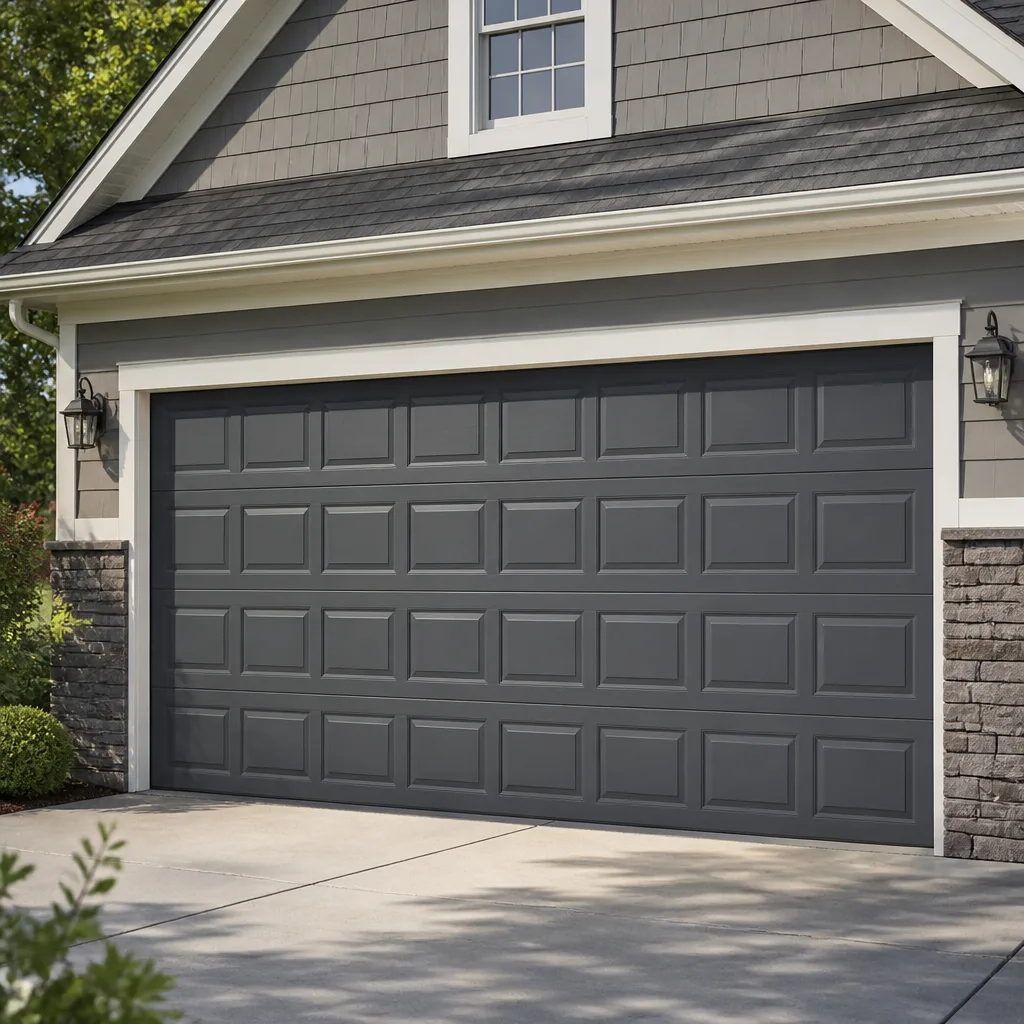 Raised-panel steel
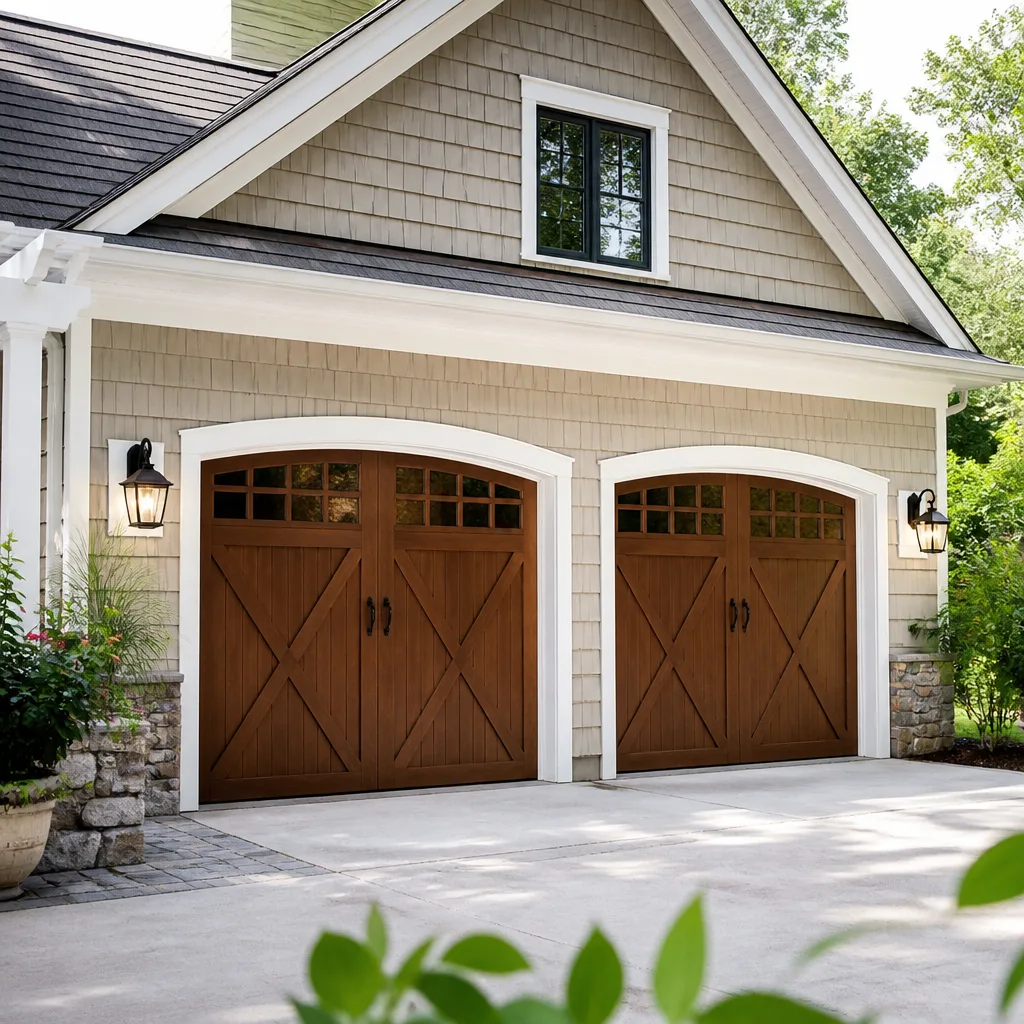 Carriage house
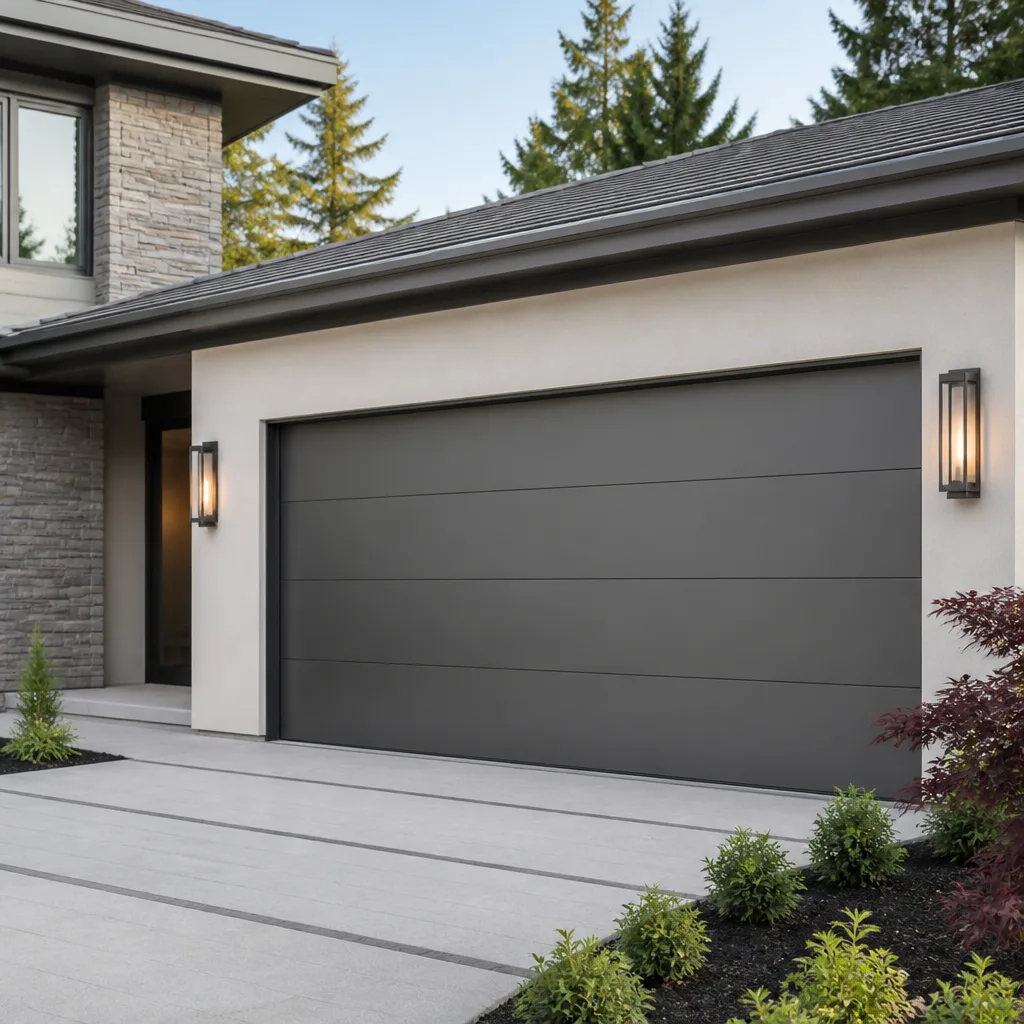 Modern flush
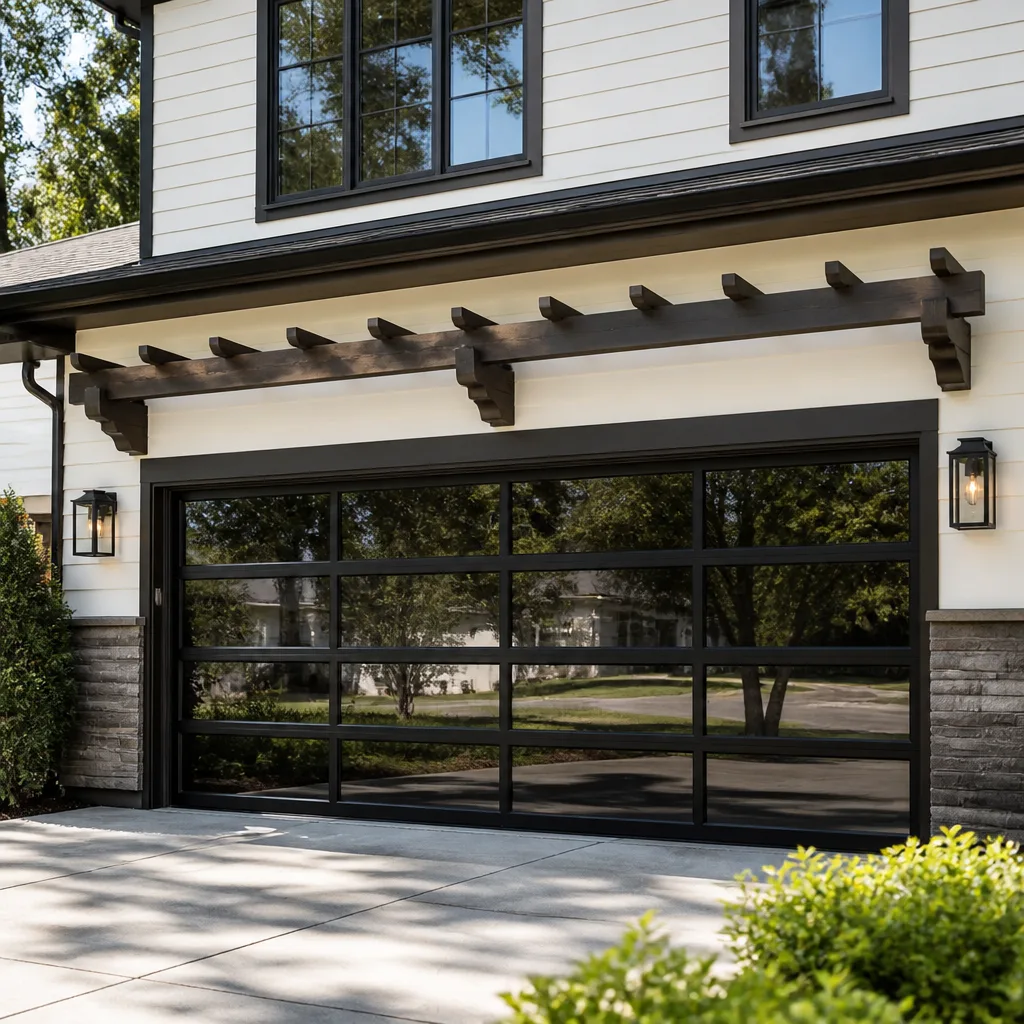 Full-view glass
 LiftMaster openers
 Chamberlain openers
Full 25-point door and opener safety check with every visit - springs, cables, rollers, tracks, and your LiftMaster or Chamberlain opener included
You get a price before we start. It does not change when the pro arrives.
Get your free estimateHow to Hire a Garage Door Contractor in San Angelo: A Step-by-Step Guide
Most homeowners hire a garage door contractor the way they hire a plumber: something breaks, they call the first name that comes up, and they hope for the best. That approach works fine for a leaky faucet. It’s the wrong way to hire someone who will be working with a torsion spring under several hundred pounds of tension, forty feet of overhead track, and the largest moving assembly in your house. The garage door market in San Angelo is small, which cuts both ways. You’ll get a real person on the phone, but the pool of operators is thin enough that the wrong hire is harder to spot. This guide walks you through the exact questions to ask, the red flags that separate a specialist from a handyman with a spring winder, and what a fair written estimate looks like before anyone touches your door.
Quick Answer
To hire a garage door contractor in San Angelo, verify three things before you book: that they carry general liability insurance and can produce a certificate, that they work on the brand already on your door rather than steering you to one they prefer to install, and that they give you a written estimate with itemized parts and labor before work begins. Ask what happens if the diagnosis changes mid-job, and get the labor warranty in writing. A dedicated garage door specialist will answer all of that without hesitation. A generalist usually can’t.
Styles & brands we work with
- Raised-panel steel
- Carriage house
- Modern flush
- Full-view glass
- LiftMaster openers
- Chamberlain openers
Table of Contents
- Why a Garage Door Specialist Isn’t the Same as a Handyman
- The Insurance and Licensing Questions to Ask Before Anyone Touches a Spring
- Red Flags Specific to Small-Market Contractors
- How to Tell If a Contractor Is Brand-Agnostic or Quietly Steering You
- What a Legitimate Estimate Should Include
- The Step-by-Step Vetting Process
- Why Parts Sourcing Matters More in a Smaller Market
- Questions to Ask on the Phone Before You Book
Why a Garage Door Specialist Isn’t the Same as a Handyman
A handyman who “does garage doors” and a dedicated garage door technician are in different risk categories, and the difference matters most when something goes wrong. Generalist handymen handle a wide range of small repairs. Garage door work is one item on a long list for them. A specialist does one trade, every working day, which means their pattern recognition is sharper and their parts knowledge is deeper. When a door binds halfway up, the specialist has seen that exact symptom on that exact brand many times. The generalist is guessing.
There’s also a structural difference in how each one sources parts. A handyman buys whatever the local supply house stocks. A dedicated technician knows which brands use proprietary hardware, which rollers are interchangeable, and which spring gauges match a given door weight. That’s not a small distinction in San Angelo, where the nearest large parts distributor isn’t around the corner. A mismatched part means a second visit, and a second visit means your car sits in the driveway for another week.
Here’s the practical test. Ask the person on the phone what brand of door they think is on your house based on your description, and then ask what spring they’d expect to find. A specialist will name a gauge range and a wire size. A generalist will say they’ll figure it out when they arrive. You can learn more about what focused garage door repair actually involves on our service page, but the phone test alone will tell you most of what you need to know.
One more thing: your garage door is the largest moving part of your home, and it operates on high-tension springs and cables that can cause serious injury when handled without the right tools and training. That’s not a reason to panic. It’s a reason to hire someone who does this every day rather than someone who watched a video once.
The Insurance and Licensing Questions to Ask Before Anyone Touches a Spring
This is the section most homeowners skip, and it’s the one that matters most. Garage door torsion springs and extension springs store enormous energy. A spring that lets go during a repair, or a cable that snaps under load, can injure the person working on it and damage whatever is beneath it. Before you let anyone near your springs, confirm they’re covered.
Ask these five questions, in this order:
- “Are you insured, and can you send me a certificate of insurance?” General liability coverage is the baseline. A legitimate operator will send a certificate without fuss. If they deflect or say “we’ve never had a claim,” that’s your answer.
- “Are you bonded?” Bonding matters for any contractor who takes a deposit or works inside your home. Insured and bonded is the standard, not a bonus.
- “Who actually performs the work?” Some outfits are brokers who subcontract to whoever is available. Ask directly whether the person arriving is their technician or a third party.
- “What’s your labor warranty, in writing?” Parts warranties come from the manufacturer. Labor warranties come from the contractor. Get the labor term in writing before work starts.
- “What happens if the diagnosis changes once you’re on site?” A good answer describes a conversation and a revised written price. A bad answer is “we’ll sort it out.”
Texas doesn’t require a statewide garage door contractor license the way some trades are regulated, so licensing questions often come back to local registration and insurance. Ask your city’s building department whether a permit is needed for the scope of your job. That one phone call catches more problems than any online review.
Red Flags Specific to Small-Market Contractors
Big-city problems look different from small-market problems. In a thin market, the worst operators aren’t fly-by-night companies that vanish overnight. They’re established enough to have a phone number and a truck, which makes them harder to screen. Watch for these signals.
- Vague parts sourcing. “We’ll get the part” tells you nothing. A real answer names the part and where it’s coming from. If they can’t tell you whether the spring is on hand or needs ordering, you don’t know if your door is fixed this week or next month.
- Cash-only pricing with no paper trail. Cash isn’t automatically a problem, but cash with no written estimate and no receipt is. You have no recourse if the spring fails in a month.
- No written warranty on labor. Manufacturer warranties on parts are standard. Labor is on the contractor. If they won’t put a labor term in writing, assume there isn’t one.
- Pressure to replace the whole door. A snapped spring, a bent track, or a failed opener motor are all repairable in most cases. If the first recommendation is a full replacement with no diagnosis, get a second opinion.
- No fixed business address or verifiable presence. You don’t need a showroom, but you should be able to confirm the business exists as more than a phone number.
- Reluctance to name brands. If a contractor can’t tell you which brands they work on, they probably work on one.
In our experience across San Angelo, the operators worth hiring are the ones who answer these questions plainly on the first call. Hesitation is information.
How to Tell If a Contractor Is Brand-Agnostic or Quietly Steering You
Here’s a pattern that costs homeowners money and nobody talks about: a contractor who only installs one manufacturer’s doors will find a reason your existing door needs replacing. That’s not malice, exactly. It’s incentive. If the only door they can sell is Brand X, then Brand X becomes the answer to every problem, including problems Brand X has nothing to do with.
The alternative is a brand-agnostic approach. That means the recommendation is based on the door already on your house, its condition, and your budget, not on which product line the company profits from most. The brands installed on most homes in San Angelo are a mix: Clopay and Amarr steel doors, Wayne Dalton models, older Raynor units still running fine, and openers from LiftMaster, Chamberlain, Genie, and Craftsman. A specialist should be comfortable across that whole spread.
Test it with one question: “What brand is on my door, and would you recommend repairing it or replacing it?” Then listen for whether the answer starts with the condition of your door or with a product name. If the first sentence is a brand pitch, you’ve learned what you needed to know.
Brand familiarity isn’t cosmetic, either. When a technician knows the compatibility requirements and manufacturer specs for a given line, they source the right component the first time. That reduces callbacks and mismatched parts, which is the difference between a one-visit fix and a three-week parts saga. Opener issues are their own specialty, separate from door mechanics, and we cover that specifically in our page on garage door opener repair.
What a Legitimate Estimate Should Include
A written estimate is your protection. Not a verbal number, not a text message with a range, a written document you can hold up if the invoice doesn’t match. Here’s what should be on it.
Line items to expect:
- Parts, named specifically (spring gauge and wire size, roller type, hinge, cable, opener model if relevant)
- Labor, as a separate line
- Total price, as a firm number for the scope described
- What’s included in the labor warranty
- What happens if additional problems are found once work begins
Line items that signal upselling:
- Bundled “tune-up packages” added to a repair without discussion
- Full-door replacement quoted before any diagnosis
- Charges for “inspection” folded into a repair quote you didn’t request
- Vague line items like “misc. hardware” with no detail
- Any price that changes between the phone quote and the written estimate with no explanation
The price should be quoted and agreed before any work starts. That’s the standard we hold to, and it’s the standard you should expect from anyone you hire in San Angelo. If a contractor won’t put a number in writing before they start, you have no way to know what the invoice will say. A free estimate should cost you nothing and commit you to nothing.
One caveat on timing: repair work can often be scheduled quickly, but installation and full replacement involve measuring, ordering, and a scheduled install date. If a contractor promises same-day installation on a new door, they’re either installing something already on a shelf or they’re not being straight with you.
The Step-by-Step Vetting Process
Here’s the sequence that works. Run it in order and you’ll eliminate most of the bad options before anyone gets near your door.
- Describe the symptom, not the solution. Tell them what the door is doing. A good technician diagnoses from the symptom. A bad one takes your guess and quotes it.
- Ask what brand they think you have and what parts they’d expect to need. Specificity is your filter.
- Request proof of insurance and bonding. Ask for the certificate. Give them a few hours to send it.
- Ask about labor warranty in writing. Parts warranties come from the manufacturer. Labor is on them.
- Get a written estimate before work starts. Confirm what happens if the diagnosis changes mid-job.
- Confirm who’s arriving. Their technician or a subcontractor? Both are legal, but you deserve to know which.
- Ask about parts availability. On hand or ordered? This sets your realistic timeline.
- Read the estimate against the phone conversation. If the number changed, ask why before you agree.
If a contractor sails through all eight, you’ve found a specialist. If they stall on two or three, move on. There’s no shortage of operators willing to take the job. There’s a shortage of ones who will do it right.
Why Parts Sourcing Matters More in a Smaller Market
In a dense metro, a missing part means a drive across town and a same-day fix. In San Angelo, a missing part can mean a week. That’s the practical reality of a thinner supplier network, and it changes how you should evaluate a contractor.
The questions to ask before booking:
- Is the part in stock or does it need to be ordered?
- If ordered, how long, and do you have a firm date?
- If the part doesn’t fit, what’s the plan?
- Do you carry common springs and rollers as standard, or order per job?
A technician who knows their brands can usually tell you over the phone what’s likely to be needed and whether it’s available. That’s brand-specific parts knowledge doing visible work: fewer surprises, fewer visits, no incompatible components installed because that was all that was on the shelf. When a spring is matched to the wrong wire gauge for the door weight, the door operates unevenly and the spring wears out early. The right part isn’t a luxury.
This is the practical argument for hiring someone who works on the brand you already have. They’re not learning your door’s specifications on your time. They’ve worked on LiftMaster operators and Chamberlain remotes and Craftsman keypads before, and they know what fits what.
Questions to Ask on the Phone Before You Book
You can screen a contractor in under five minutes with the right questions. Here’s the list.
- “What brands do you work on?” A specialist names several. A one-brand shop hesitates.
- “Are you insured and bonded, and can you send proof?” The certificate should arrive without a fight.
- “Do you give a written estimate before work starts?” The answer should be yes, without qualification.
- “What’s your labor warranty?” In writing, on the estimate.
- “Who performs the work?” Their technician or a subcontractor.
- “What happens if the diagnosis changes on site?” Expect a revised written price, not a verbal bump.
- “Is the part I need likely in stock?” Sets your expectations on timing.
- “Are you able to do repair, opener work, and installation, or only some of those?” A focused specialist covers all three. A one-trick operator doesn’t.
Notice none of these questions are about price. Price matters, but it’s meaningless without the answers above, because the cheapest quote from an uninsured generalist is the most expensive option on the board when something goes wrong. The reason is simple: a fair estimate from an insured specialist gives you recourse. A cash price from a handyman gives you nothing.
Common Mistakes to Avoid
- Hiring on price alone. The lowest quote in San Angelo often comes from someone without coverage. If there’s no insurance and no written warranty, the savings disappear the moment something breaks.
- Letting a handyman touch a torsion spring. A spring under load can cause serious injury if it lets go. This is skilled trade work, not general maintenance.
- Accepting a verbal quote. Nothing protects you without paper. Ask for the written estimate and compare it line by line to what you discussed on the phone.
- Assuming a new door is the only fix. A bent track, a failed spring, or a dead opener motor are repairable in most cases. Get a diagnosis before a replacement.
- Not asking about parts availability. In San Angelo, a missing part can mean a week without your garage. Ask before you book.
- Skipping the insurance question. Ask for the certificate. A legitimate contractor sends it without argument.
- Ignoring brand compatibility. If a contractor only works on one manufacturer’s equipment, their recommendation may reflect their product line rather than your door.
See the difference
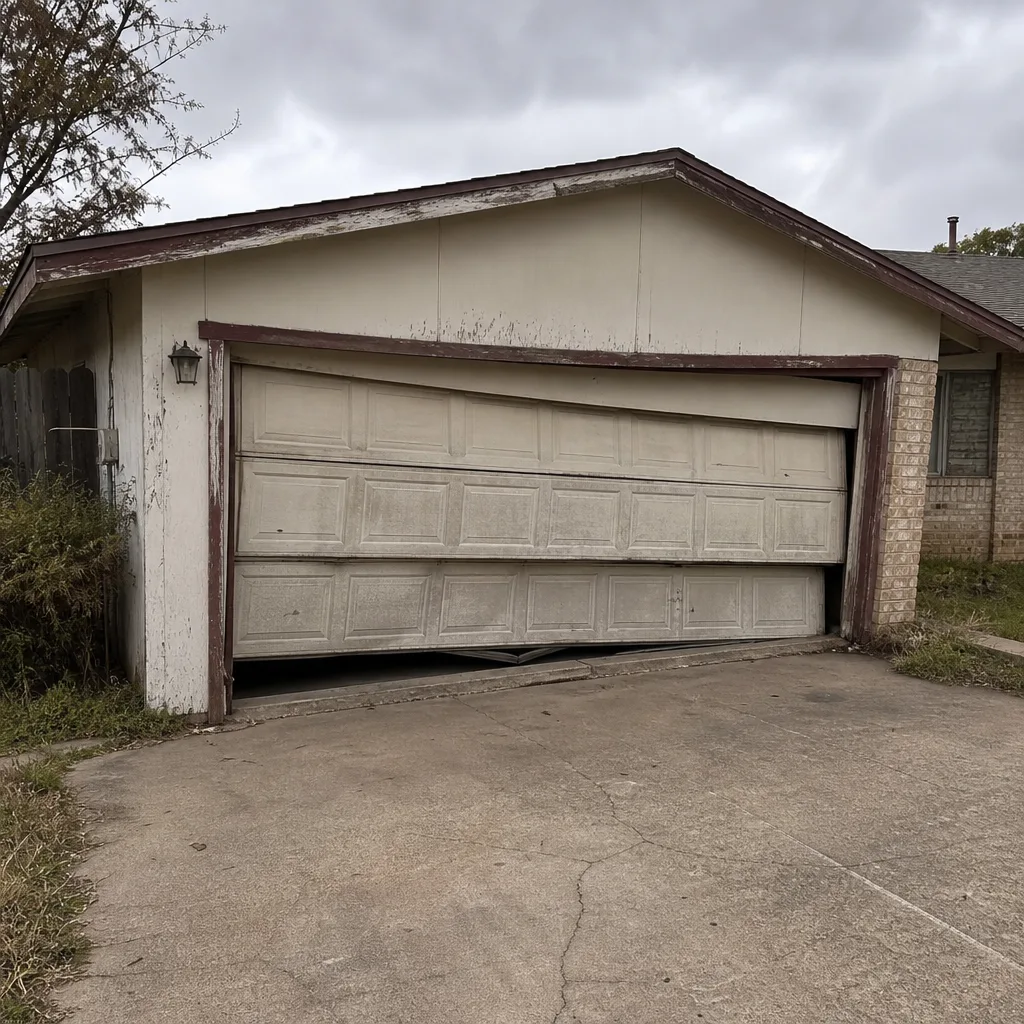 Before
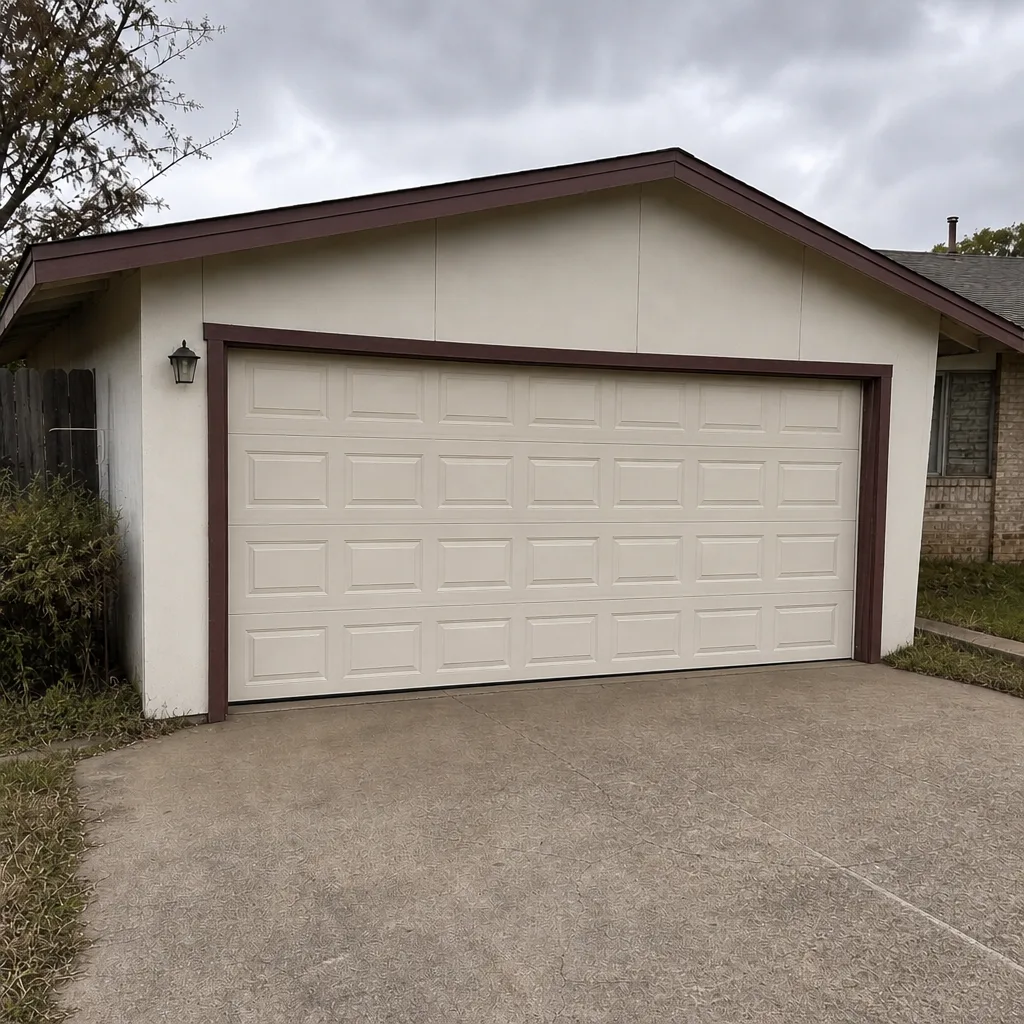 After
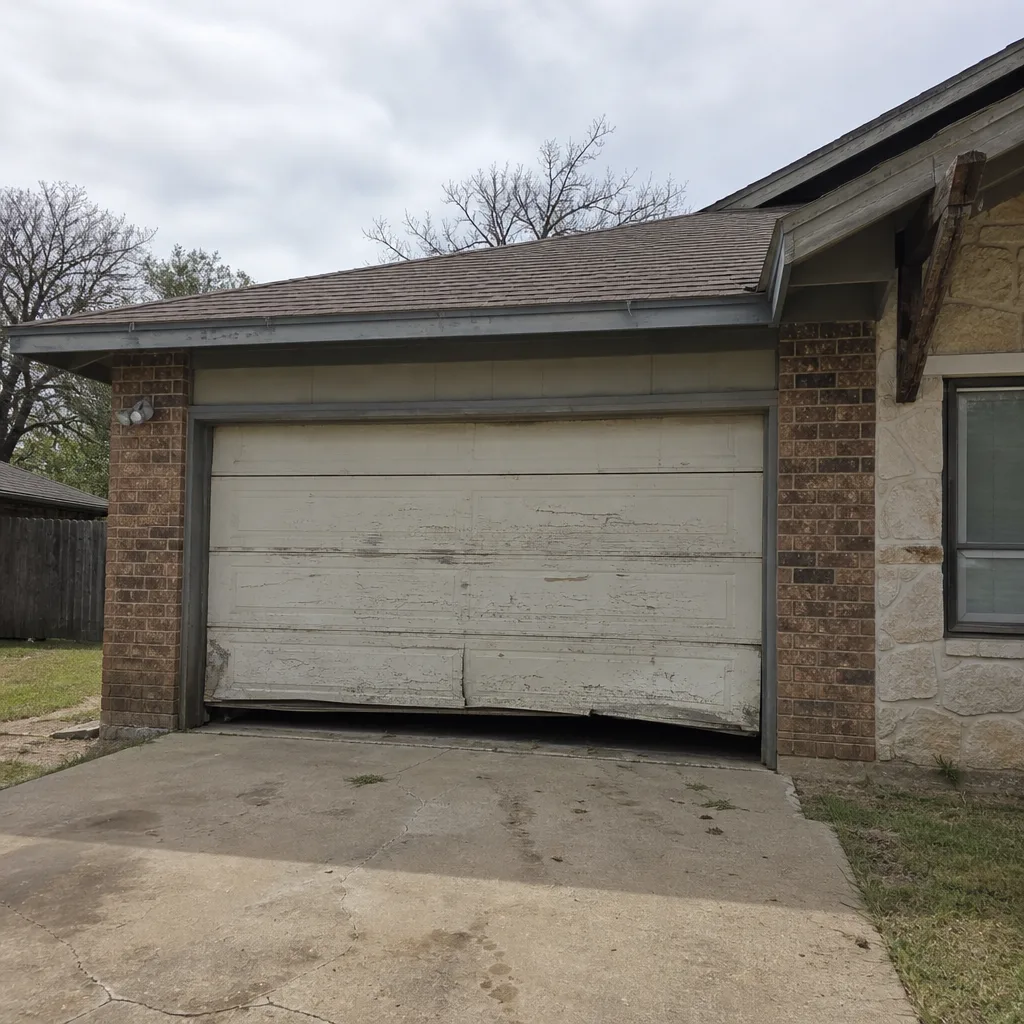 Before
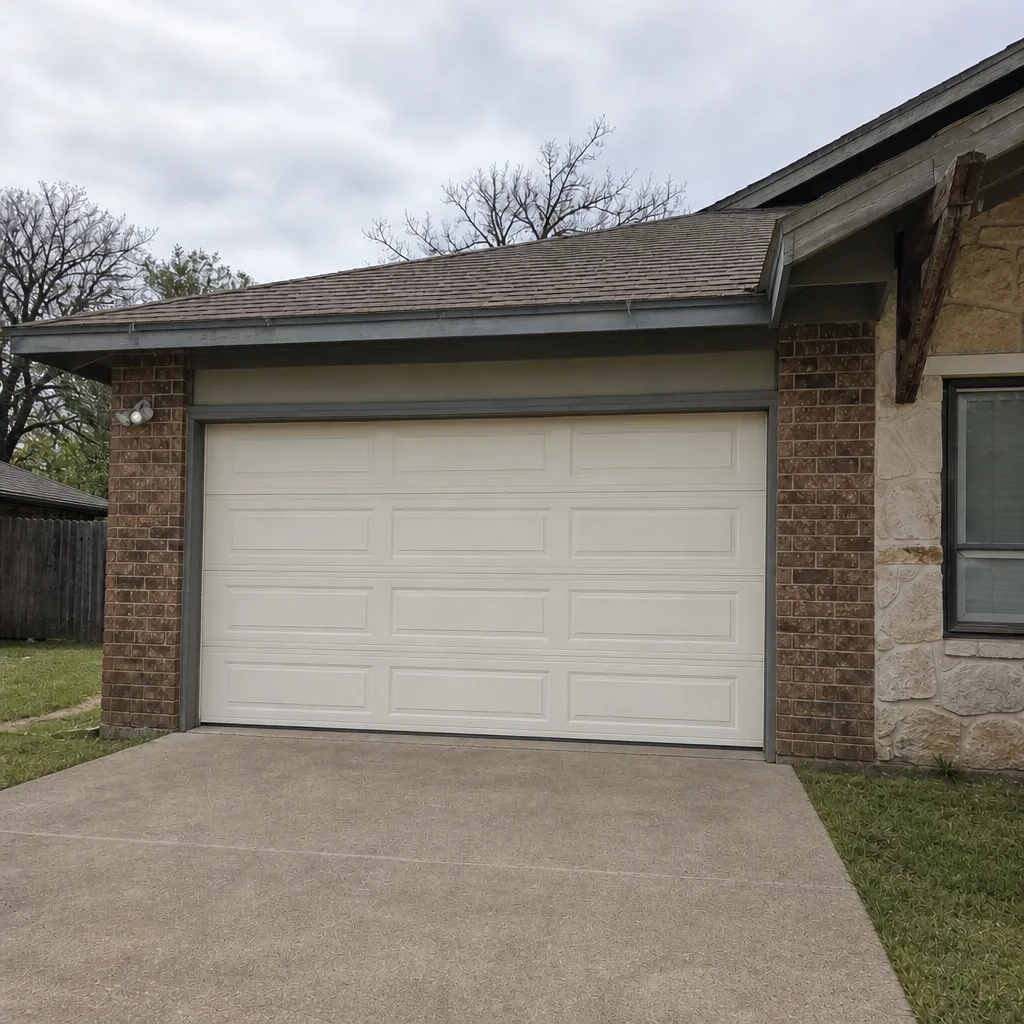 After
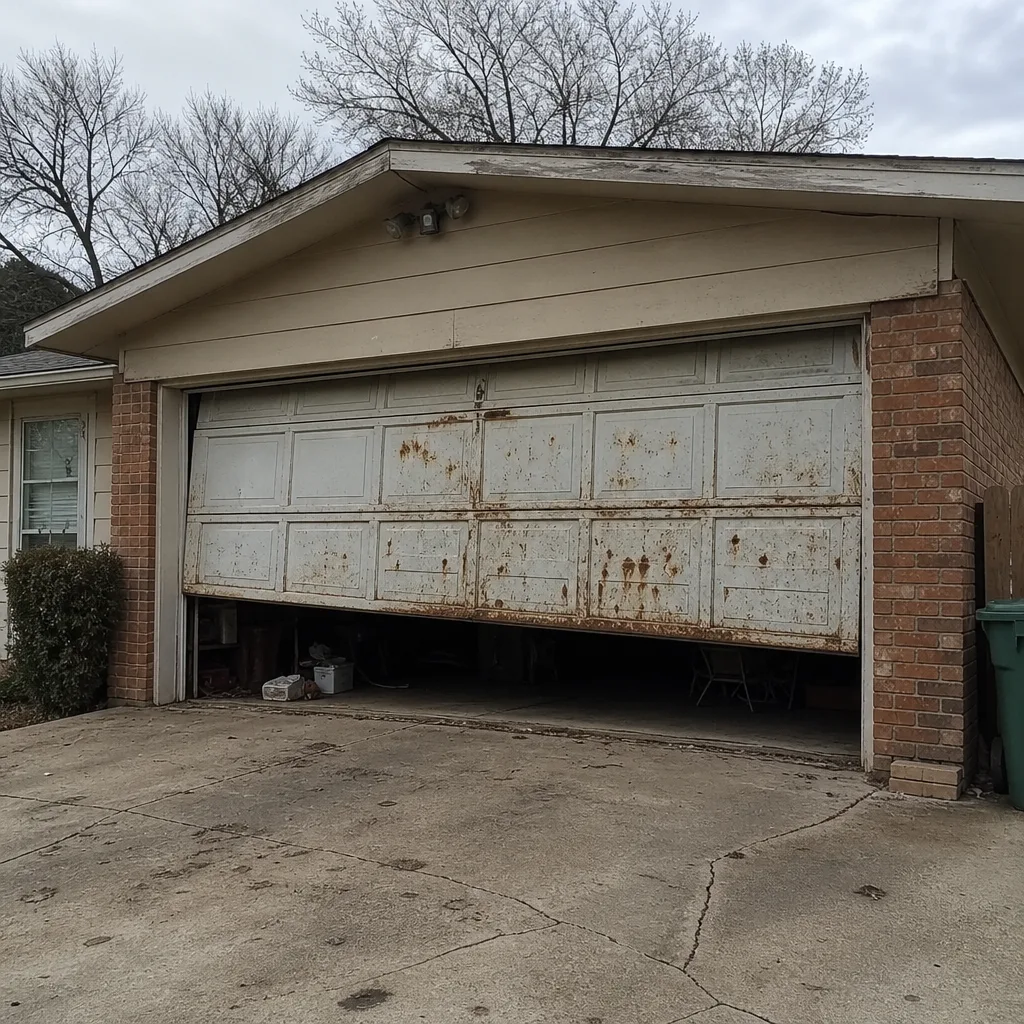 Before
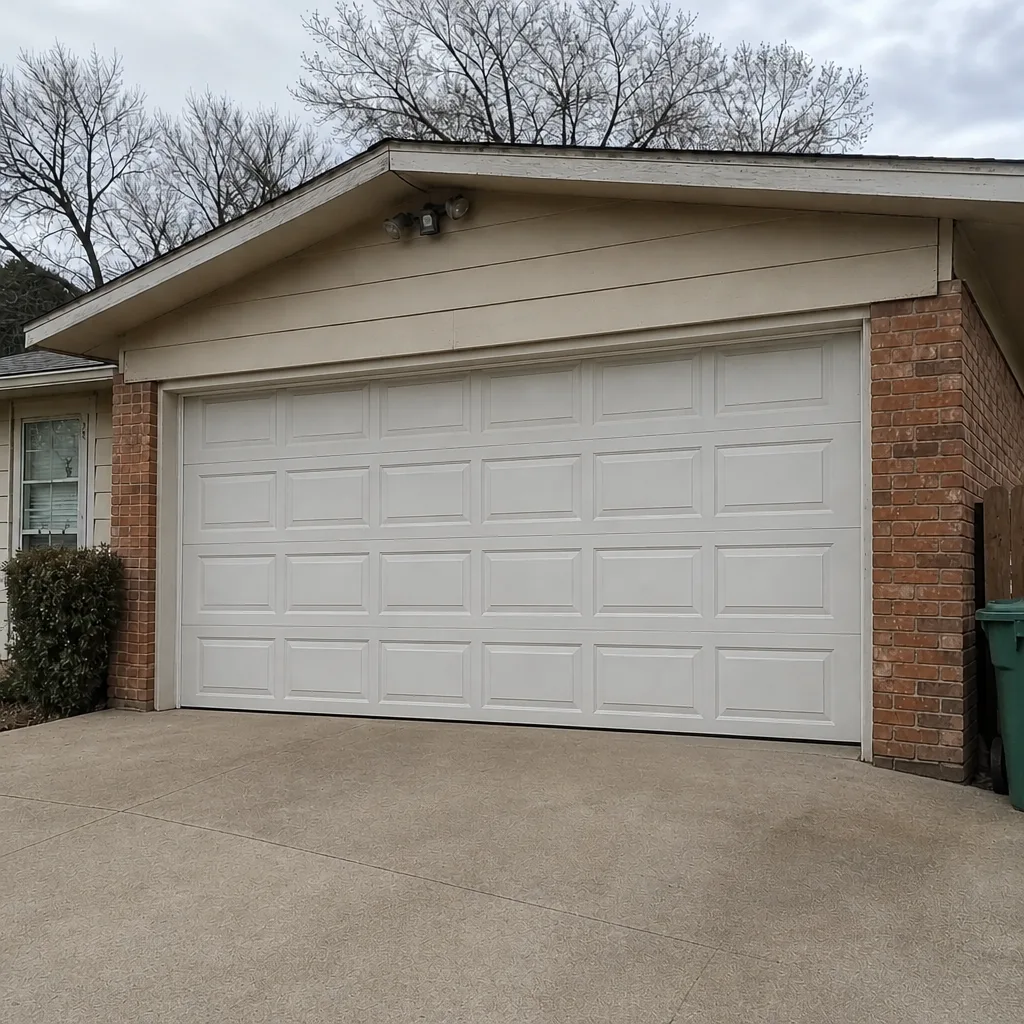 After
When to Call a Professional
Some garage door issues resolve on their own. Most don’t. Call a professional when the door reverses before it reaches the floor, when it opens unevenly or the panel racks to one side, when the opener runs but the door doesn’t move, or when you hear a snap from the spring area and the door suddenly feels impossibly heavy. Don’t try to lift a door with a broken spring. That’s the point where the danger is real and the professional is genuinely necessary. The same applies to any work inside the opener housing or a circuit panel: high-voltage wiring isn’t a homeowner job.
Ramsey Garage Door Repair offers free estimates in San Angelo, and our technicians have up to 14 years of experience. Call (833) 486-5004. We answer 24/7. Fast dispatch from 7am to 7pm, Sunday through Friday.
Frequently Asked Questions
Garage door repair in San Angelo depends on what’s wrong and what parts are needed. A spring replacement, a cable, a roller set, a track adjustment, and an opener motor repair are each priced differently. There’s no flat rate that covers all of them. What you should expect is a free written estimate with itemized parts and labor before any work starts, with the price agreed before the technician begins. Call (833) 486-5004 for an exact quote. Estimates are free.
Texas doesn’t require a statewide license for garage door contractors the way some trades are regulated. What matters is insurance, bonding, and whether the operator can produce a certificate of coverage on request. Ask your city’s building department whether a permit applies to your specific job. Then ask the contractor for proof of insurance before anyone touches a spring. If they can’t produce it, keep calling.
A dedicated garage door specialist will diagnose first and quote a repair if the door is repairable. Most problems, from a snapped spring to a misaligned track to a failed opener, are fixable without replacement. The warning sign is a replacement quote that arrives before any diagnosis. Get the diagnosis in writing, then decide. If you want a second opinion, call (833) 486-5004 and we’ll assess what’s actually needed. Estimates are free.
If the opener’s motor runs and the door doesn’t move, the problem is usually mechanical: spring, cable, or track. If the door moves freely by hand (carefully, with the opener disengaged) but the motor won’t run, the problem is the opener. If the door moves hard by hand with the opener disengaged, do not operate it further. A trained technician should assess it. Opener issues are their own specialty, and they’re diagnosed differently from door mechanics.
A legitimate written estimate in San Angelo should name the specific parts, list labor separately, give a firm total for the scope described, and state the labor warranty in writing. It should also state what happens if additional problems are found once work begins. Line items that should raise a flag include vague “misc. hardware” charges, bundled tune-up packages added without discussion, and full-door replacement quoted before a diagnosis. The price should be agreed before any work starts.
Same-day repair is often possible, depending on parts availability. Call (833) 486-5004 and describe the symptom. We answer 24/7. Fast dispatch from 7am to 7pm, Sunday through Friday. A call outside dispatch hours is booked into the next opening. New door installation is different: it involves measuring, ordering, and a scheduled install, so it’s never a same-day service. Installation is planned and priced in writing instead.
The Bottom Line
Hiring a garage door contractor in San Angelo comes down to four things: insurance and bonding you can verify, a brand-agnostic approach that fits the door you already have, a written estimate with itemized parts and labor, and a labor warranty in writing. Everything else, from phone manner to reviews, is secondary. If you run the eight-question vetting process above and confirm the estimate before work starts, you’ll avoid the operators who rely on homeowners not knowing what to ask. A garage door is the largest moving part of your home. Treat the hiring decision with the same care you’d give the door itself.
Ramsey Garage Door Repair handles repair, opener repair, and installation, and we work on the brand you already have – Clopay, Amarr, Wayne Dalton, Raynor, LiftMaster, Chamberlain, Genie, and Craftsman included. If you’re in San Angelo and need a straight answer about your door, call (833) 486-5004 for a free estimate. We answer 24/7. Fast dispatch from 7am to 7pm, Sunday through Friday. You can also read more about Ramsey Garage Door Repair and what we cover before you call.
Written by the team at Ramsey Garage Door Repair.