
Last updated November 15, 2026
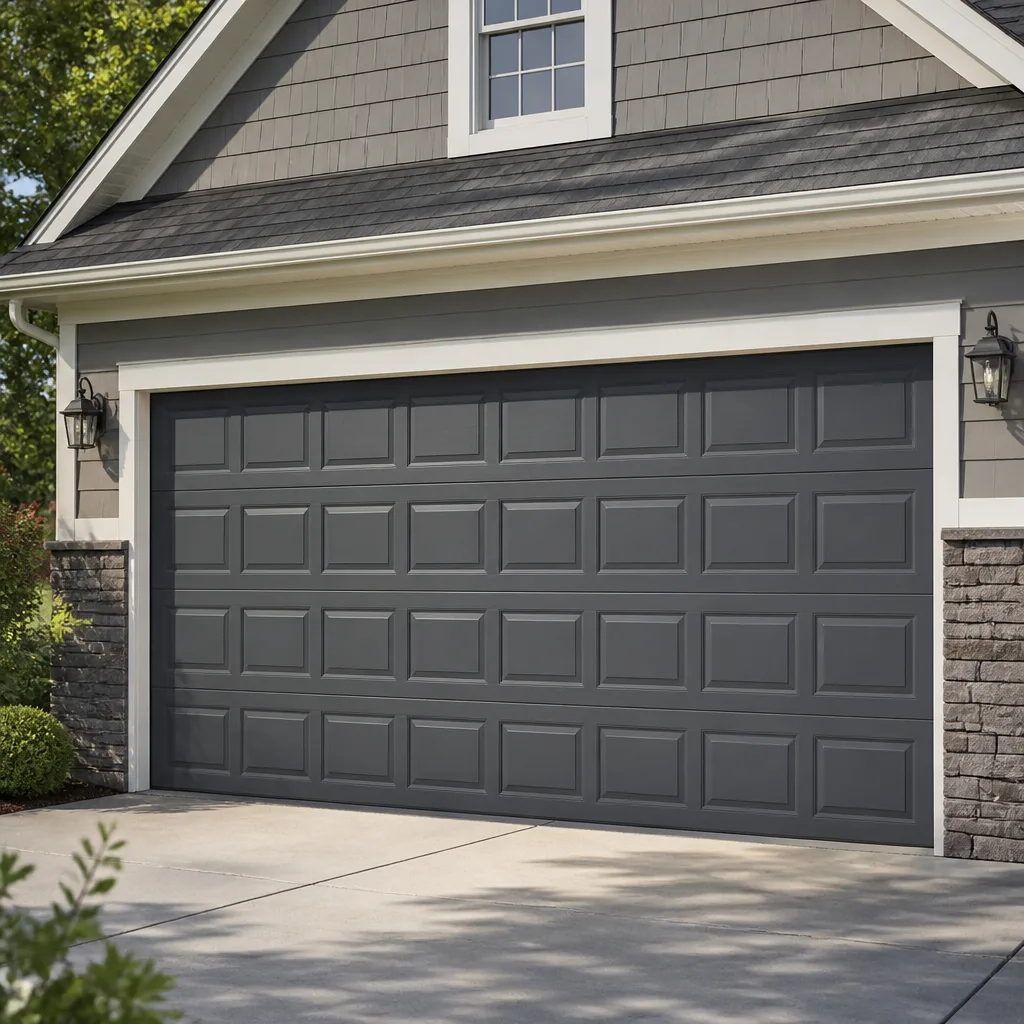 Raised-panel steel
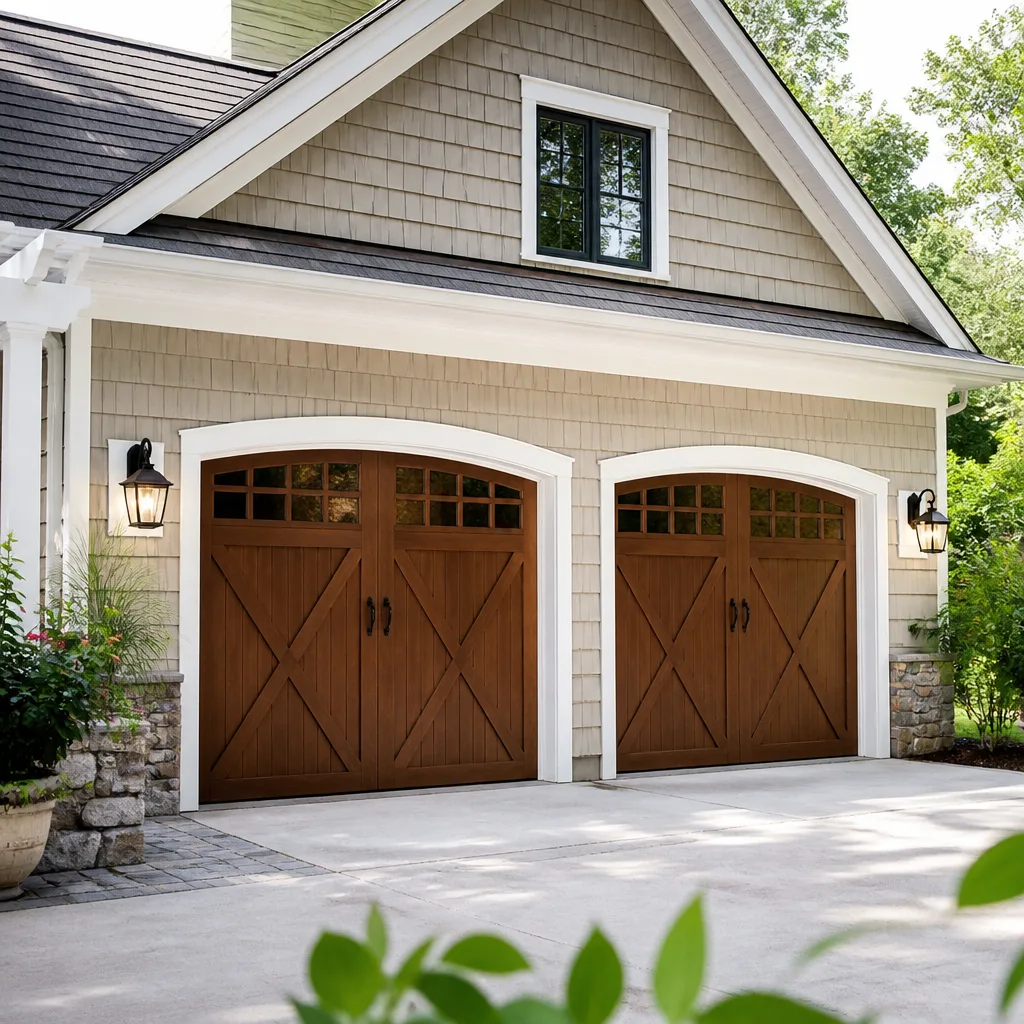 Carriage house
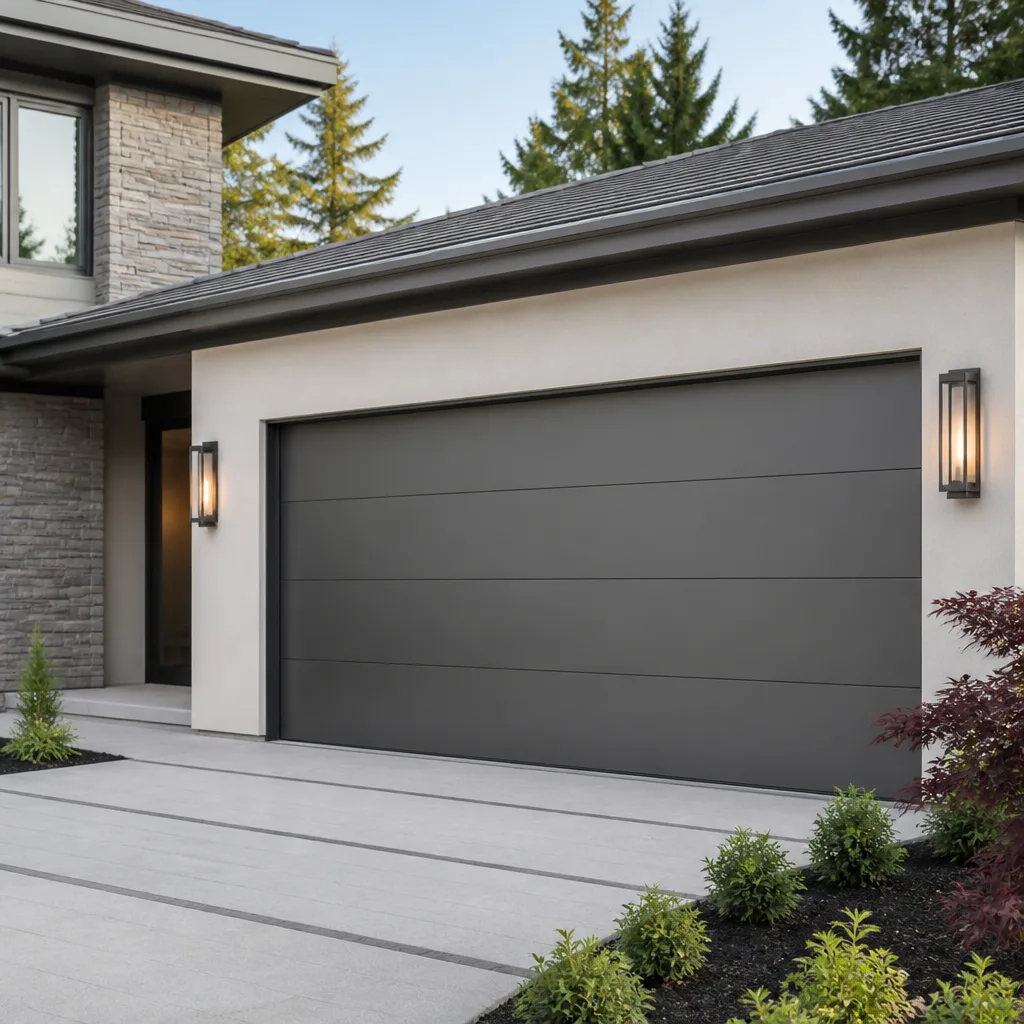 Modern flush
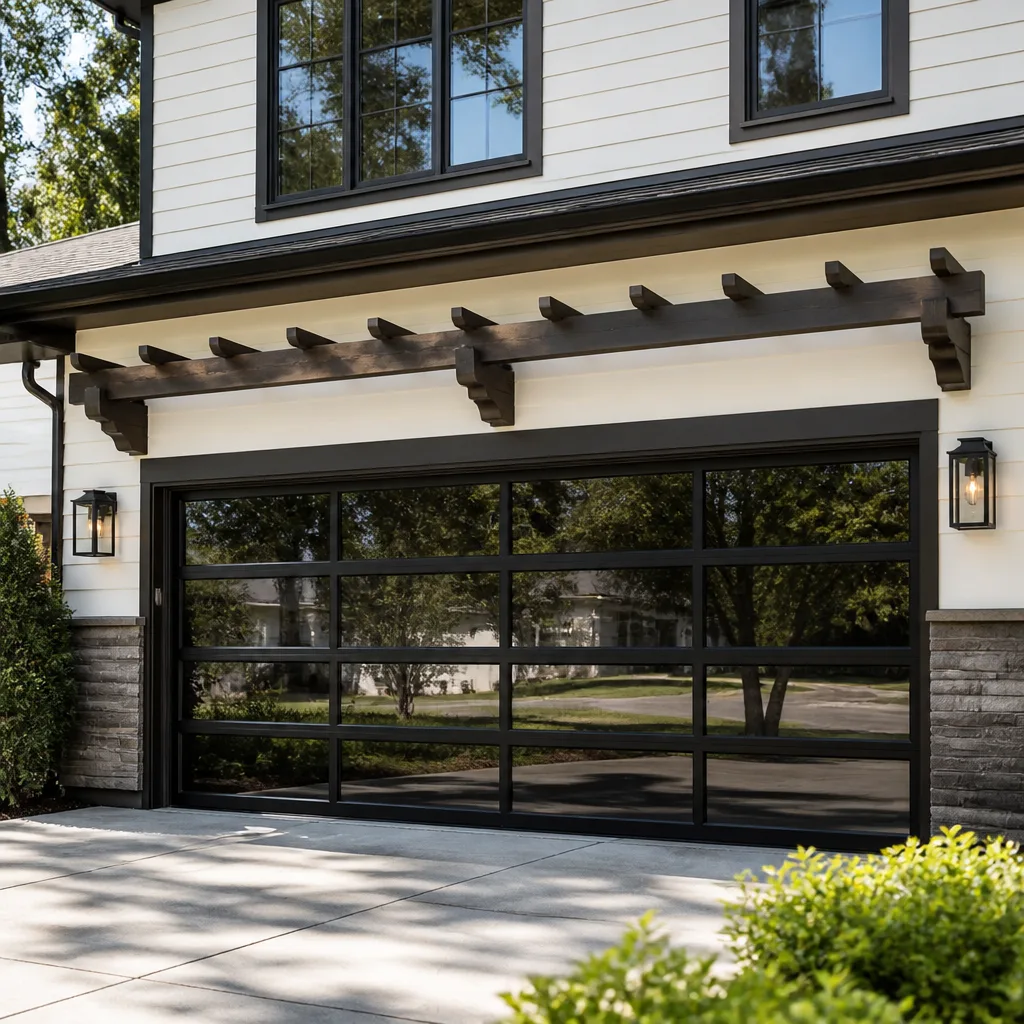 Full-view glass
 LiftMaster openers
 Chamberlain openers
Full 25-point door and opener safety check with every visit - springs, cables, rollers, tracks, and your LiftMaster or Chamberlain opener included
You get a price before we start. It does not change when the pro arrives.
Get your free estimateGarage Door Warning Signs: A San Angelo Homeowner’s Reference Guide
A garage door that’s about to drop a torsion spring makes a very specific sound. So does one that’s about to strip a gear in the opener. They don’t sound the same, and knowing the difference could keep you from being stranded outside your own home. Most lists of warning signs stop at “unusual noises,” which tells you nothing you can act on. This guide names the actual sounds, the specific visual cues, and the opener behaviors that matter, ranked by how urgent each one is. You’ll learn what you can watch for weeks and what means stopping the door today. If you live in San Angelo, the local heat, humidity swings, and spring dust each leave their own signature on a failing door, and we’ll show you where to look.
Quick Answer
The most serious garage door warning signs are a loud bang followed by a door that won’t lift, a door that closes unevenly or reverses on its own, and visible gaps or bends in the tracks or panels. These three mean stop using the door and get it looked at. Slower signs, like grinding, squealing, rust streaks on springs, or an opener that hesitates before reversing, usually give you days or weeks to schedule a repair before something fails outright.
Styles & brands we work with
- Raised-panel steel
- Carriage house
- Modern flush
- Full-view glass
- LiftMaster openers
- Chamberlain openers
Table of Contents
- What the Sounds Tell You: A Sound-by-Sound Breakdown
- Visual Warning Signs Unique to San Angelo Conditions
- Behavioral Warning Signs in Your Opener
- What Needs a Repair Soon vs. What Means Stop Using the Door
- The 60-Second Inspection That Catches Most Problems Early
- When to Call a Professional
What the Sounds Tell You: A Sound-by-Sound Breakdown
Sound is the earliest and cheapest warning a garage door gives you. The trick is that different noises come from different parts of the system, and each one points you at a specific failure. A grinding noise that shows up only while the door is moving usually comes from the rollers, the hinges, or the tracks, not the springs or the opener. A popping or snapping sound is typically the torsion spring or a cable under load, and it’s the one to treat as serious. A squeal or squeak is friction: dry rollers, dry hinges, or a dry bearing plate. A rattle is often loose hardware, and a low hum from the opener with no movement at all means the motor is running but the drive isn’t engaging the door.
Here’s how to read the common sounds, ranked by what they usually mean:
- Grinding while moving: worn rollers, a bent track, or a hinge that has pulled loose. Usually fixable with hardware, not a full replacement.
- Popping or snapping, especially one loud pop: torsion spring or cable failure. Stop using the door.
- Squealing or high-pitched squeak: metal-on-metal friction. Lubrication or a bearing replacement, depending on where it comes from.
- Rattling: loose bolts, a sagging hinge, or a panel that has worked loose. Worth tightening and checking before it turns into a bigger problem.
- Humming with no movement: the opener motor runs but the door doesn’t respond. That’s an opener issue, not a door-mechanical issue, and it’s a separate diagnostic.
In our experience, the homeowners who call in San Angelo because of a sound are almost always right that something’s wrong, even if they’re wrong about what it is. Diagnosing a Wayne Dalton door and a Craftsman opener through the same three service lines, we can tell the difference in the first minute or two. That’s the practical value of knowing the brand you already have. If you’re not sure whether the noise you’re hearing is serious, a quick garage door repair inspection can settle it before you make a bad situation worse.
Visual Warning Signs Unique to San Angelo Conditions
Visual warning signs are the ones homeowners skip because they don’t know what they’re looking at. In San Angelo, the climate leaves a specific signature on a failing door that you won’t see in a milder place. The wide swings between a hot afternoon and a cool morning work the door’s metal and springs through constant expansion and contraction, and that cycling is what quietly wears out the parts that matter most.
Two visual cues are worth learning:
- Rust streaks on the torsion springs. A thin, orange-brown line along the coil is the spring telling you it’s fatigued. Humidity swings here accelerate that, and a rusted spring is closer to failure than a clean one. This is a single-spring warning: a matched pair usually fails together, so both are usually replaced at the same time.
- UV-bleached or chalky panels. When the surface coating of a door starts to chalk and fade under intense sun, the panel’s protective layer has been compromised, and on older doors that can be a sign the structural integrity of the panel has aged along with the finish. A faded panel that also flexes or creaks is worth a closer look.
Other visual signs that show up on any brand, whether it’s an Amarr, a Raynor, or something older:
- Gaps between the door and the frame when the door is fully closed.
- Bent or bowed tracks, or tracks that have pulled away from the wall.
- Loose or missing hinges and roller brackets.
- A door that sits crooked, with one side higher than the other.
- Frayed cables, which are a serious safety concern and never a weekend project.
Do a visual pass from inside the garage every few months. If you see rust on a spring or a bent track, that’s the moment to book a San Angelo service call, not after the door fails.
Behavioral Warning Signs in Your Opener
Opener problems are their own specialty, separate from door-mechanical repair. The motor, the remotes, the keypads, and any smart-home connection all fail in ways that don’t look like a door problem at first. Slow movement, a hesitation before reversing, and an opener that works sometimes and not other times each point to a different cause, and identifying which one you have saves everyone time.
Here are the opener behaviors to watch, and what each typically signals:
- Slow, labored movement: the opener is working harder than it should, often because the door’s balance has drifted, not because the motor is dying. A door that’s out of balance puts the strain on the opener.
- Hesitation or a delay before reversing: the safety reverse system isn’t responding cleanly, and that’s a safety function you want working correctly.
- Intermittent failure (works sometimes, not others): a loose wire, an aging logic board, or a remote that needs re-pairing. Intermittent issues are the ones people live with longest, and they’re usually cheaper to fix than to keep dismissing.
- Remote or keypad that stops responding while the wall control still works: a remote or receiver issue, not a door problem.
- Smart-home connectivity dropping: a network or pairing issue specific to the opener’s connectivity, handled as its own repair.
Because we work on the opener brands you already have, LiftMaster, Chamberlain, Genie, and Craftsman among them, we can tell you whether a new motor is actually necessary or whether the existing unit just needs a part and a reset. That’s a garage door opener repair question first, and never a reason to replace the door.
What Needs a Repair Soon vs. What Means Stop Using the Door
Not every warning sign is an emergency, and treating them all the same either wastes money or creates real risk. The difference comes down to one question: is the failure happening to a part that holds weight? Springs and cables carry the door’s mass, so a problem with them is urgent. Rollers, hinges, and openers don’t, so those can usually wait a few days while you schedule a proper repair.
Here’s how to sort by urgency:
- Stop using the door today: a loud pop followed by a door that won’t lift, a snapped cable, a visibly bent track that the door has jumped, a door hanging crooked, or a spring that’s obviously broken.
- Repair within a few days: grinding, squealing, a door that reverses unexpectedly, slow movement, an opener that hesitates, a gap at the bottom, or a remote that works intermittently.
- Monitor and schedule: rust streaks on a spring, faded panels, minor rattle, a squeak that only shows up in cool mornings.
If your door is in the top group, leave it alone and call us. A failed torsion spring or snapped cable can let the door drop, and this is a genuinely dangerous component for anyone who isn’t trained to work it. Don’t try to lift the door by hand or to work the spring yourself. If your door is in the middle group, you’ve got time to book a repair, and it’s worth doing before the middle group becomes the top group. We’d rather fix the grinding while it’s still a hardware job than come out after the track has bent.
The 60-Second Inspection That Catches Most Problems Early
A sixty-second check from inside the garage, done about once a season, catches most developing problems before they fail. You’re not repairing anything, you’re reading the door. Keep your hands clear of the springs and cables at all times and never reach into the moving parts.
- Look up at the springs. Rust streaks, or a gap in a coil, mean the spring is fatigued or broken. Don’t touch it. Note it and call.
- Run your eyes down both tracks. Look for bends, dents, or tracks that have pulled away from the wall. A bowed track means the rollers are running off their line.
- Check the rollers and hinges. Look for cracks, worn wheels, or a hinge that’s pulled loose. Loose hardware gets worse fast.
- Look at the cables. Frayed or slack cables on either side are a stop-and-call issue.
- Close the door and check the gap. A gap at the bottom or a door that doesn’t sit level means balance or alignment.
- Watch the door for a full cycle. Note any grinding, hesitation, or uneven sound. That’s your diagnostic clue.
Write down what you find, but resist the urge to fix anything that’s under tension. The parts that hold the door up are the ones that can hurt someone who isn’t trained. The point of the inspection is to make a better call, not to make a repair. When something looks off, a quick chat with a specialist is free, and it tells you whether you’re looking at a repair or just normal wear.
See the difference
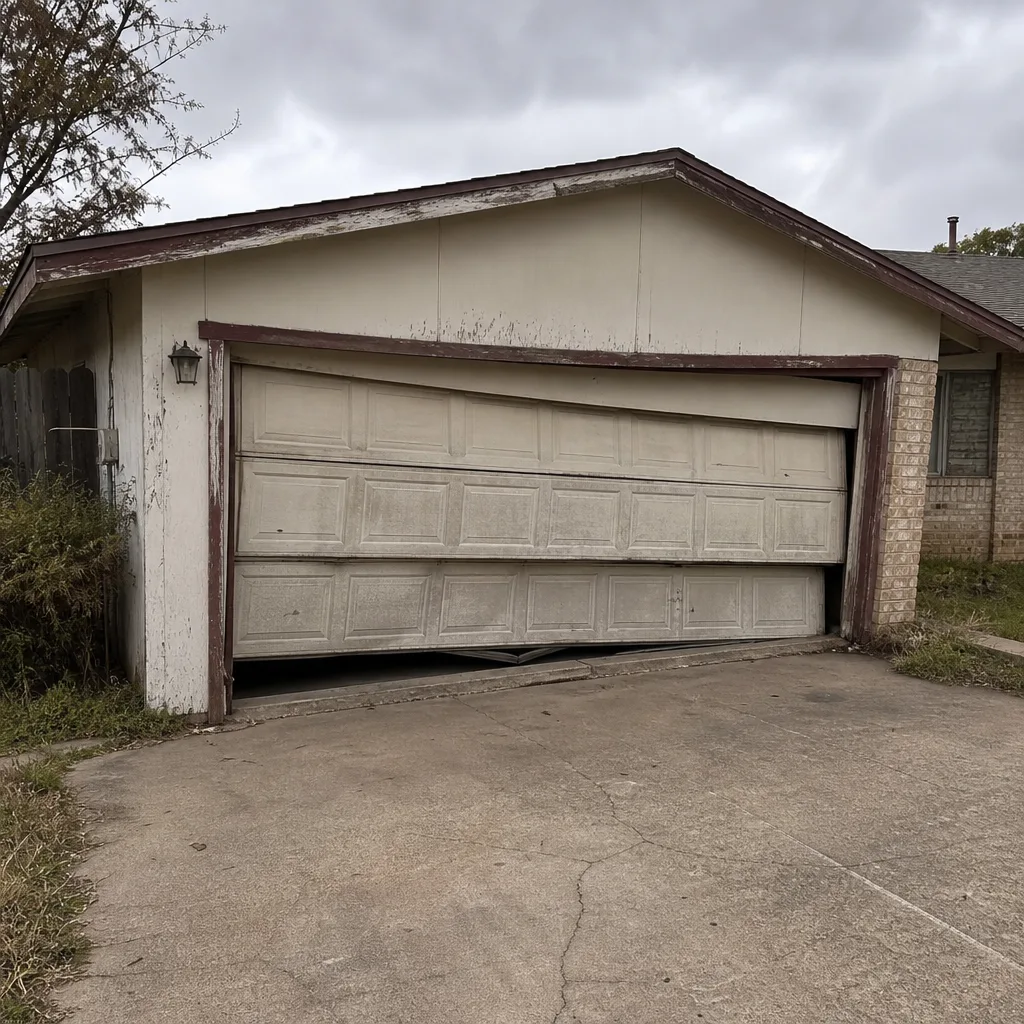 Before
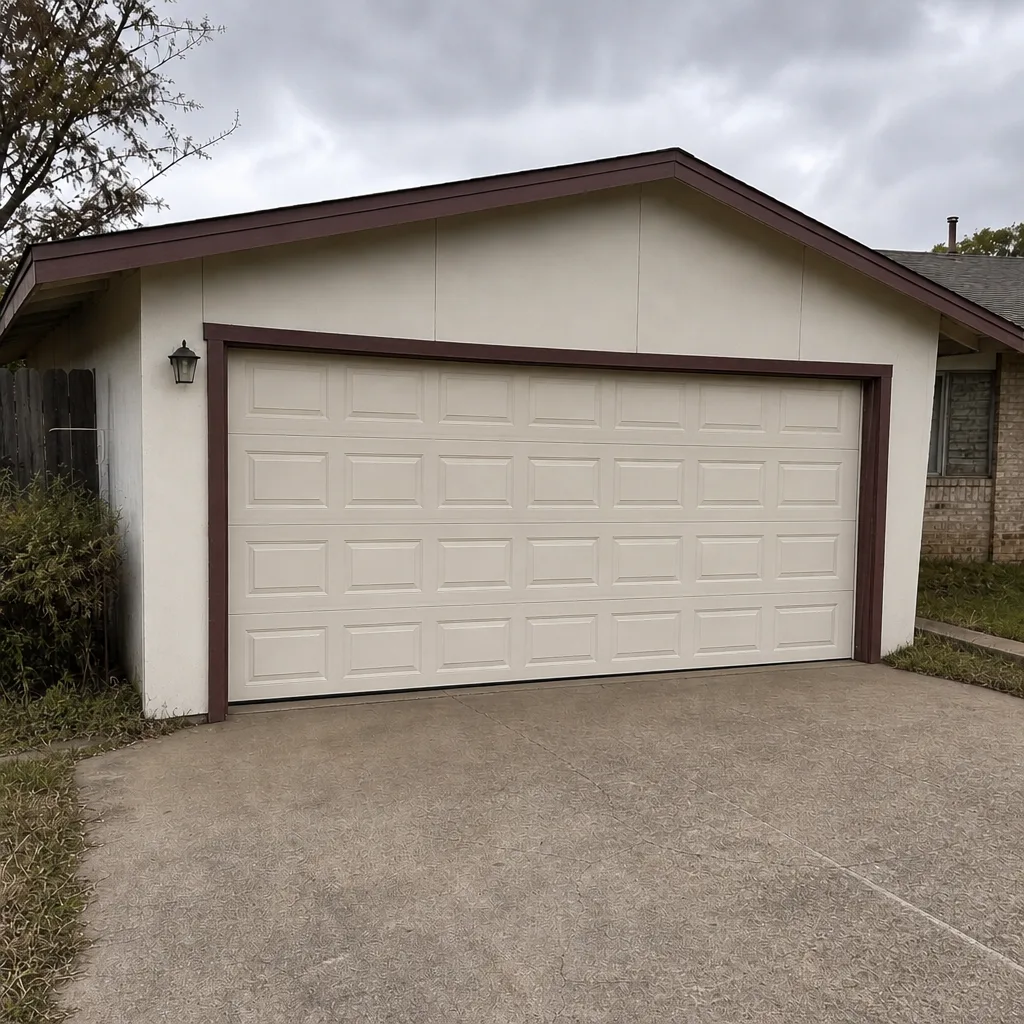 After
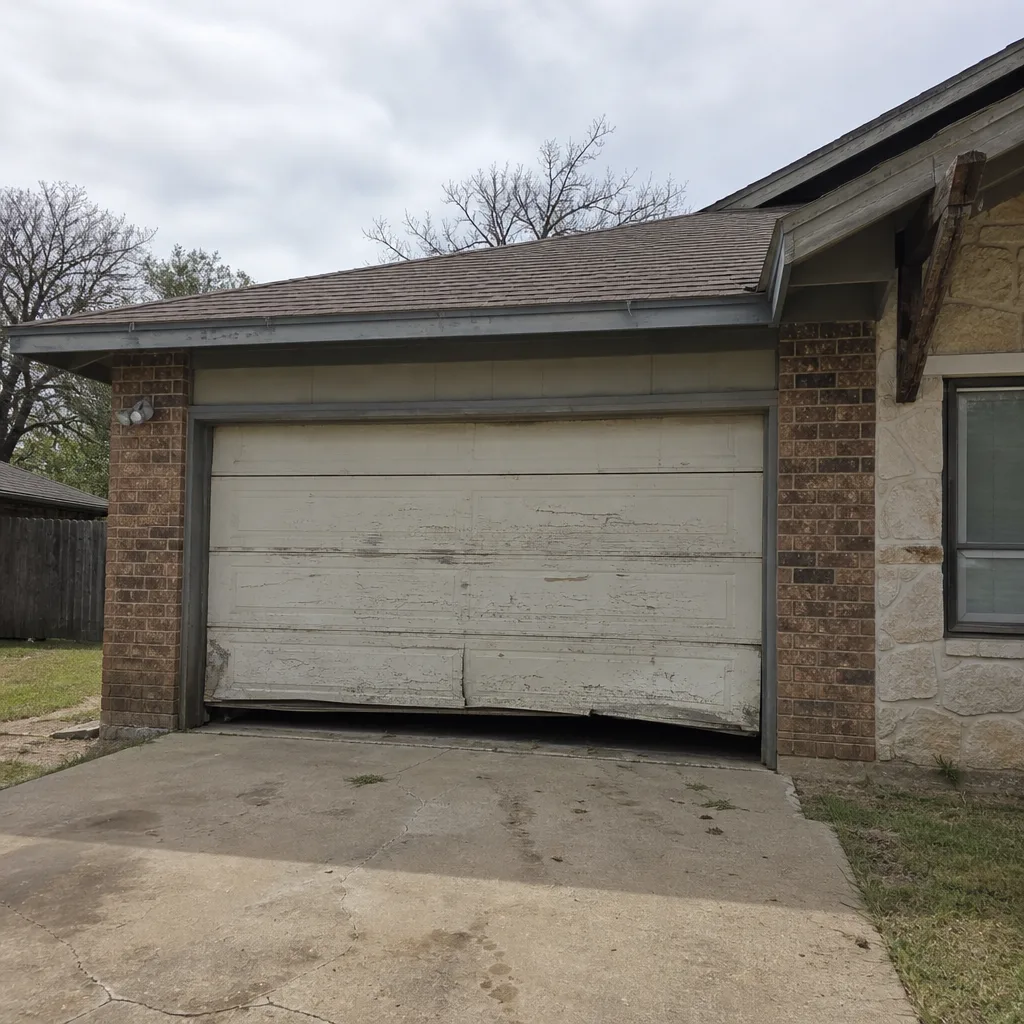 Before
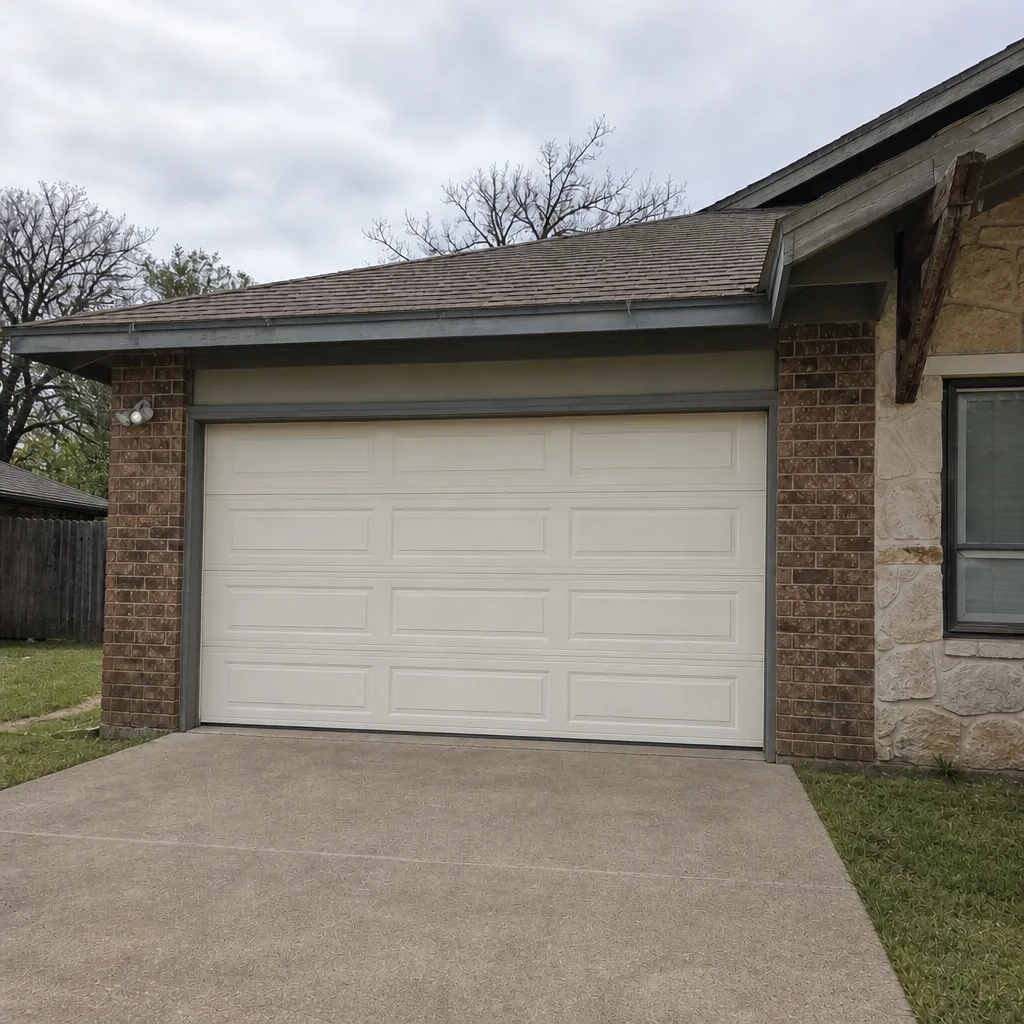 After
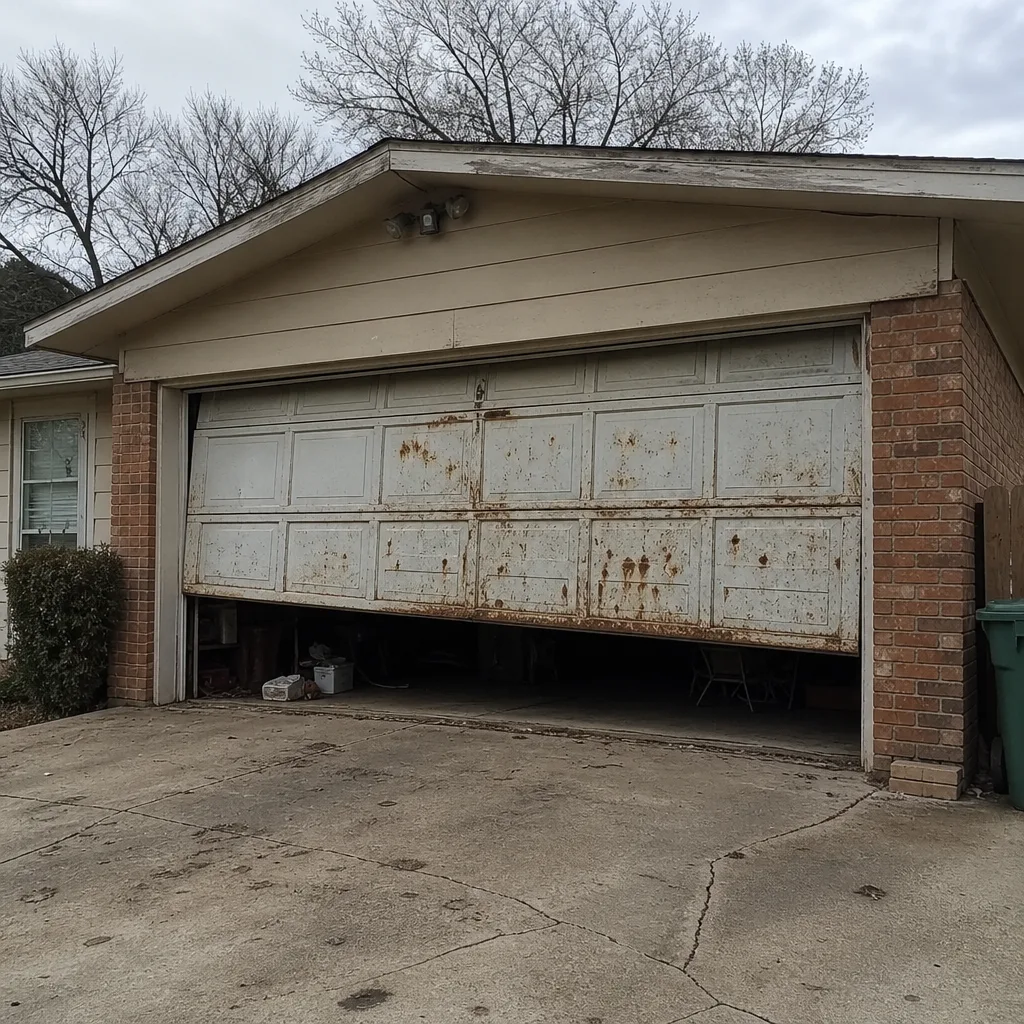 Before
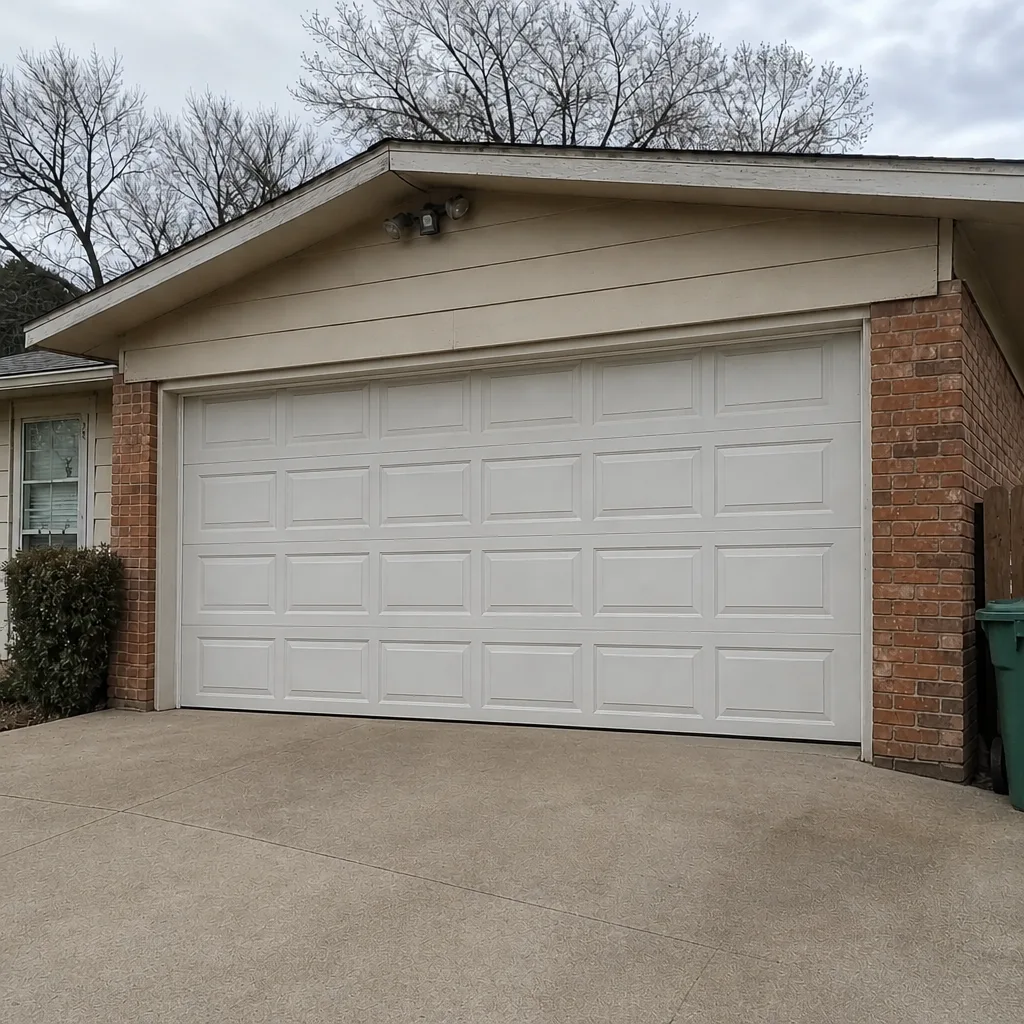 After
Common Mistakes to Avoid
- Lubricating the tracks. Track grease attracts the dust and grit that’s already loose in San Angelo, and it makes rollers slip. If a track is dry, it usually needs a cleaning, not lube. Use the right product on the right part, and keep the tracks clean.
- Ignoring a popping sound because the door still works. A door can run for a while after the first pop, and the fact that it still opens is not a sign it’s safe. The pop is the warning, not the failure.
- Assuming a slow door means a dying opener. Usually it’s the door’s balance, and replacing the opener won’t fix a door that’s out of balance.
- Buying a replacement door before a diagnosis. A lot of “we need a new door” calls turn out to be a track or roller problem, and we’d rather repair the door you have. Repair first, replace only when it makes sense.
- Letting rust on a spring go. In a place with San Angelo’s humidity swings, a rusted spring keeps weakening. Catch it on inspection and you replace a spring, not a door.
- Putting off a frayed cable. Cables are under tension, and a frayed one is the most avoidable safety problem on the whole system.
- Using a handyman or generalist for a brand-specific issue. Brands like Raynor or Amarr have specific parts and specifications, and getting the compatibility right upfront saves a callback and a mismatched part.
When to Call a Professional
Call when the warning sign involves a spring, a cable, a bent track, or a door that won’t move evenly. Call when you hear a pop and the door stops lifting. Call when the opener hesitates before reversing or works only sometimes, because a safety function that fails intermittently is still a safety function that fails. And call when your own inspection turns up something you don’t recognize, even if the door still works. Ramsey Garage Door Repair offers free estimates in San Angelo. Our technicians work on the brand you already have across the eight leading door and opener brands, so the diagnosis and the parts match what’s on your home. Call (833) 486-5004. We answer 24/7. Fast dispatch from 7am to 7pm, Sunday through Friday. The price is quoted and agreed before any work starts, and the written estimate sets the final price.
Frequently Asked Questions
A loud pop followed by a door that won’t lift is the most serious warning sign, because it usually means a torsion spring has failed. Stop using the door and call for repair. A snapped cable or a door hanging crooked is just as urgent. These parts hold the door’s weight, and a trained specialist should handle them.
Grinding in San Angelo often comes from dust and grit that work into the rollers and hinges, plus the expansion and contraction from wide day-to-night temperature swings. Those conditions wear hardware faster. A cleaning and a hardware check usually resolves a grind that hasn’t bent anything yet.
A rusty spring is an actual problem, not a cosmetic one. The rust is a sign of fatigue, and a fatigued spring is closer to breaking. In a climate with San Angelo’s humidity swings, rust accelerates that fatigue. Have it looked at before the spring fails and strands you.
That’s almost always an opener problem, not a door problem. Intermittent failure usually points to a loose wire, an aging logic board, or a remote that needs re-pairing. It’s a separate diagnostic from the door’s mechanical repair, and it’s a good reason to call for a specific opener repair rather than a general handyman.
No, and it usually costs more than it saves. A slow or labored door is often out of balance, and a new opener on an out-of-balance door just puts the strain on a fresh motor. Diagnose the door first. If the opener itself is failing, we’ll tell you, and we work on the brands you already own.
If the sign is grinding, squealing, or a remote working intermittently, you usually have days to weeks to schedule a repair. If it’s a pop, a snapped cable, or a broken spring, don’t wait at all. Call (833) 486-5004 for a free estimate, and we’ll tell you which group you’re in.
The Bottom Line
Warning signs on a garage door aren’t mysterious once you know what to listen and look for. Grinding means hardware. A pop means a spring. A slow door usually means balance. A hesitant or intermittent opener means opener repair, not a new door. In San Angelo, check your springs for rust and your panels for sun damage on a schedule, and do the sixty-second visual pass from inside the garage each season. Repair first, and replace only when it makes sense. Ramsey Garage Door Repair handles repair, opener repair, and installation on the brand you already have. For a free estimate, call (833) 486-5004. We answer 24/7. Fast dispatch from 7am to 7pm, Sunday through Friday. You can also reach us through Ramsey Garage Door Repair.
Written by the team at Ramsey Garage Door Repair.