
Last updated November 15, 2026
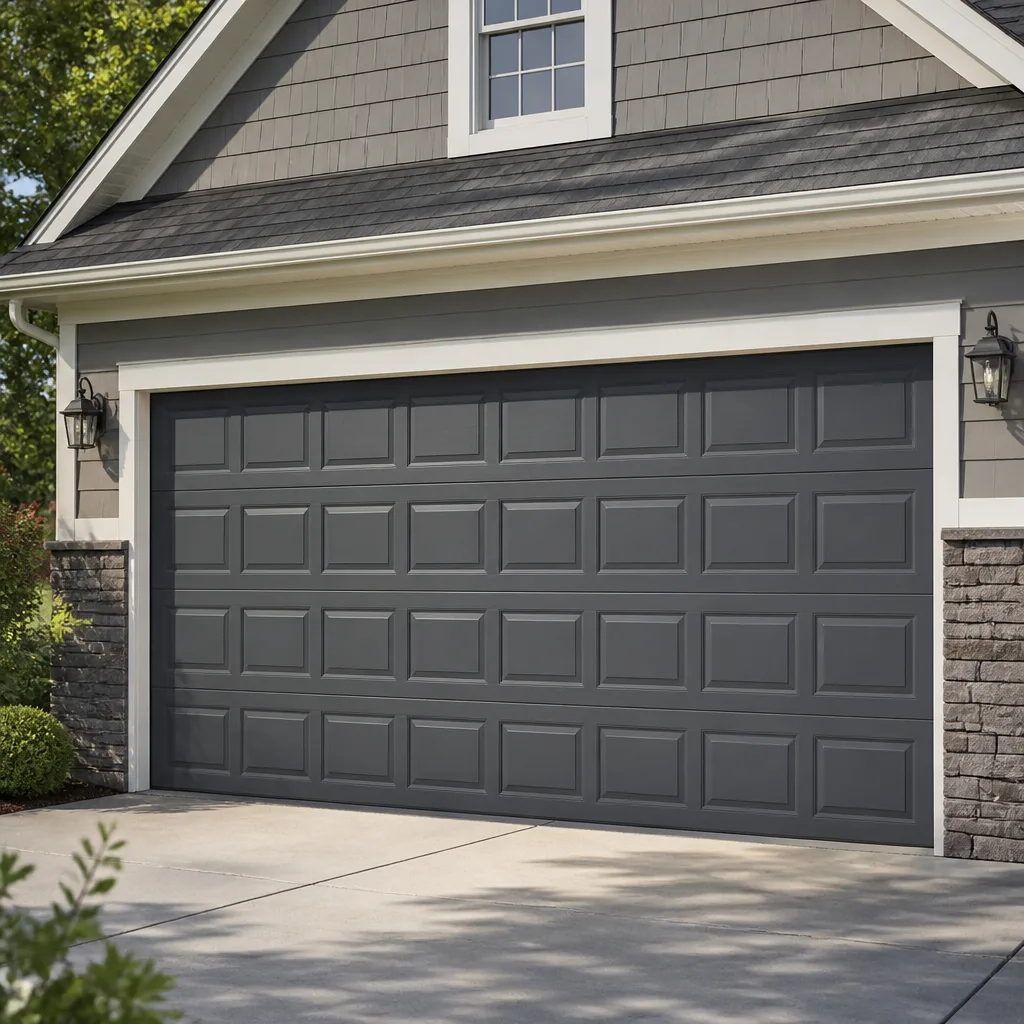 Raised-panel steel
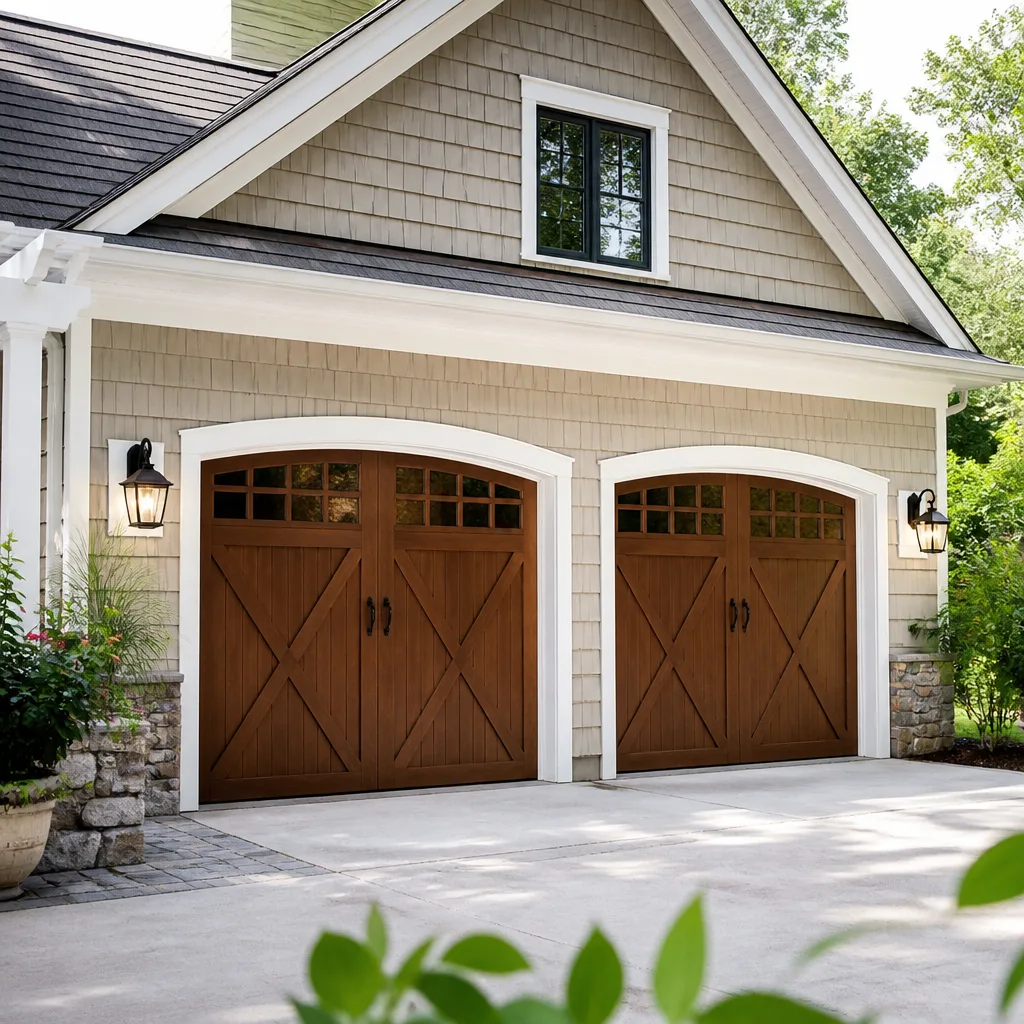 Carriage house
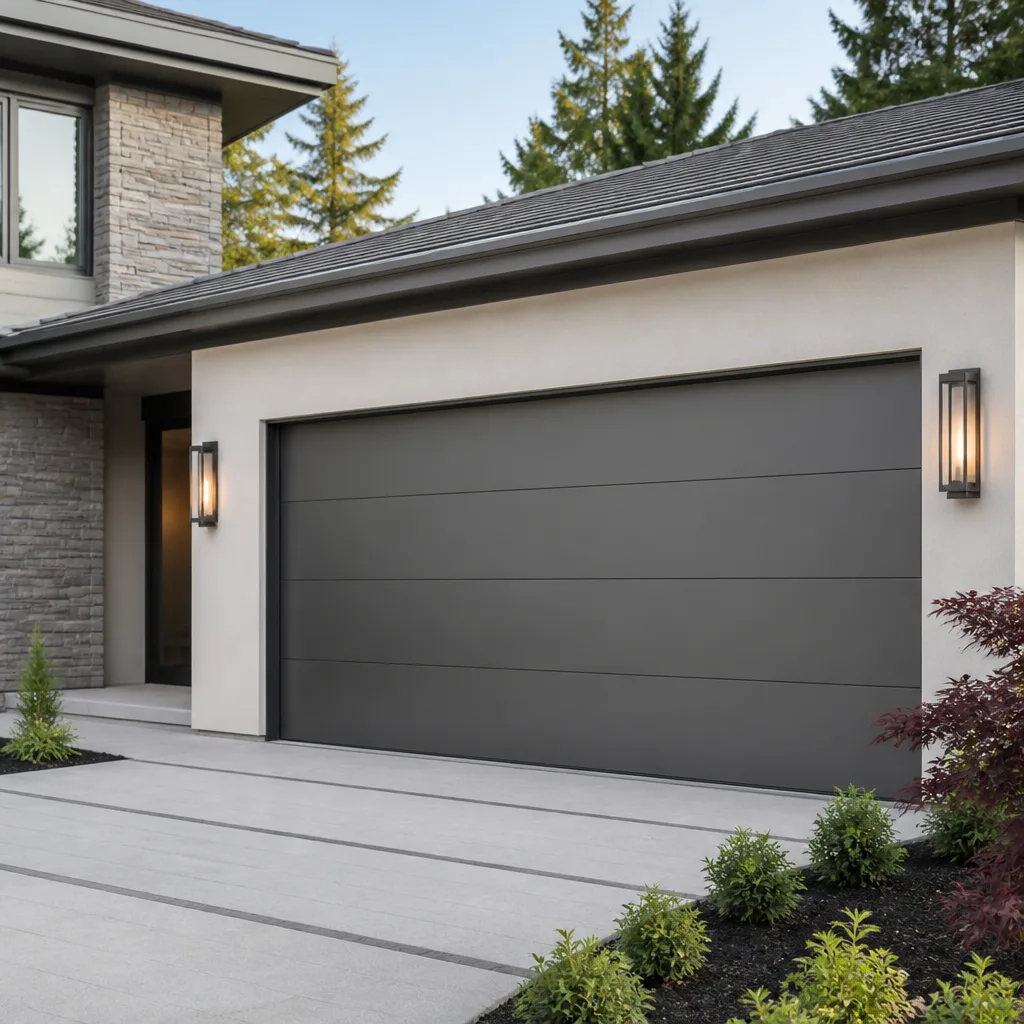 Modern flush
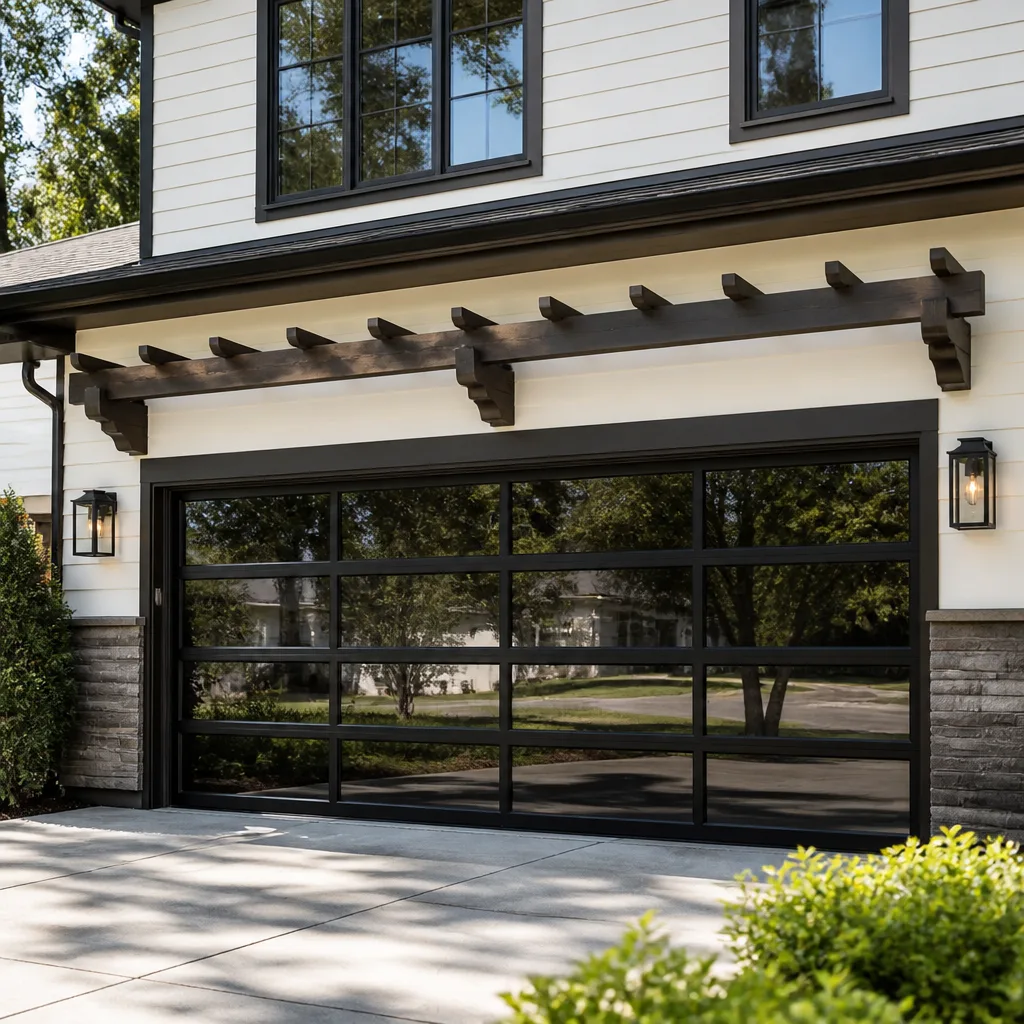 Full-view glass
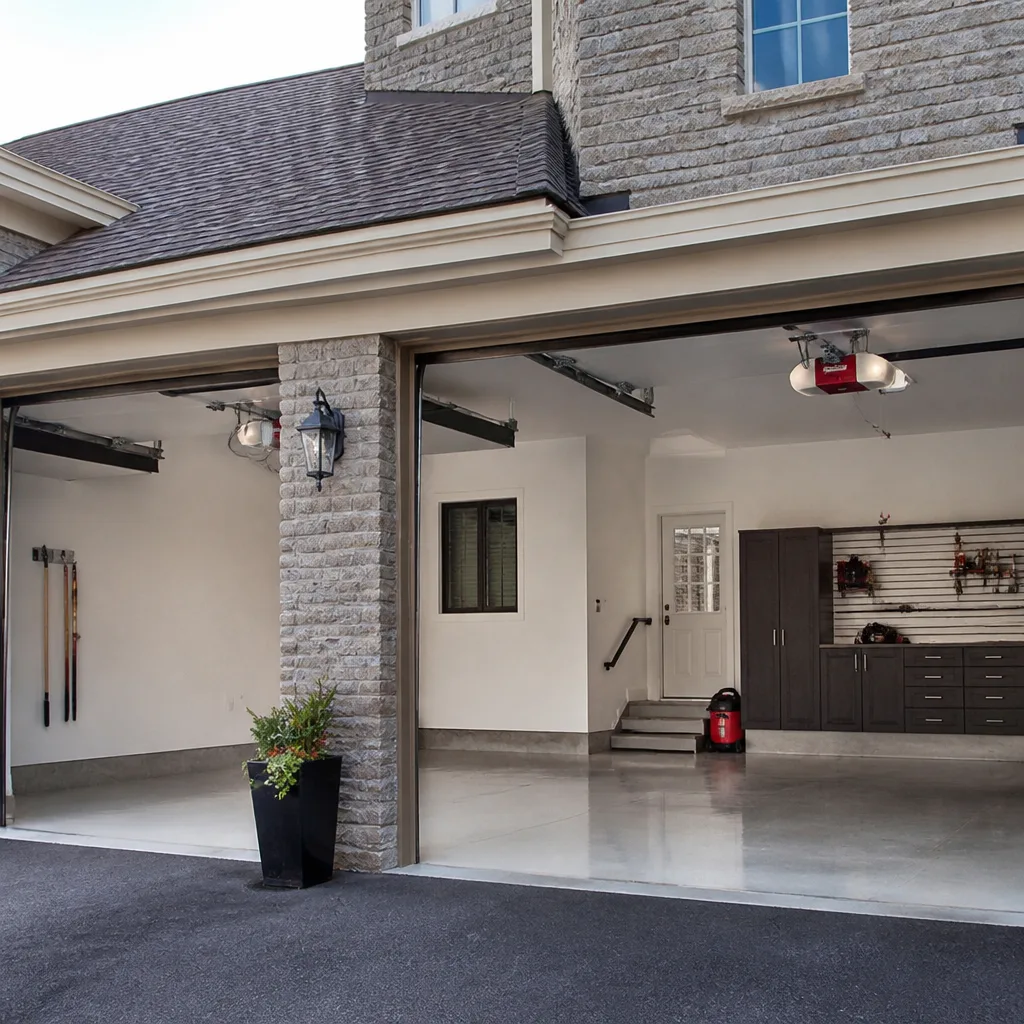 LiftMaster openers
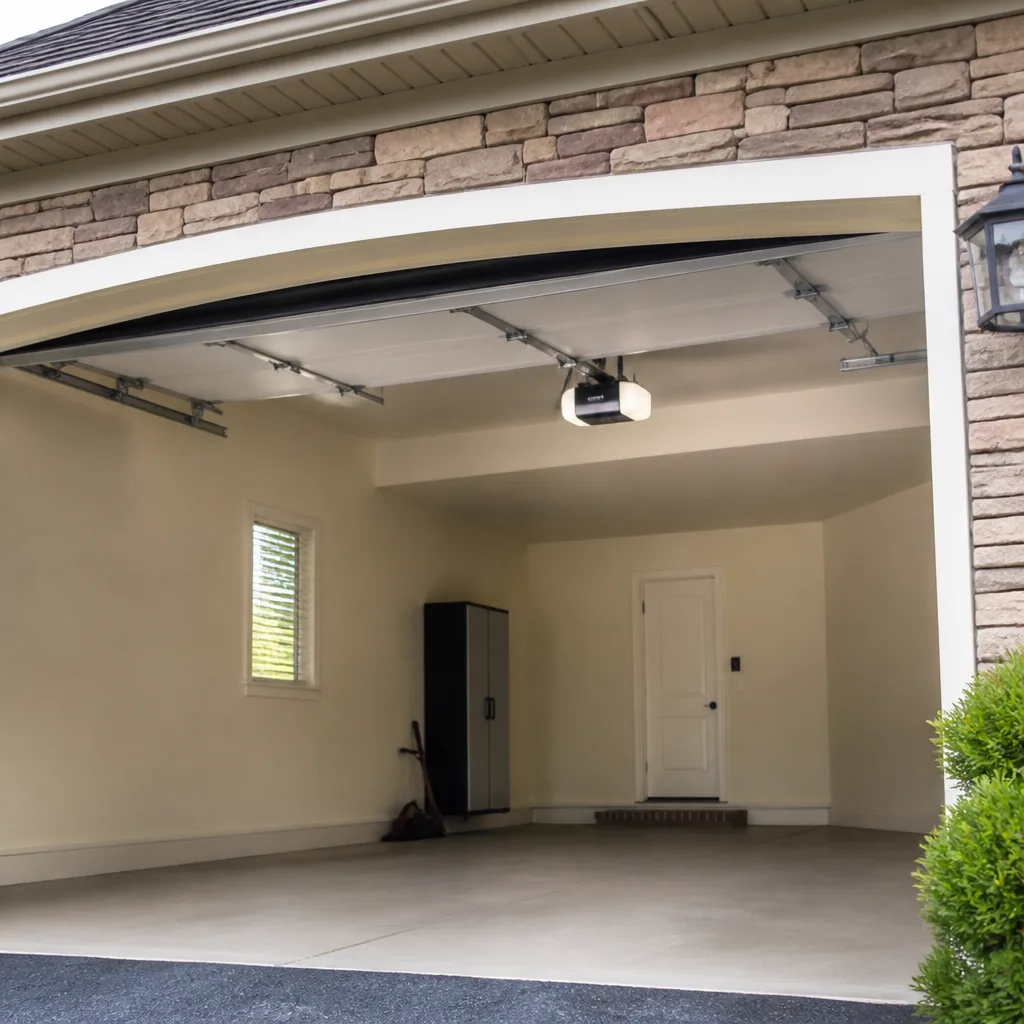 Chamberlain openers
Full 25-point door and opener safety check with every visit - springs, cables, rollers, tracks, and your LiftMaster or Chamberlain opener included
You get a price before we start. It does not change when the pro arrives.
Get your free estimateThe Complete Guide to Garage Doors in San Angelo
Most garage door guides are written for the Pacific Northwest or the Mid-Atlantic, and they assume conditions San Angelo never sees. Here, a door spends June through September baking under triple-digit heat, then faces sharp winter temperature swings and a constant load of West Texas wind-driven dust, sand, and grit. The concrete slab it hangs from sits on caliche soil that swells and shifts with every wet and dry cycle. Those three forces (heat, wind, and ground movement) cause failures that a generic national guide will never mention. This guide treats the local environment as the main variable, not a footnote. You’ll learn how San Angelo wear patterns show up on doors, which materials hold up here, and how to decide between repair and replacement without guessing.
Quick Answer
A garage door in San Angelo lasts roughly 15 to 25 years for a steel door, sooner for wood composites in the heat, and the most common local failures are hardened weatherstripping, misaligned tracks from slab and soil movement, and opener strain from a door that has quietly gotten heavier. Repair first whenever the panels and structure are sound; replace when the door is rusted through, badly dented, or the repair cost climbs toward half the price of a new door. A written estimate is the only way to know which side of that line you’re on.
Styles & brands we work with
- Raised-panel steel
- Carriage house
- Modern flush
- Full-view glass
- LiftMaster openers
- Chamberlain openers
Table of Contents
- How San Angelo Weather Wears Out a Garage Door
- Why Caliche Soil Misaligns Tracks
- Which Garage Door Materials Hold Up in San Angelo?
- Brand Matters: What a Multi-Brand Specialist Offers
- Opener Failures Are Their Own Specialty
- Repair or Replace? A San Angelo Decision Map
- What Garage Door Work Costs in San Angelo
- Seasonal Checks That Prevent Expensive Failures
How San Angelo Weather Wears Out a Garage Door
Heat is the single biggest accelerator of garage door wear in San Angelo, and it works on the parts you can’t see. The rubber weatherstripping along the bottom and sides starts as flexible material and, under month after month of intense sunlight and reflected heat off a west-facing driveway, dries into something closer to chalk. Once it hardens, it stops sealing, and wind-driven dust and grit begin working their way into the gap.
UV exposure reaches the painted steel and the rubber gaskets at the same time. Steel panels fade, and the reflective finish that helps a door shed heat degrades. In our experience across San Angelo, the bottom seal and the perimeter weatherstripping are the first items to fail on almost every door, and they fail faster here than a national average would suggest because the sun load is relentless and the temperature swings between day and night are wide.
The wind adds a second layer. Constant West Texas wind pushes sand into the tracks, hinges, and rollers, where it acts like a slow abrasive. A door that operated quietly two summers ago starts to rattle and bind not because a part has broken, but because grit has packed into the moving joints.
Watch for these signs of heat and dust wear:
- Weatherstripping that has turned stiff, cracked, or brittle to the touch
- Faded or chalky paint on the door face, especially on the sun-facing side
- A rattling or grinding sound as the door travels
- Visible grit in the tracks and around the hinges
- Daylight showing through along the bottom or sides when the door is closed
None of these are emergencies on their own, but each one lets the next problem in. Worn stripping lets dust and heat reach the hardware; dust wears the rollers; worn rollers put extra load on the opener. Small item now, expensive item later.
Why Caliche Soil Misaligns Tracks
Caliche is the calcium-carbonate soil layer common across West Texas, and it moves. It swells when it takes on water and contracts when it dries, and that cycle repeats under the concrete slab a garage door hangs from. When the slab shifts even slightly, the door tracks move with it, and a door that used to run straight now runs crooked.
Here’s the trap. The symptom looks like a hardware failure. The door binds, a roller jumps, the top panel catches. A homeowner, or a generalist repair person, replaces the rollers and calls it fixed. Then it binds again, because the actual cause was a track pushed out of plumb by the ground, not a worn part. This is one of the most common misdiagnoses we see in San Angelo.
The fix starts with a proper check. A technician confirms whether the track is out of alignment, whether the slab and framing have shifted, and only then decides how to correct it. Sometimes the track can be brought back to plumb and the door runs true again. Sometimes the shift is settled enough that a corrected alignment holds. But you can’t correct what you haven’t identified.
Signs that soil movement, not hardware, is the real problem:
- The door binds or rubs at one specific height on every cycle.
- The gap between the door and the track changes from one side to the other.
- A newly replaced roller or hinge fails again within a short time.
- The door looks level but drags on one edge as it moves.
- Cracks or settling are visible in the concrete near the door openings.
If a repair has failed twice, ask whether the track itself has been checked for alignment rather than just the parts hung on it. That question alone saves a lot of money in San Angelo.
Which Garage Door Materials Hold Up in San Angelo?
The best material for a San Angelo door balances heat resistance against the local humidity swings and dust load. No single material wins on every count, so it helps to know what each one does well here.
| Material | How It Handles San Angelo | Best For |
|---|---|---|
| Steel, 24-25 gauge | Best all-around. Holds up to heat and UV, resists dust better than wood, and the thicker gauges dent less. Painted steel can fade on the sun side. | Most homes; the default choice when nothing else is required. |
| Steel, 27-28 gauge | Lighter and cheaper, but dents more easily and can bow under heat over time. | Tight budgets or doors facing away from the sun. |
| Wood composite | Looks warm and matches many homes, but wood responds to humidity swings and needs more upkeep in the heat. | Buyers who want the wood look and accept the maintenance. |
| Aluminum | Rust-resistant and light, but dents more easily than steel and can feel flimsy on large sections. | Smaller doors and anything where rust risk matters most. |
For most San Angelo homes, a 24- or 25-gauge steel door is the practical answer. It handles the heat, resists the dust, and asks for the least ongoing attention. Wood composite doors are lovely to look at, but understand that the local humidity swings and heat will shorten their lifespan unless you stay on top of finish and sealing. Aluminum earns its place where rust is the main worry, but expect more dent repair on a large, wind-exposed door.
Whichever material you choose, the finish coat matters. A factory-applied finish holds up far better to West Texas sun than a field-painted surface, and it’s the difference between a door that still looks sharp at the ten-year mark and one that needs refinishing first.
Brand Matters: What a Multi-Brand Specialist Offers
Here’s a scenario San Angelo homeowners run into regularly. Your existing door is an Amarr or a Wayne Dalton, it’s structurally fine, and one component has failed. A big-box installer’s easiest answer is to sell you a whole new door in a brand they stock, because that’s the business model. A multi-brand specialist’s answer is to fix the door you already have, using parts that match the manufacturer’s spec.
That distinction matters most when your brand is not the one a given shop carries. We work on the brand you already have, and knowing the specifics of Wayne Dalton, Amarr, Raynor, and Craftsman models means we can diagnose faster and source the correct part instead of forcing a near-fit. A mismatched component is one of the quietest sources of repeat failures: it installs, it sort of works, and then it wears out the parts around it because the geometry was never quite right.
What a multi-brand specialist brings to your San Angelo door:
- Correct parts for the brand and model, not a near-fit substitution
- Working knowledge of each manufacturer’s warranty terms and compatibility requirements
- Recommendations based on your existing setup and budget, not on which line is most profitable
- Fewer callbacks, because the right part went in the first time
This is where Ramsey Garage Door Repair fits. Three service lines only (repair, opener repair, and installation) and nothing outside them. That focus means every technician’s experience is concentrated in one trade: garage doors. When you need garage door repair, you want someone whose whole job is the thing on your house, not a generalist adding it between other projects.
Opener Failures Are Their Own Specialty
A door that won’t open is often an opener problem, not a door problem, and the two require different skills. The door is mechanical: springs, cables, rollers, tracks, panels. The opener is electrical and electronic: the motor unit, the logic board, the safety sensors, the remotes, the keypad, and increasingly the smart-home connection. Treating opener work as an afterthought to door repair is how small electrical faults get misdiagnosed as mechanical failures.
The opener brands common in San Angelo homes include LiftMaster, Chamberlain, Genie, and Craftsman, and each has its own quirks in how it fails and how it communicates a fault. A Genie that runs but won’t reverse may point to a sensor issue; a Craftsman that opens a few feet and stops may point to a force-setting or travel-limit problem. Getting this right the first time starts with recognizing which brand you’re looking at.
Steps to isolate an opener issue from a door issue:
- Pull the emergency release cord to disconnect the opener from the door.
- Lift the door by hand. If it’s hard to lift or won’t stay open, the problem is the door, not the opener.
- If the door lifts smoothly by hand, the fault is in the opener or its wiring.
- Check that the safety sensors on either side of the opening are aligned and unobstructed by dust.
- Note the brand and model of the opener before calling, so the right parts and knowledge show up together.
That last step saves time. When you request garage door opener repair, giving the brand up front means the technician arrives already knowing the compatibility requirements and likely failure points. Motors, remotes, keypads, and smart-home connectivity all fall under this work, and all of them are their own skill set.
Repair or Replace? A San Angelo Decision Map
Door age, material, and the specific wear patterns San Angelo produces should drive this decision, not a sales pitch. A sound steel door with a failed spring or a bent track almost always deserves repair. A rusted-through door or one with multiple dented panels after a run of hard seasons usually doesn’t. The line is usually obvious once someone actually looks at the door instead of guessing over the phone.
Work through these questions in order:
- Is the door structurally sound? Panels, frame, and hinges intact, no rust-through, no rot. If yes, repair is on the table.
- How old is it? Under 15 years old and steel, repair usually wins. Past 20 years with rising problems, weigh replacement.
- What material is it? Wood composite in the San Angelo heat often reaches its practical end sooner than steel.
- How many things are wrong at once? One failed spring is a repair. Springs, rollers, tracks, and a failing opener together push toward replace.
- What’s the repair cost against a new door? When the repair approaches half the cost of a new door, replacement is often the better long-term call.
A word on springs. The torsion springs and the cables that carry the door’s weight are under extreme tension. They are the one part of this system a homeowner should never attempt to adjust or replace. A spring that lets go can cause serious injury, and there is no safe way to work on one without the right tools and training. We’ll say it plainly: leave springs and cables to a trained professional. The same goes for the opener’s electrical connections.
If you’ve worked through the five questions and repair clearly wins, that’s the honest recommendation and it’s what you should hear. If replacement is the better call, a free estimate should lay out both options with real numbers so you can decide. For the wider local picture, the San Angelo service page covers how the work is handled here.
What Garage Door Work Costs in San Angelo
Every price below is a typical estimated range, and the written estimate after a look at your door sets the final number. The price is quoted and agreed before any work starts, so you know the cost going in.
| Service | Typical Estimated Range |
|---|---|
| Spring replacement (one spring) | $180 – $340 |
| Matched spring pair (usually replaced together) | About twice the single-spring range |
| Cable replacement | $150 – $275 |
| Roller and hinge replacement | $120 – $250 |
| Track realignment | $150 – $300 |
| Weatherstripping and bottom seal replacement | $100 – $220 |
| Opener repair | $120 – $350 |
| New door installation (per door) | $900 – $2,800 |
| New opener installation | $300 – $650 |
These are estimates, not quotes. A door that needs the track corrected after caliche movement, or one where the opener and the door both need work, lands at the higher end. A clean single-part repair lands at the lower end. The written estimate is what settles it, and you’ll have that before anyone touches the door.
One thing to keep in mind: replacing a door is measured, ordered, and scheduled work, not a same-day job. Repair and opener work move faster. Either way, the final price is agreed in writing first.
Seasonal Checks That Prevent Expensive Failures
A few minutes of looking, done a couple of times a year, catches the San Angelo wear items before they compound. You’re not fixing anything; you’re noticing things before they grow. Keep it simple:
- Run your hand along the weatherstripping. If it feels hard or crumbly, it needs replacing soon. This one check prevents most dust and heat problems.
- Look in the tracks. Packed grit and sand should be wiped out, not left to grind the rollers.
- Listen. A rattle, grind, or pop that wasn’t there last season is an early signal.
- Test the safety sensors. Wave something across the sensor beam while the door is closing; it should reverse.
- Look at the concrete. New cracks or settling near the door openings hint at track movement to come.
If the door lifts and closes smoothly by hand with the opener disconnected and nothing is loud or binding, you’re in good shape. If any of those checks turns up something, get it looked at before the failure gets expensive. The same approach applies to garage door repair generally: small issues corrected early stay small.
Common Mistakes to Avoid
- Replacing rollers that keep failing without checking the track. If a new part fails twice, the cause is likely caliche-driven track misalignment, not the part itself.
- Ignoring hardened weatherstripping because the door still opens. It’s the cheapest fix on the list and the one that protects everything else from dust and heat.
- Letting a big-box installer talk you into a new door when your current brand just needs a part. A multi-brand specialist fixes the door you have; a single-line seller often can’t.
- Touching springs or cables yourself. They’re under extreme tension and are the one part that should always be left to a trained professional.
- Heating the door in summer and freezing it in winter with no seal. Worn seals let the San Angelo temperature swings straight into your garage and your home.
- Assuming opener faults are door faults (or the reverse). Disconnecting the opener and lifting the door by hand tells you which it is in under a minute.
- Waiting for a rattle to become a failure. Noise is the warning; a broken spring or jammed track is the bill.
See the difference
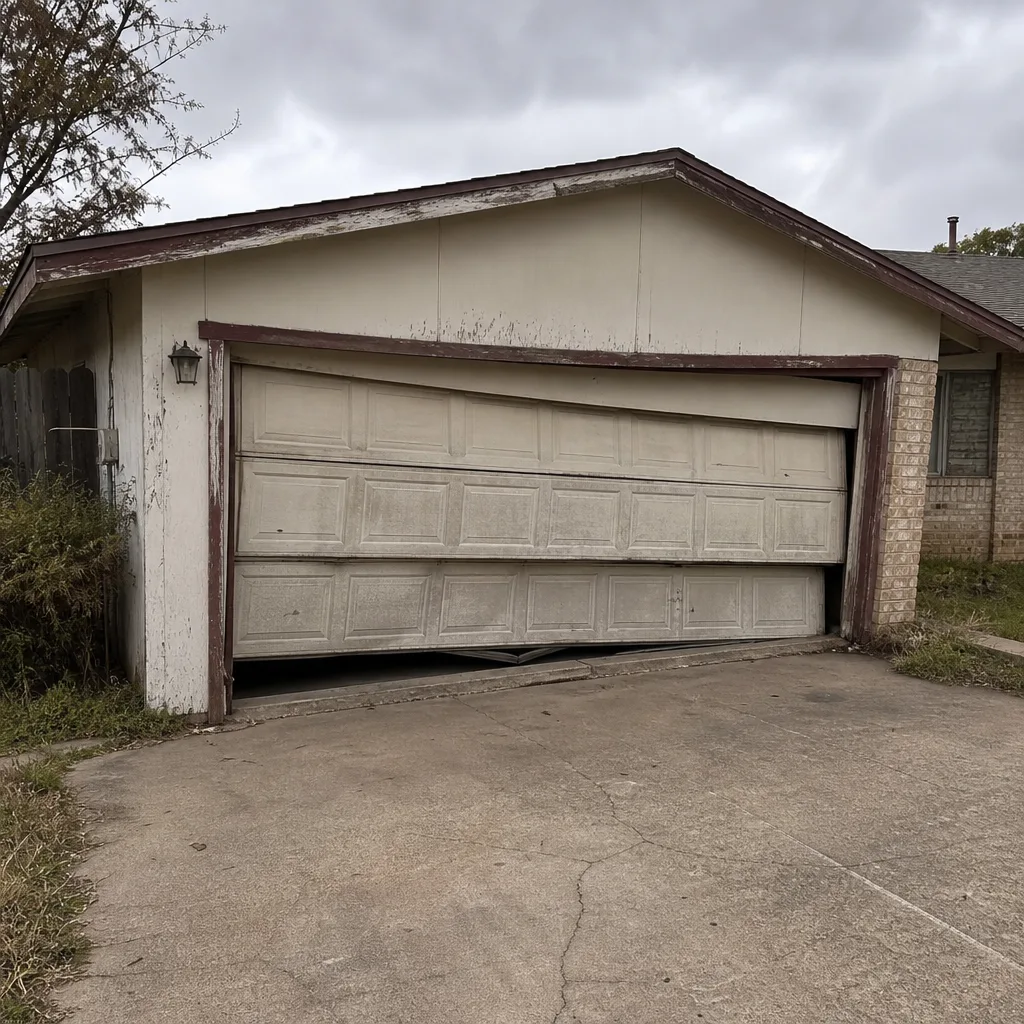 Before
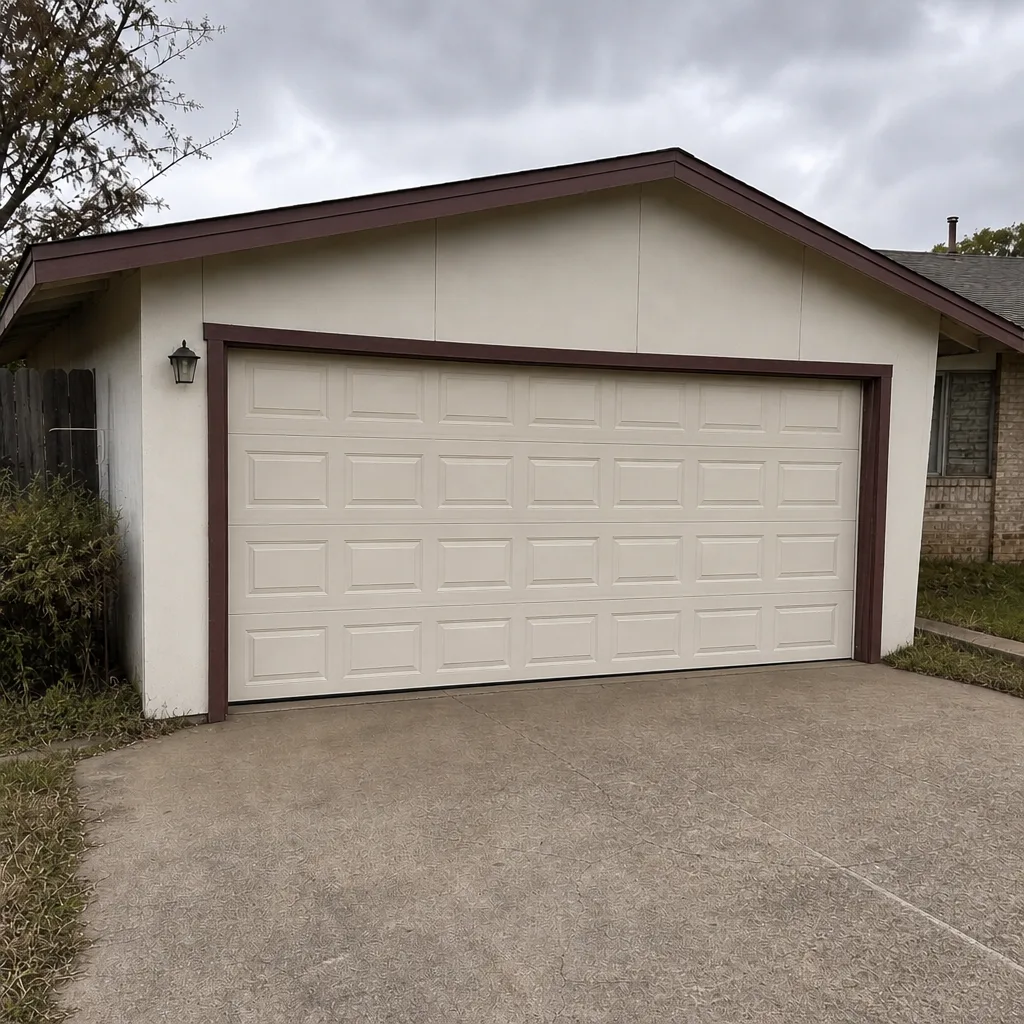 After
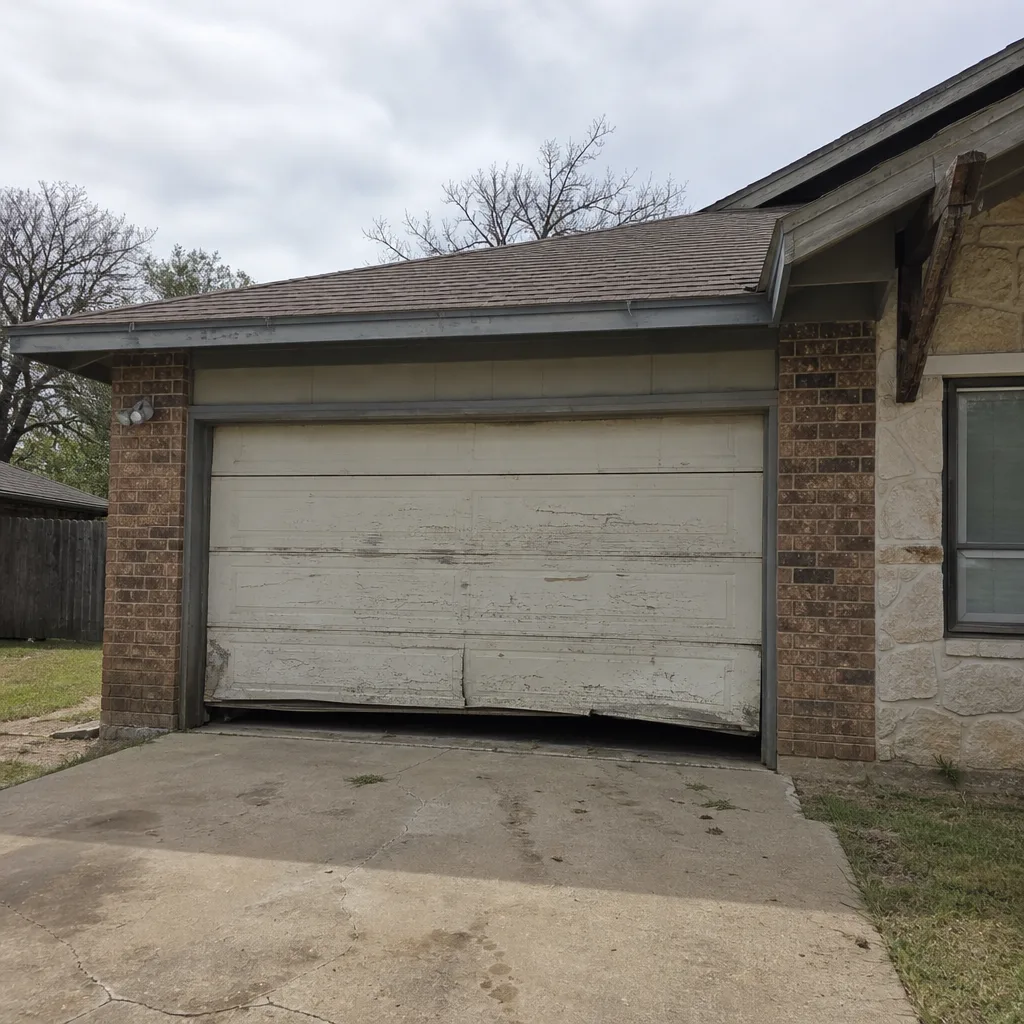 Before
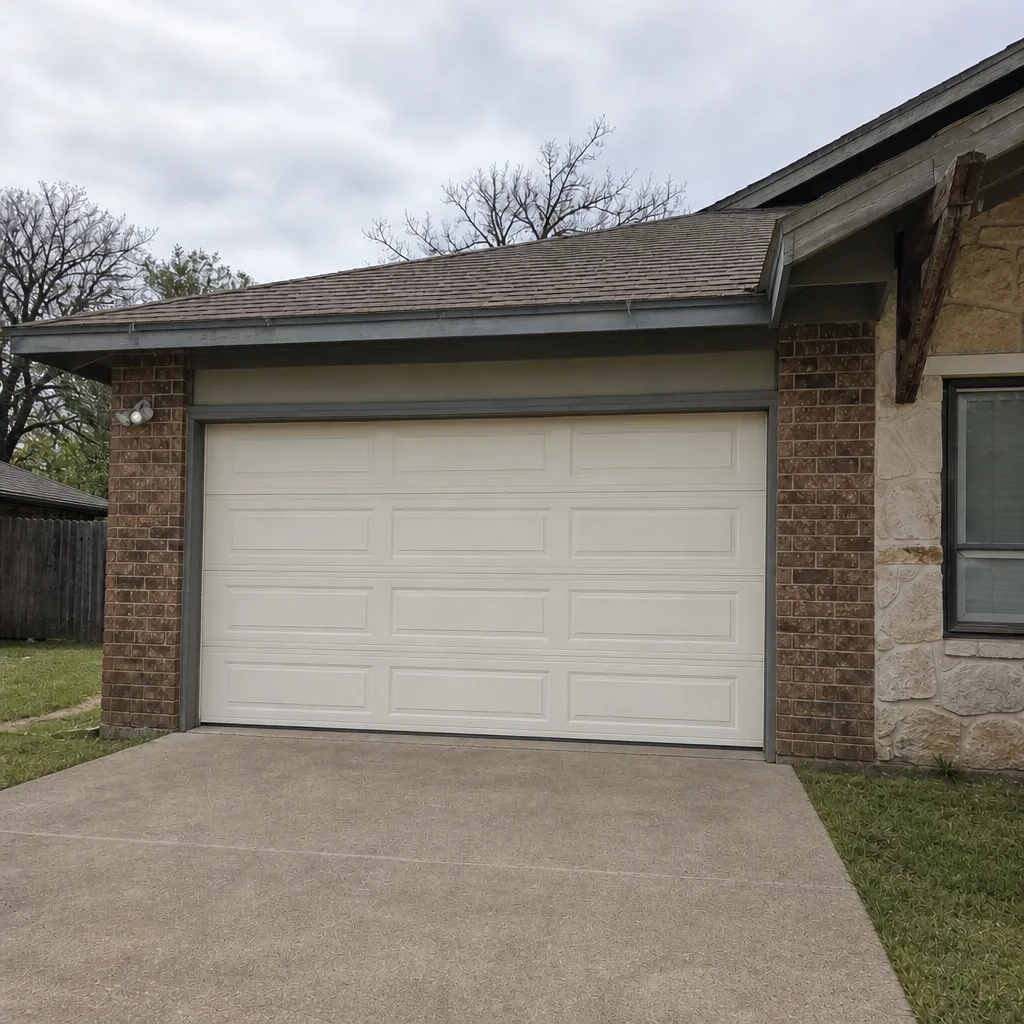 After
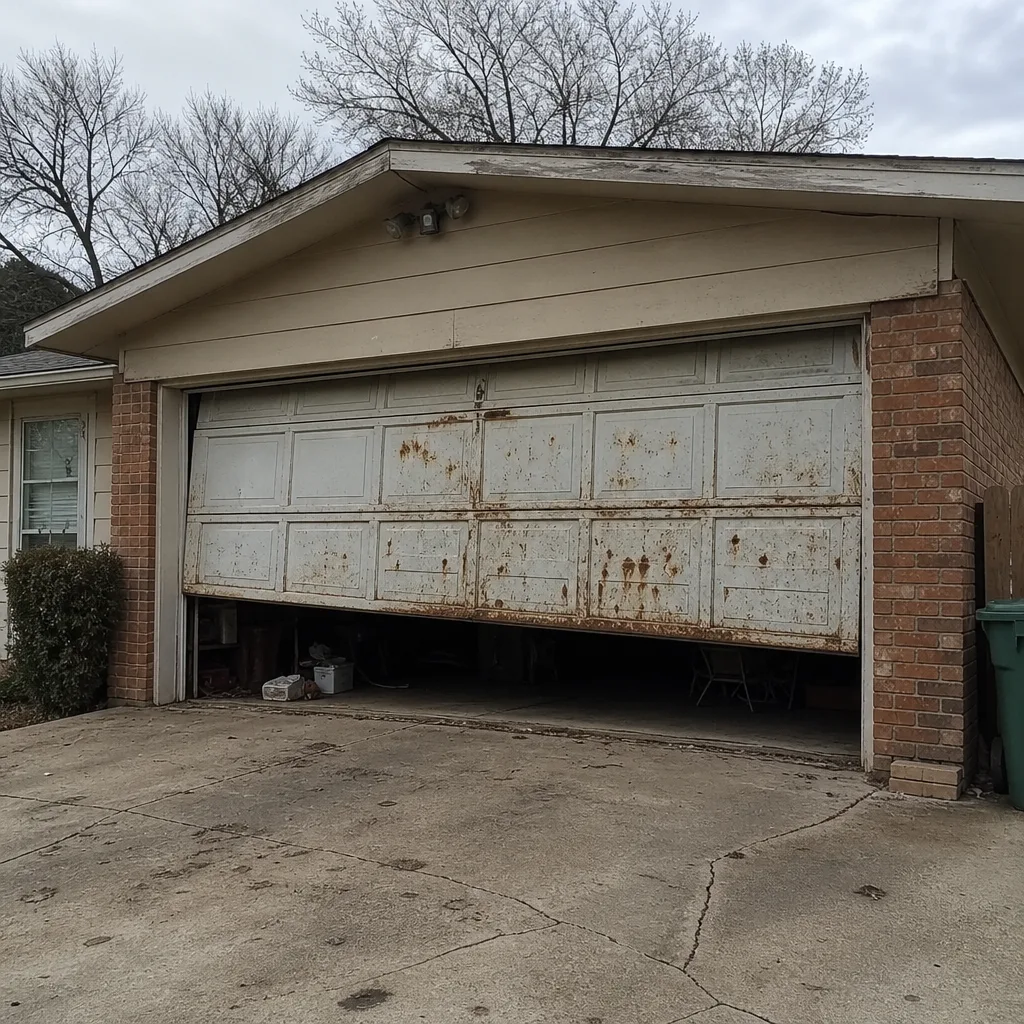 Before
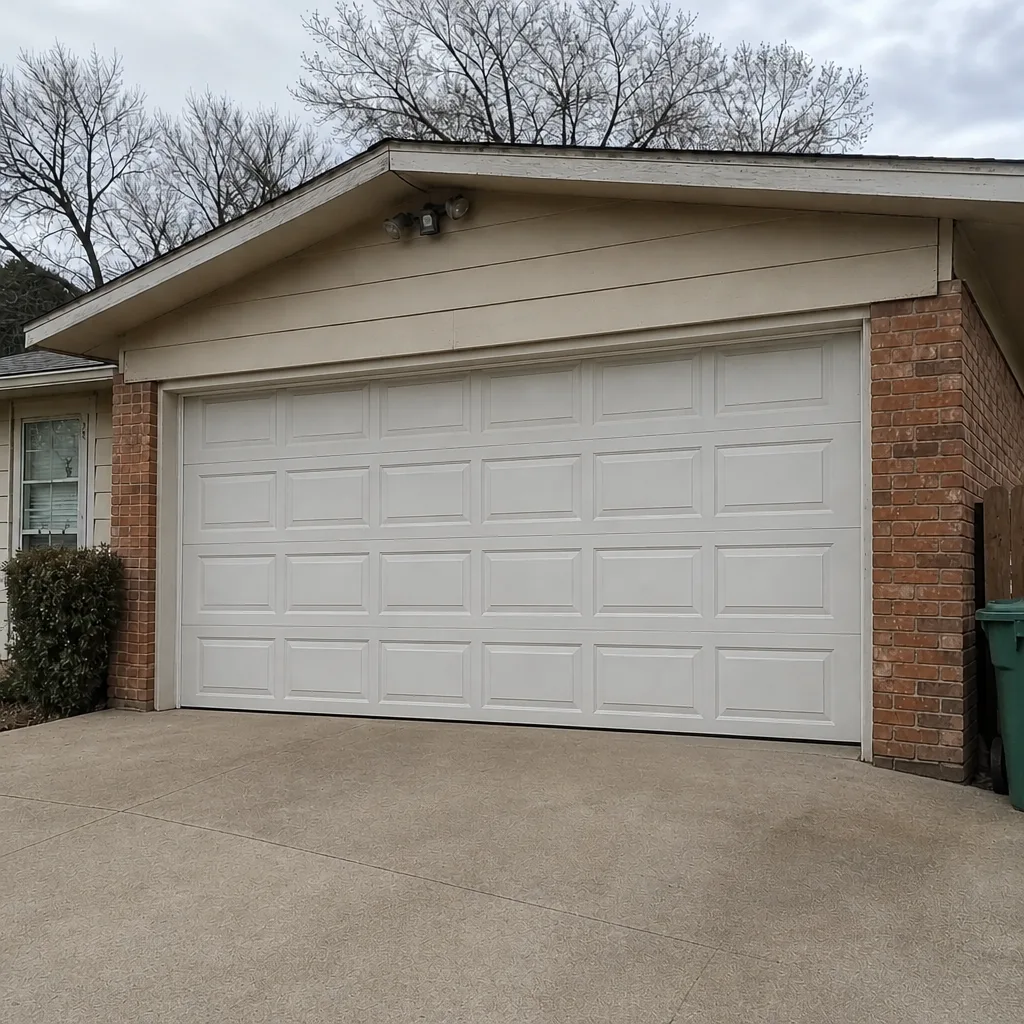 After
When to Call a Professional
Call when a spring lets go, when the door binds or catches, when a cable looks frayed or slack, when the opener runs but the door doesn’t move, or when weatherstripping and seals have clearly given up and you’d rather not tackle it. Also call before you decide to replace: a free estimate that lays out repair and replacement side by side is how you avoid guessing. Anything involving springs, cables, or the opener’s electrical connections should go straight to a trained professional; that part is not a weekend project. Ramsey Garage Door Repair offers free estimates in San Angelo and handles repair, opener work, and installation across the brands already on local homes. Call (833) 486-5004. We answer 24/7. Fast dispatch from 7am to 7pm, Sunday through Friday, closed Saturday.
Frequently Asked Questions
Repair wins when the door is structurally sound and under about 15 to 20 years old, while replacement makes more sense when panels are rusted through or several systems are failing at once. Work through structure, age, material, number of faults, and repair cost against a new door. A free estimate settles it with real numbers. Call (833) 486-5004 for an exact quote, and estimates are free.
Because the cause is usually the track, not the rollers, and caliche soil movement under the slab is the most common reason in San Angelo. When the ground shifts, the track pushes out of plumb, and the door binds at the same point every time. A track alignment check, not another part, is the answer. Call (833) 486-5004 for an exact quote, and estimates are free.
About $180 – $340 for one spring, with a matched pair usually replaced together at roughly twice that. The written estimate after a look at the door sets the final price, agreed before work starts. Call (833) 486-5004 for an exact quote, and estimates are free.
Often yes for repair and opener work: we answer 24/7, and fast dispatch runs from 7am to 7pm, Sunday through Friday, closed Saturday. A call outside dispatch hours is booked into the next opening. Call (833) 486-5004 for an exact quote, and estimates are free.
We work on the brand you already have across the leading door and opener brands, including Amarr, Wayne Dalton, Raynor, and Craftsman. That brand familiarity means faster diagnosis and the right parts the first time. Call (833) 486-5004 for an exact quote, and estimates are free.
No. The price is set by the written estimate, quoted and agreed before any work starts, and the final price is the number you agreed to. Our technicians have up to 14 years of experience, so diagnosing what’s actually wrong comes first. Call (833) 486-5004 for an exact quote, and estimates are free.
The Bottom Line
San Angelo garage doors fail on a local schedule, driven by heat, wind-driven dust, and caliche soil movement, and defending against those three forces is the whole game. Keep the weatherstripping soft and sealing, watch for the track misalignment that looks like a hardware problem, choose a steel door that handles the heat, and decide repair versus replacement on structure, age, and material rather than sales pressure. Springs and cables are always a professional’s job. Get a written estimate before any work starts, and you’ll know the price going in. Call (833) 486-5004 for a free estimate.
Written by the team at Ramsey Garage Door Repair.