
Last updated November 15, 2026
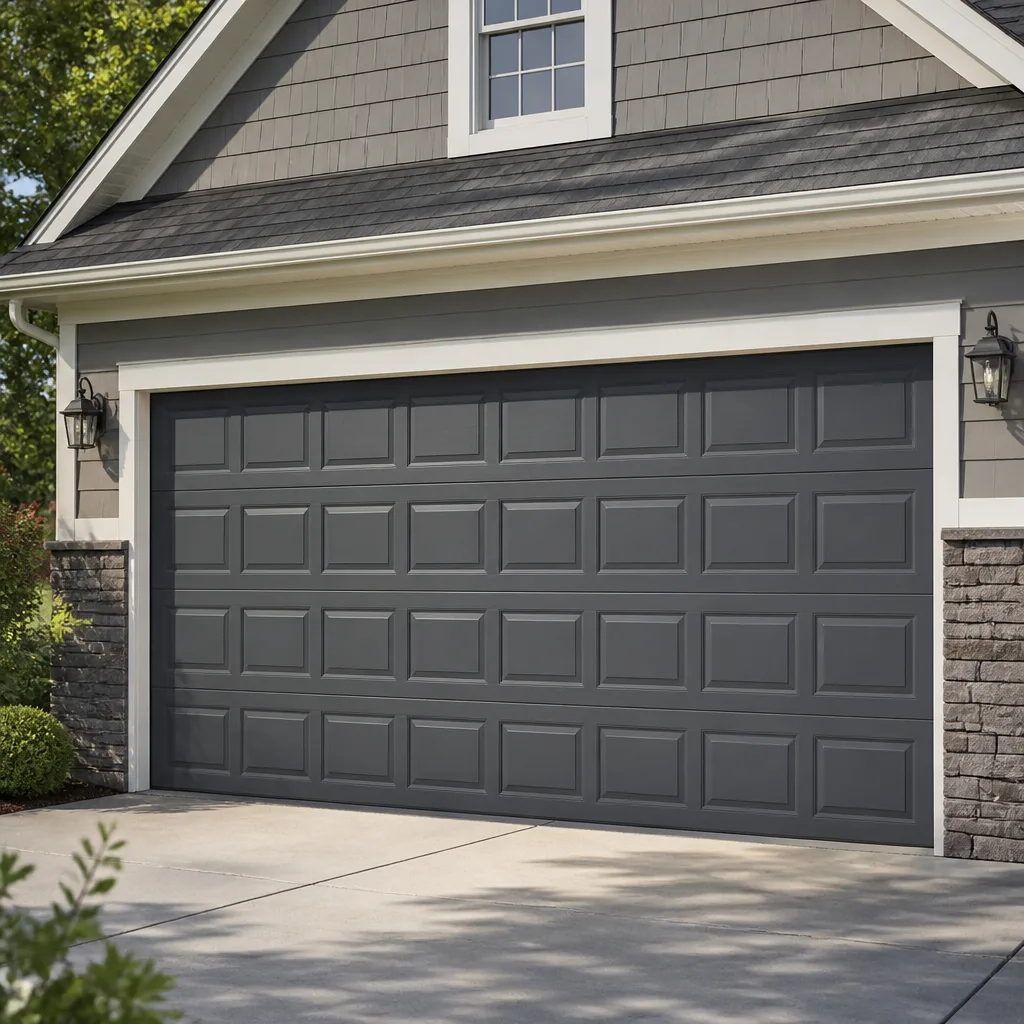 Raised-panel steel
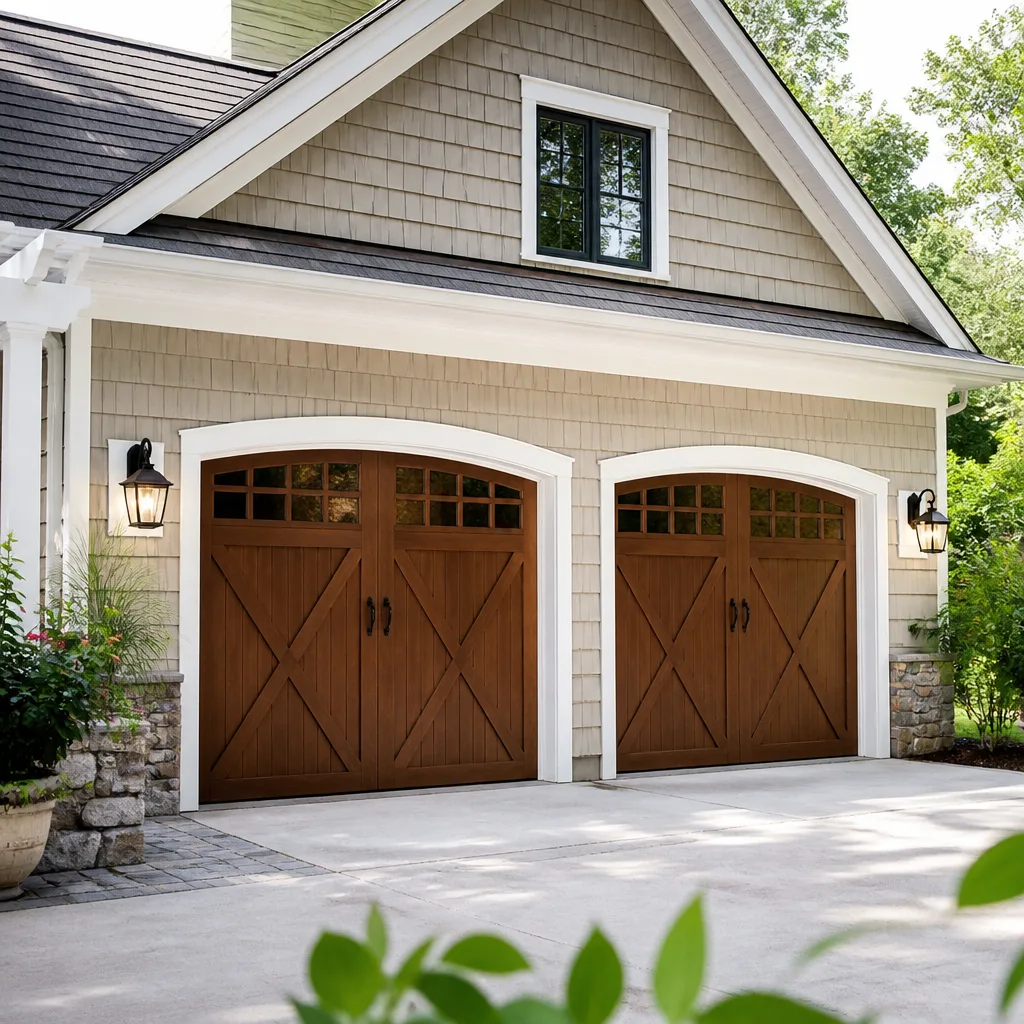 Carriage house
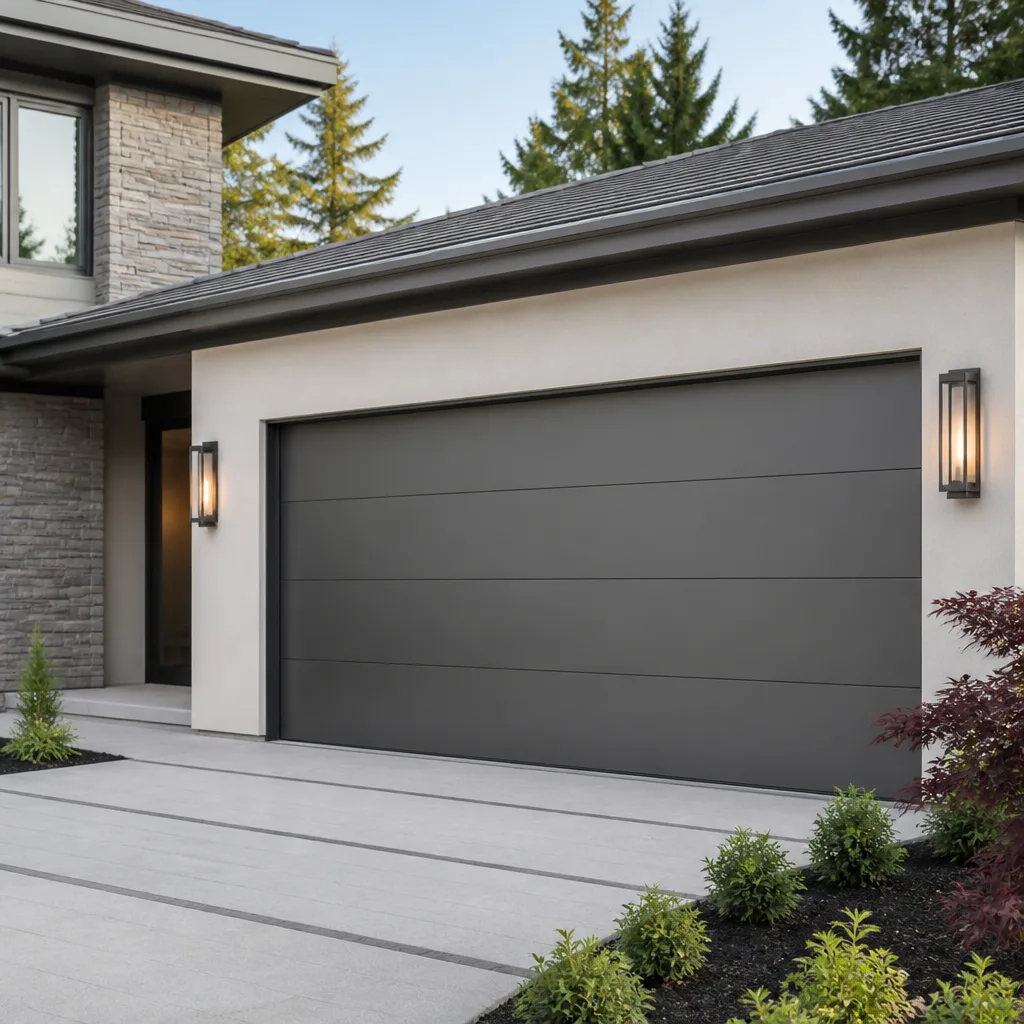 Modern flush
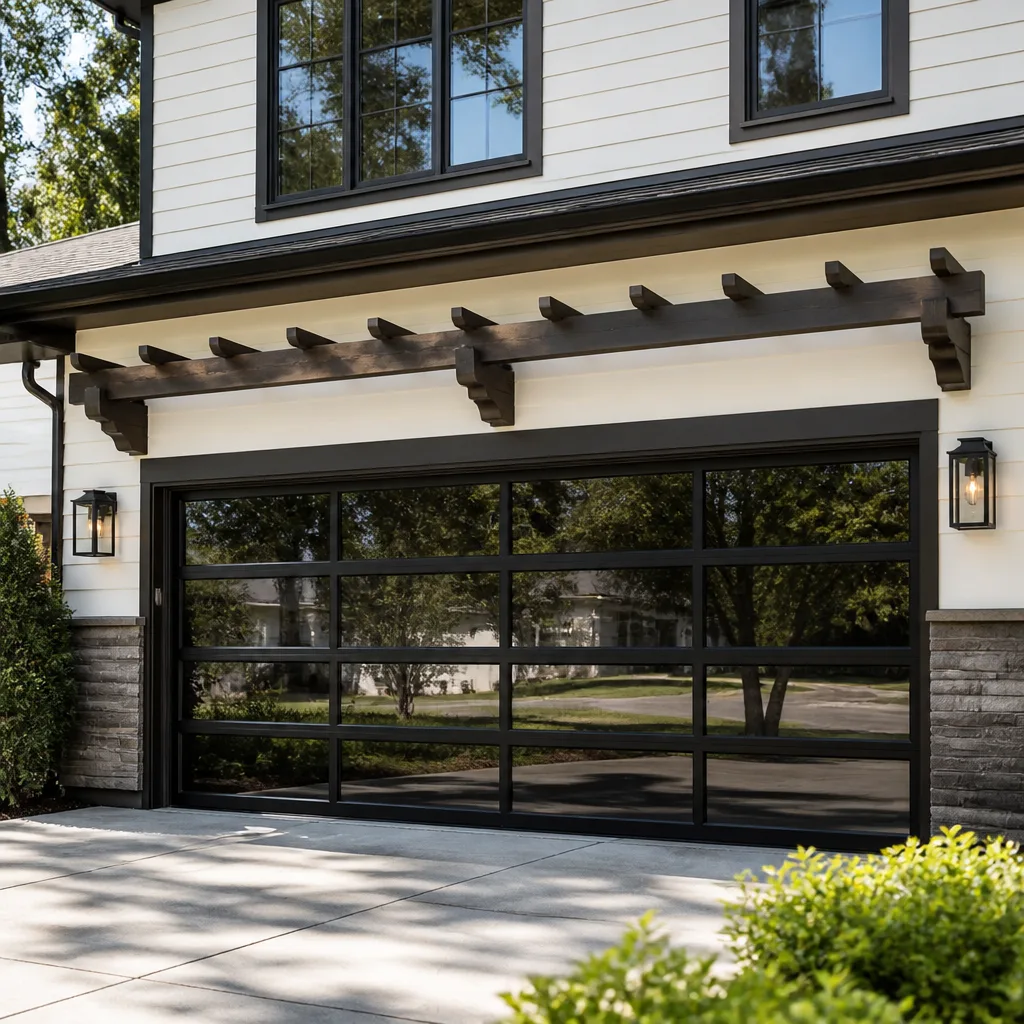 Full-view glass
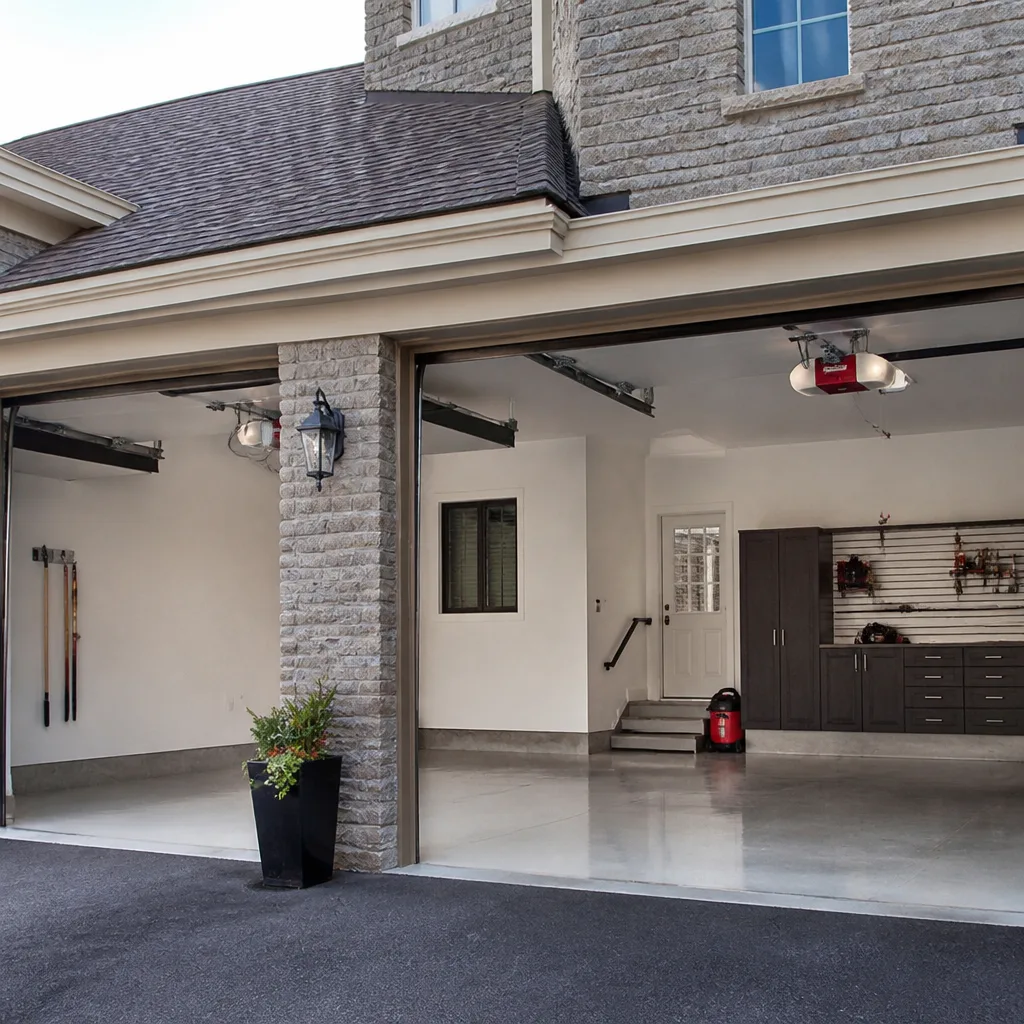 LiftMaster openers
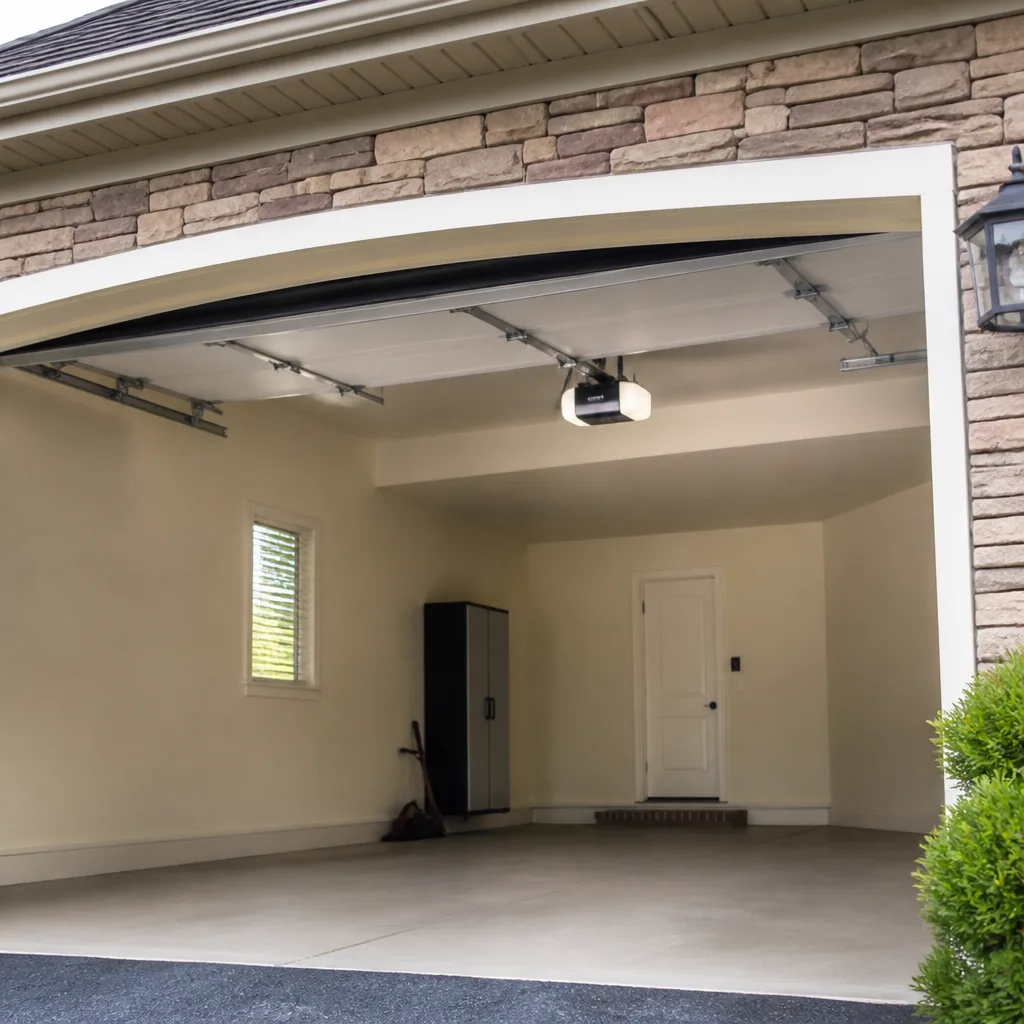 Chamberlain openers
Full 25-point door and opener safety check with every visit - springs, cables, rollers, tracks, and your LiftMaster or Chamberlain opener included
You get a price before we start. It does not change when the pro arrives.
Get your free estimateGarage Door Emergency Preparedness Guide for San Angelo Homes
The worst time to learn how to manually disengage your garage door opener is at 11 PM when the power’s out and your car is inside. San Angelo gets severe weather and rolling blackouts – a five-minute prep now handles both. Most homeowners never look at the red release cord until they need it, and then they’re guessing in the dark. This guide walks through the two emergencies that actually happen here: storm damage that hits your door during West Texas weather, and the mechanical failures that lock your car in or out. You’ll learn the manual release for common openers, what to do when a spring breaks, how to tell a cosmetic problem from a structural one, and what to have ready so a technician brings the right parts on the first trip.
Quick Answer
Garage door emergencies in San Angelo break into two types: storm damage and mechanical failure, and each has a different response plan. For mechanical failure, the manual release cord lets you disengage the opener and lift the door by hand, so you can reach your car. For storm damage, keep the door down unless you need access, then inspect for bent panels, a door off its track, or a sagging top section before you operate it. If a spring has snapped, don’t force the door, and call for trained help.
Styles & brands we work with
- Raised-panel steel
- Carriage house
- Modern flush
- Full-view glass
- LiftMaster openers
- Chamberlain openers
Table of Contents
- The Two Kinds of Garage Door Emergencies in San Angelo
- How to Use the Manual Release on Your Opener
- What to Do When a Spring Breaks and the Door Won’t Move
- Severe Weather Protocol: When to Leave the Door Down
- Cosmetic or Structural? Reading a Post-Storm Door Problem
- What to Have Ready Before You Call
- Power Outages and Your Garage Door
- A Five-Minute Prep Routine for San Angelo Homes
The Two Kinds of Garage Door Emergencies in San Angelo
San Angelo sits in a part of West Texas where a quiet afternoon can turn into a wind event fast. That shapes how garage doors fail here compared to places where weather is milder. We split the emergencies we see into two buckets, and the response is different for each.
Storm-related failures. High wind, hail, and blowing debris put pressure on door panels and tracks. A door that was working fine in the morning can end up off its track or with a bent section after a line of storms moves through. These problems are often visible right away, but sometimes the damage is subtle: a panel that’s slightly bowed, or a track that’s been nudged out of alignment so the door binds on the way down.
Mechanical failures. These happen with the weather clear and blue. A torsion spring breaks, an opener motor quits, a cable slips off its drum, or a remote stops responding. When that happens while your car is inside the garage, you’re stuck until you either lift the door by hand or get help.
Both kinds of emergency get easier if you’ve thought them through ahead of time. The prep work takes minutes. Skipping it means improvising in the dark, and improvising around a garage door is where people get hurt. The door and its springs store a lot of energy, and that energy doesn’t care whether you’re ready for it.
The other local angle: San Angelo has a real mix of older homes and newer construction, so you’ll see everything from a Wayne Dalton door with a chain-drive opener to a newer belt-drive LiftMaster system. Knowing which one you have matters when you call, because the release method and the parts differ.
How to Use the Manual Release on Your Opener
Every common residential opener has a manual release, and the basic idea is the same across brands: a cord hangs from the trolley that runs along the rail, and pulling it disconnects the door from the opener so you can move the door by hand. Where that cord sits and how it feels when you pull it varies a little. Here’s the general process.
- Find the release cord. Look at the rail that runs from the opener motor to the door. The trolley rides along that rail, and a cord or handle hangs down from it, usually with a red or dark-colored grip. On some openers the cord is short and near the motor; on others it hangs closer to the door.
- Pull straight down. Pull firmly and directly downward, not at an angle. You should feel the trolley release with a click. If the door is under tension from a broken spring, don’t yank; pull steadily and be ready for the door to drop.
- Lift the door by hand. A balanced door lifts easily. Stand clear of the path and lift with both hands on the bottom section. If the door feels extremely heavy or won’t budge, stop. That’s a sign of a spring or cable problem, not a release problem.
- Secure the door open or closed. If you lift the door to get your car out, prop it fully open before you drive through. Never leave a manually released door partway open; it can come down.
- Re-engage the opener. To reconnect, close the door fully by hand, then pull the release cord once more so the trolley re-latches, or run the opener and let the trolley pick up the door carrier. On many openers you’ll see the trolley click back into the carrier as the door cycles. Test it with a short cycle before you trust it.
A few brand notes. Craftsman and Chamberlain openers use the same basic trolley release and are common on older San Angelo homes. Raynor and LiftMaster systems typically have a similar hanging cord; if your opener uses a wall-mounted release or a lockout, check the manual for the exact step. If you can’t find the cord or the re-engage step isn’t obvious, that’s exactly the kind of question our garage door opener repair technicians answer on a call.
One safety caveat that matters: never use the manual release as a way to operate a door with a broken spring. The release is for moving a working door by hand during a power outage or opener failure. A door with a failed spring is a different situation, covered next.
What to Do When a Spring Breaks and the Door Won’t Move
When a torsion spring breaks, you usually hear it: a sharp bang from the garage. After that, the door becomes very heavy, because the springs are what counterbalance its weight. A door that lifted with two fingers suddenly needs far more force than a person should apply. Here’s the safe interim sequence.
- Don’t force the door. If it’s already down, leave it down. If it’s up, don’t try to lower it by hand. A heavy door that drops can cause serious injury.
- Keep people and pets clear. The door is now a heavy overhead object with no counterbalance holding it. Block the area and keep cars out from under it if you can.
- Disconnect the opener only if needed. If the opener is trying to lift a door it can’t, it may strain or cycle repeatedly. Pulling the manual release stops the opener from fighting the door, but if the door is up and hanging, leave it alone and call for help.
- Don’t attempt a spring replacement yourself. Torsion springs are under high tension even when they look relaxed. They can cause severe injury. This is a job for a trained technician with the right tools, and we say that every time.
When you call, tell us the door is up or down, whether the opener still runs, and what brand the door and opener are. That lets a technician know whether to expect a torsion or extension spring setup and bring the right parts. If you’re not sure of the brand, a photo of the door and the opener label helps.
A spring failure isn’t a weather event, but San Angelo’s summer heat does put cycles and stress on springs over time. A door that gets used many times a day, in a household with two cars and kids, wears its springs faster than one that opens once in the morning. That’s a maintenance question as much as an emergency one, and a technician can check spring tension and cable condition on a routine garage door repair visit before a failure happens.
Severe Weather Protocol: When to Leave the Door Down
When a storm line is moving toward San Angelo, the safest default for your garage door is down and fully closed. A closed door is at its strongest position in its tracks, seated against the frame. An open door presents a large flat surface to wind and is far more likely to be damaged or to let debris and water into the garage.
So when would you crack the door? In a power outage, opening it a foot or so to let light and air in can be useful while you work, but only if the weather is calm. During active high wind, keep it closed. And understand that standard weatherstripping along the bottom and sides is a seal against dust and ordinary rain, not a wind-rated barrier. It won’t turn your garage into a sealed envelope.
A practical storm checklist for San Angelo homeowners:
- Close the door before the wind arrives. Don’t wait for the first gusts.
- Park cars inside if the garage is clear. Hail does more damage to vehicles than to most garages.
- Clear the area near the door. Move anything that could blow against the door or block it from opening later.
- Check the door seats fully. After the storm, run it once and watch the bottom edge close flush.
- Look at the tracks and panels after the storm passes. A bent panel or a track knocked out of line is easier to fix before the door cycles many more times.
One more thing: after a wind event, a door may look fine and still be out of adjustment. Run it a couple of times and watch and listen. If it travels unevenly or the opener strains, have it checked. Small track and roller issues get more expensive if you keep operating the door on them.
Cosmetic or Structural? Reading a Post-Storm Door Problem
After a storm, homeowners want to know whether their door problem can wait or needs attention now. Here’s how to sort it out. A cosmetic issue affects appearance or a small function and doesn’t make the door unsafe to operate. A structural issue means the door could fail while moving, and you shouldn’t run it until it’s been checked.
Likely cosmetic (can usually wait, but get it looked at):
- A small dent or scuff on one panel with no effect on how the door moves.
- A cosmetic mark on the bottom weather seal.
- A remote or keypad that stopped responding after a power event.
Treat as structural (don’t operate the door):
- The door is off its track or hanging at an angle.
- A panel is bent enough that the door binds or catches as it moves.
- The door sags at the top or the sections don’t line up.
- A cable is loose, frayed, or off its drum.
- The door comes down unevenly or slams rather than easing closed.
When in doubt, err on the side of structural. A bent track or a misaligned panel can turn into a door that comes off its tracks entirely, and that’s a heavier repair than an adjustment. If you’re in San Angelo and unsure, describe what you see and we can help you decide whether to leave the door down until a technician arrives.
What to Have Ready Before You Call
The fastest way to get your door fixed on the first visit is to have the right details ready. A technician who knows the brand and model can bring compatible parts instead of guessing. Here’s the short list to gather before you call.
- Door brand. Check the label or markings on the door sections, or look for a sticker on the frame. Clopay, Amarr, Wayne Dalton, and Raynor are all common, and knowing which helps.
- Opener brand and model. The opener motor housing usually has a label with the model. Craftsman, Chamberlain, Genie, and LiftMaster are the brands we see most.
- Spring type. Is there one spring above the door (torsion), or springs running along the sides (extension)? A photo helps.
- What the door is doing. Won’t open, won’t close, opens partway, reverses, makes noise, off the track, spring broken.
- Power status. Is the opener getting power? Are lights on the motor unit? Has the breaker tripped?
- Access notes. Anything a technician should know about getting to the door.
With those details, we can match the brand and the parts and reduce the chance of a second trip. That’s the practical side of working across the major brands: our technicians understand the warranty terms and compatibility requirements for each, so the parts that show up are the ones that fit. You’ll find more on what we service across San Angelo on our city page.
Power Outages and Your Garage Door
Rolling blackouts and storm-related outages both happen here, and when the power goes out, an opener with a battery backup keeps working for a while. Many newer openers have a battery backup feature; older ones don’t. If yours doesn’t, the manual release is your tool.
The sequence for a power outage:
- Confirm the opener has no power by checking whether its lights come on and whether the wall button does anything.
- Pull the manual release cord straight down to disengage the trolley.
- Lift the door by hand and prop it fully open before driving out.
- Close it by hand when you return, then re-engage the opener once power is back and test a cycle.
If your opener has a smart-home feature or a battery backup, check the manual for how it behaves during an outage. Some units will run a limited number of cycles on battery; others just hold the door. Either way, the manual release always works.
If the door won’t move by hand even after the release is pulled, or the opener won’t respond once power is restored, that’s when a call to a technician saves time. Opener problems are their own specialty, separate from door mechanics, and our technicians handle motor units, remotes, keypads, and smart-home connectivity as a dedicated service.
A Five-Minute Prep Routine for San Angelo Homes
You don’t need a big maintenance schedule to be ready for an emergency. A short routine a couple of times a year covers most of it. Here’s what we suggest.
- Find your release cord now. Locate it, note where it hangs, and make sure it’s reachable. Show everyone in the household.
- Test the release once. With the door down, pull the release, lift the door a foot, and re-engage it. You’ll learn how it feels before you need it in the dark.
- Write down the brands. Door and opener brand and model, on a note near the garage door or in your phone.
- Listen to the door. A grinding, scraping, or banging sound means something’s worn. A door that gets louder over time is telling you it needs attention.
- Look at the springs and cables. A visible gap in a torsion spring or a frayed cable is a warning sign. Don’t touch them; call for a check.
- Check the weather seal. A worn bottom seal lets dust and water in and adds strain. It’s a small fix that protects the door.
Doing this once in the spring and once before the storm season builds good habits. If the routine turns up something that needs repair, a Ramsey Garage Door Repair technician can take a look. We work on the brand you already have, and we repair first, replacing only when it makes sense.
Common Mistakes to Avoid
- Forcing a door with a broken spring. The door can drop, and lifting it can cause injury. Leave it and call a professional.
- Pulling the release at an angle. A sideways pull can jam the trolley. Pull straight down, steadily.
- Running the opener on a damaged door. If the door is off its track or binding, cycling the opener makes it worse. Stop and get it checked.
- Assuming weatherstripping is a wind seal. It keeps out dust and ordinary rain, not high wind. Keep the door closed in a storm.
- Not knowing the brand. Calling without the door and opener brand slows down parts matching. Have it ready.
- Ignoring a slow change. A door that gets louder or starts reversing is telling you something. Waiting for a full failure costs more.
- Trying a DIY spring or cable repair. The tension stored in these parts is dangerous. This is trained-professional work, every time.
See the difference
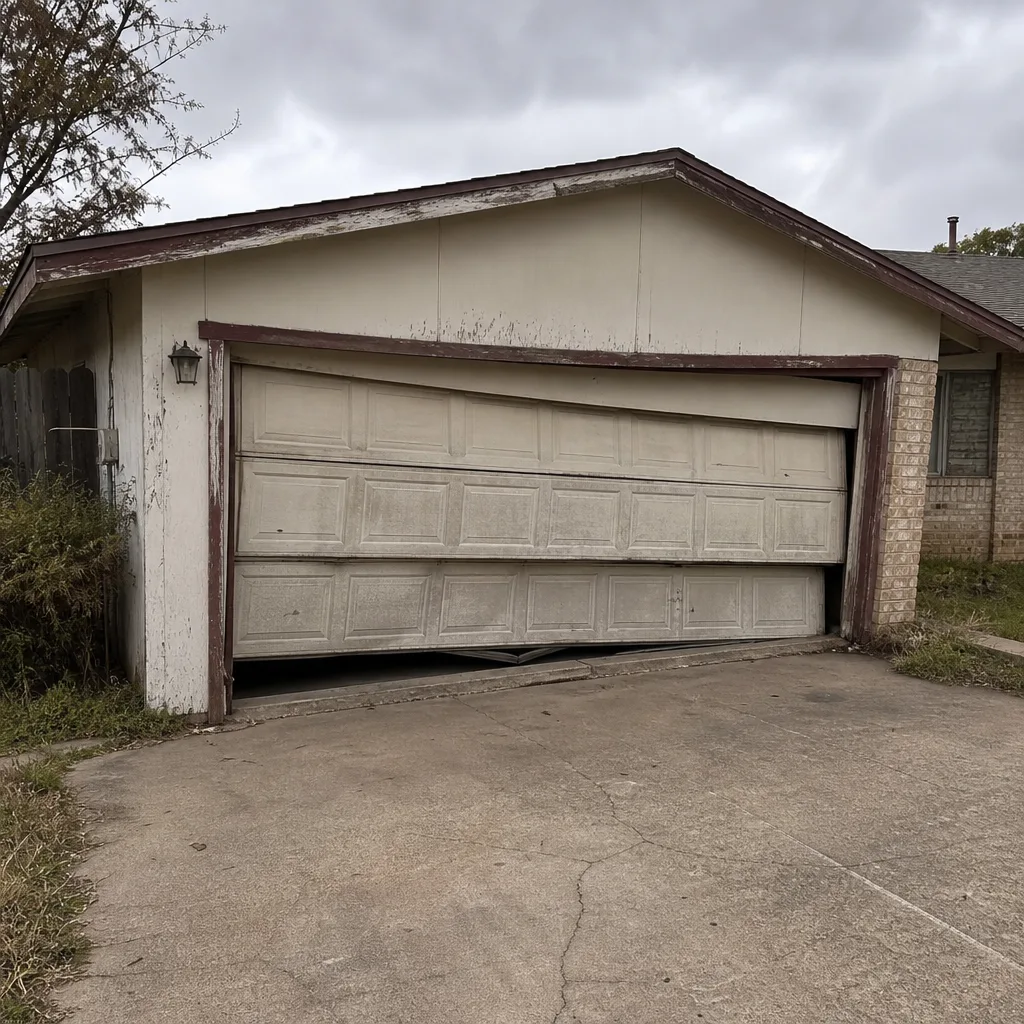 Before
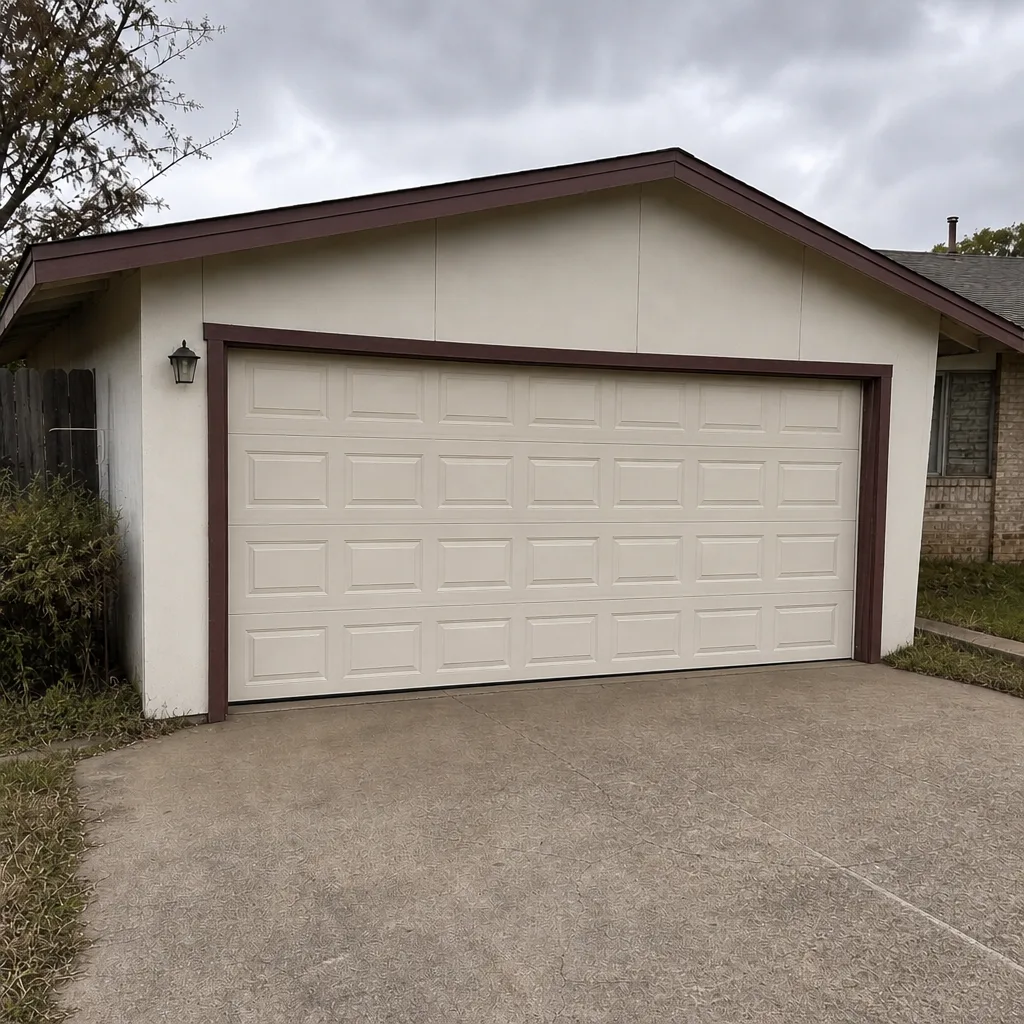 After
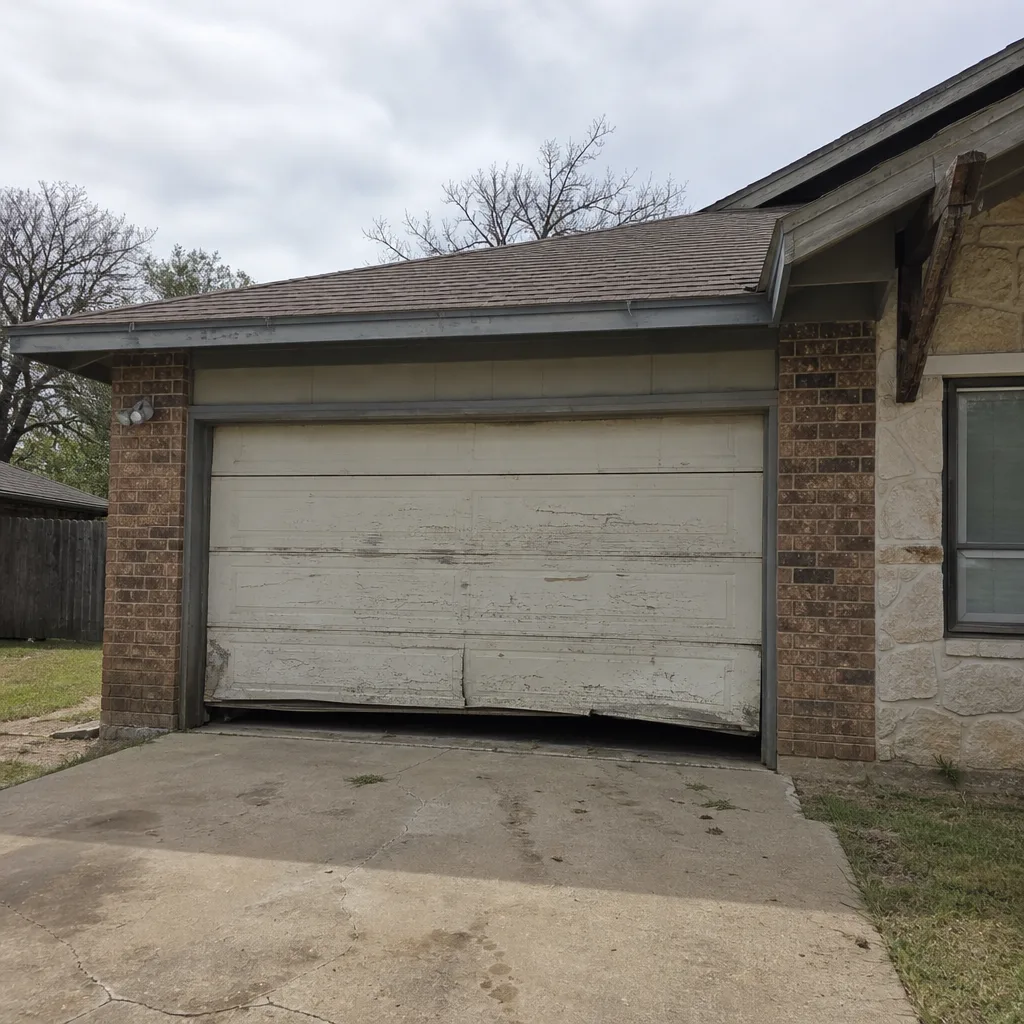 Before
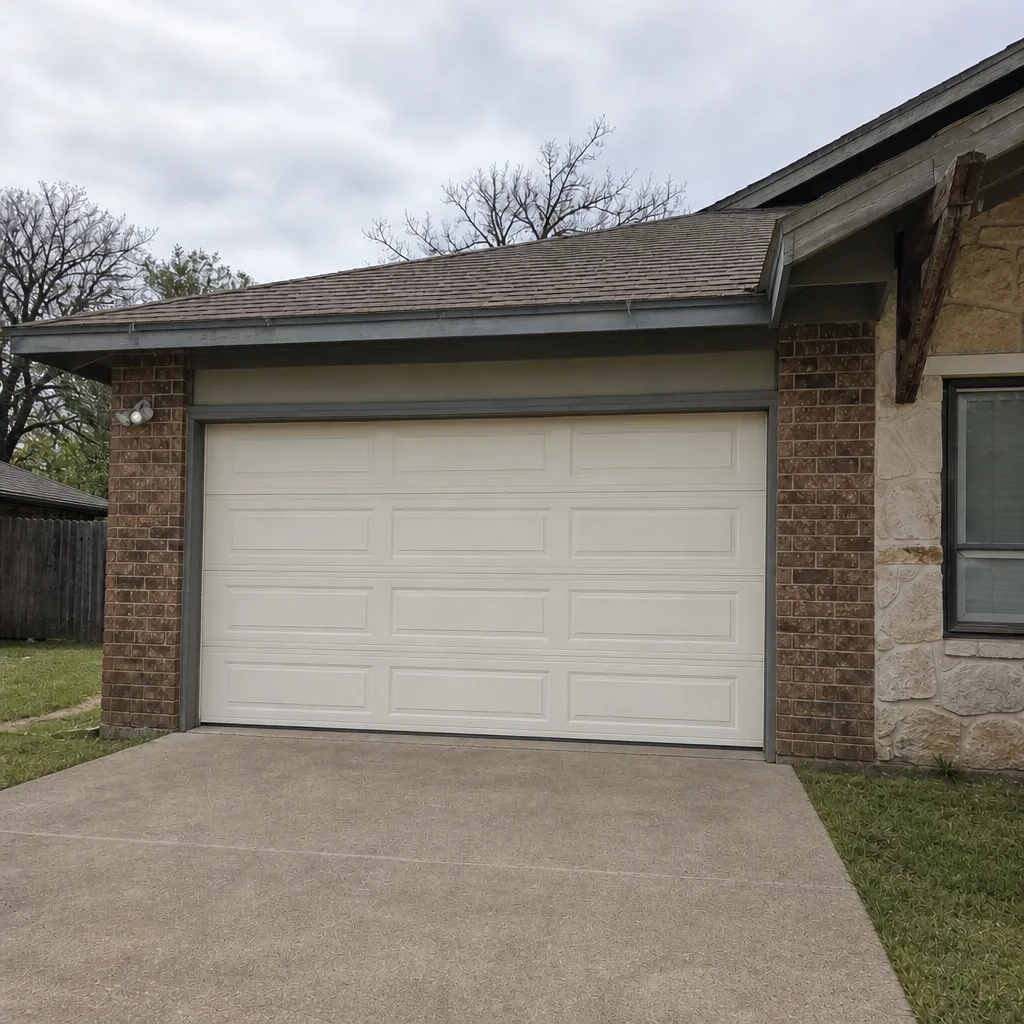 After
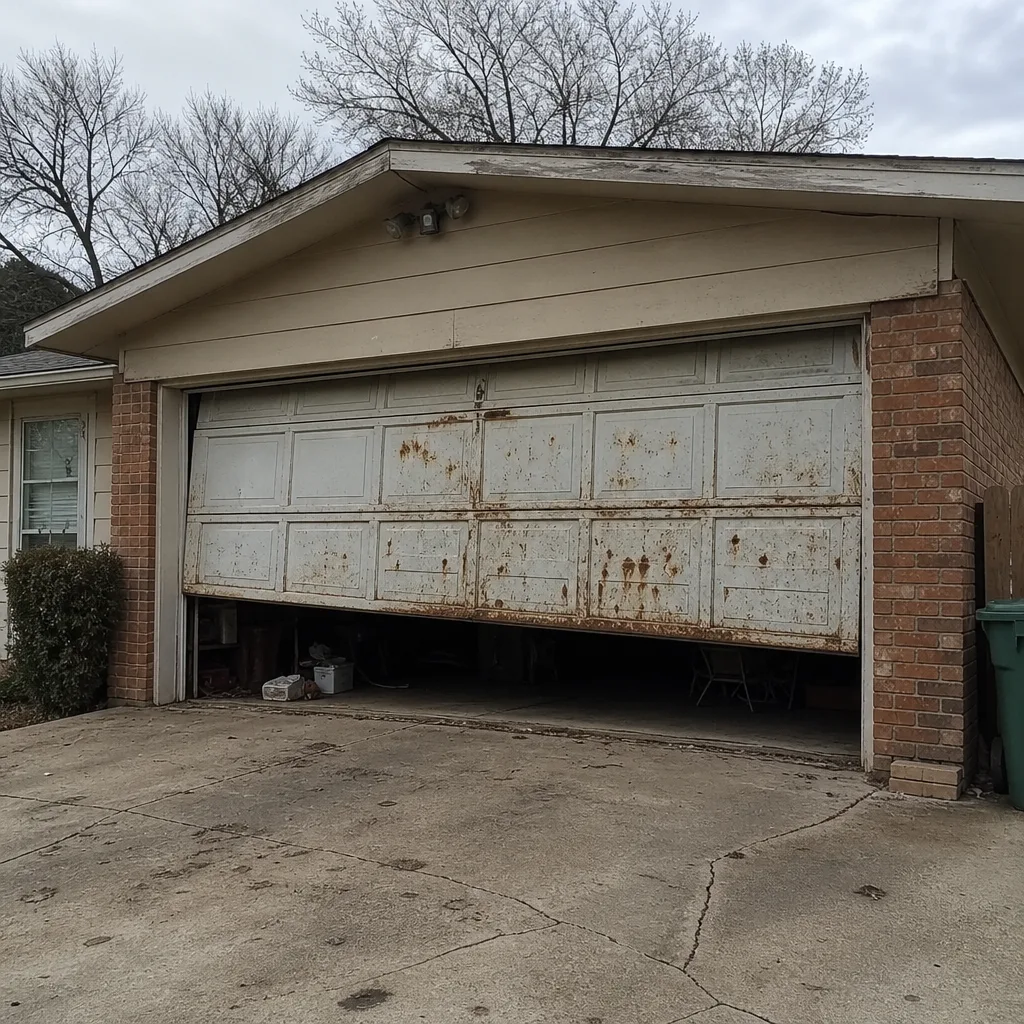 Before
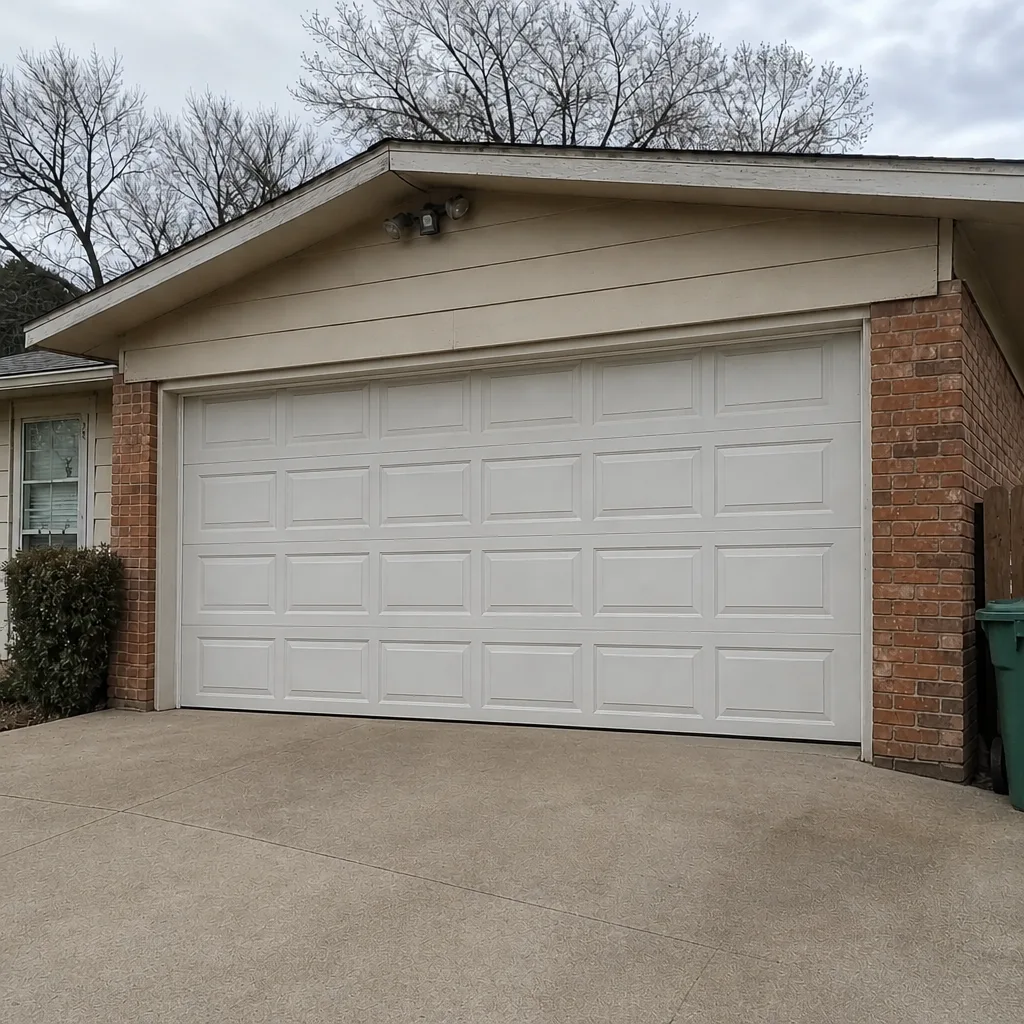 After
When to Call a Professional
Call a professional when a spring has broken, when the door is off its track, when a cable is loose or frayed, when the opener won’t respond after a power reset, or when the door reverses or binds. Also call if you’re unsure: a phone description can help you decide whether to leave the door down. Ramsey Garage Door Repair offers free estimates in San Angelo – call (833) 486-5004. We answer 24/7. Fast dispatch from 7am to 7pm, Sunday through Friday. If a question comes up on a Saturday, we’re closed that day, and we’ll book you into the next opening. Our technicians have up to 14 years of experience, and we service LiftMaster, Chamberlain, Genie, Clopay, Amarr, Wayne Dalton, Craftsman, and Raynor products. The price is quoted and agreed before any work starts, so there are no surprises on the invoice.
Frequently Asked Questions
Pull the manual release cord hanging from the opener trolley straight down to disengage the door, then lift it by hand. Prop it fully open before driving out. When power returns, close the door by hand and re-engage the trolley, then test a cycle. If the door is too heavy to lift, that points to a spring problem, so call for help rather than forcing it. Call (833) 486-5004 for an exact quote; estimates are free.
Keep the door down if it’s closed, or leave it alone if it’s up, and don’t try to lift or lower it by hand. Keep people and pets clear, and don’t attempt a spring replacement. Torsion springs are under high tension and can cause severe injury. Call a trained technician. Call (833) 486-5004 to schedule a look.
Only when the weather is calm. During high wind, keep the door fully closed, because a closed door sits at its strongest position in the tracks. Standard weatherstripping seals out dust and ordinary rain, not wind. Crack the door only in a calm power outage to let in light and air. Call (833) 486-5004 if the door is damaged after the storm.
Cosmetic damage is a dent or scuff that doesn’t change how the door moves; structural damage means the door is off its track, binding, sagging, or has a loose cable. Don’t operate a door with structural damage. If you’re unsure, leave it down and call (833) 486-5004 for an exact quote.
Have the door brand, the opener brand and model, the spring type (torsion or extension), a description of what the door is doing, and the power status. That lets us bring compatible parts and cut down on repeat visits. Call (833) 486-5004 and we’ll walk through it.
We service LiftMaster, Chamberlain, Genie, Clopay, Amarr, Wayne Dalton, Craftsman, and Raynor products, which covers the brands on most San Angelo homes. That lets us work on the brand you already have without pushing a replacement. Call (833) 486-5004 for a free estimate.
The Bottom Line
Two emergencies matter for a San Angelo garage door: storm damage and mechanical failure, and each has its own response. For mechanical failure, know your manual release and use it straight down. For a broken spring, leave the door alone and call a professional. In a storm, keep the door closed and understand that weatherstripping isn’t a wind seal. After a storm, sort cosmetic from structural before you cycle the door. Have your brands ready so a technician brings the right parts. Five minutes of prep now beats improvising at 11 PM. Call (833) 486-5004 for a free estimate. We answer 24/7, fast dispatch from 7am to 7pm, Sunday through Friday.
Written by the team at Ramsey Garage Door Repair.