
Last updated November 15, 2026
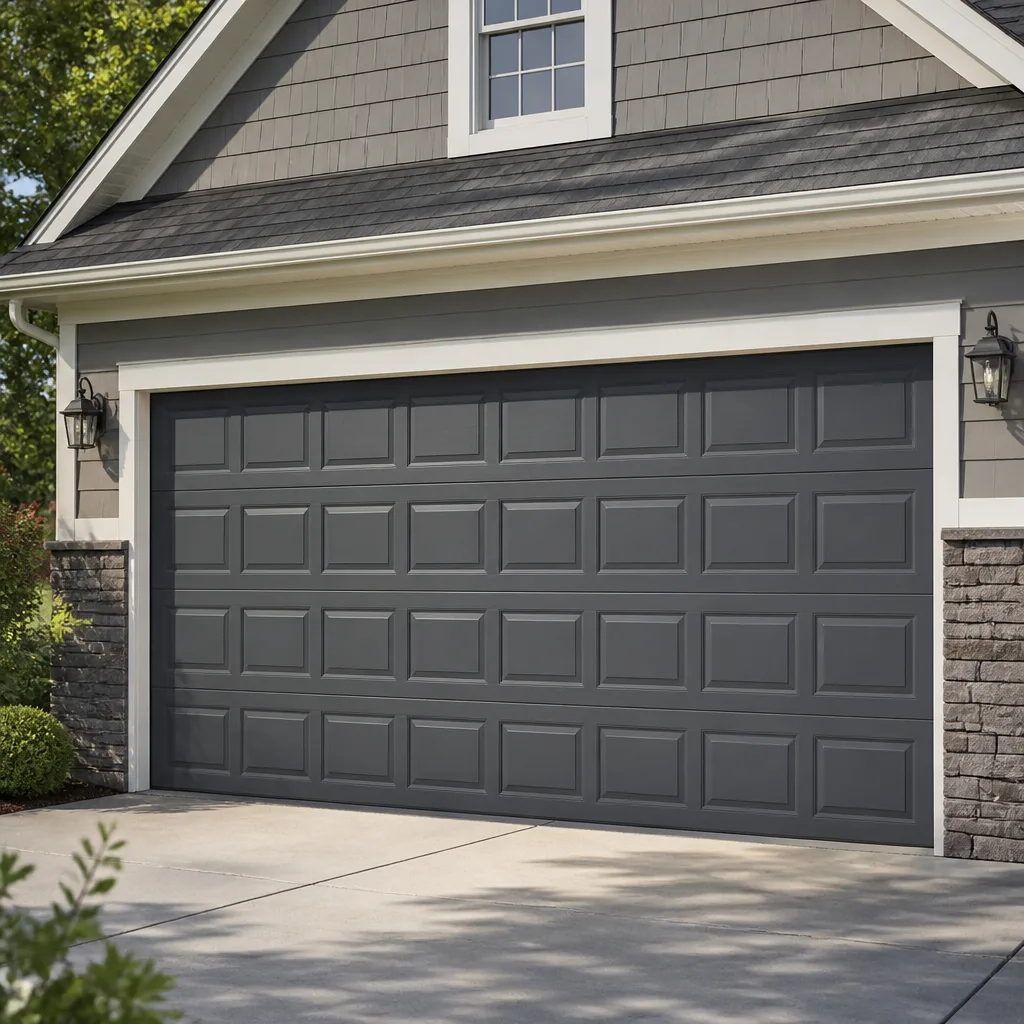 Raised-panel steel
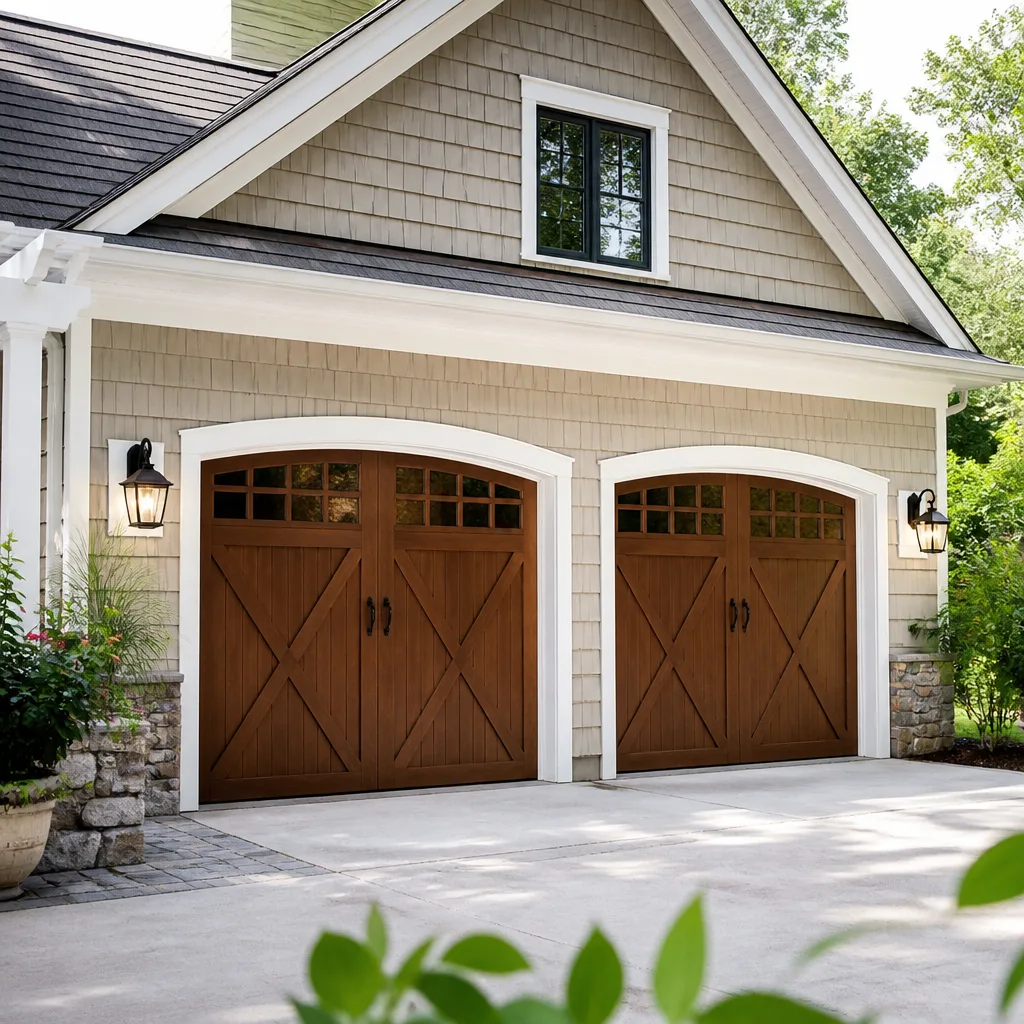 Carriage house
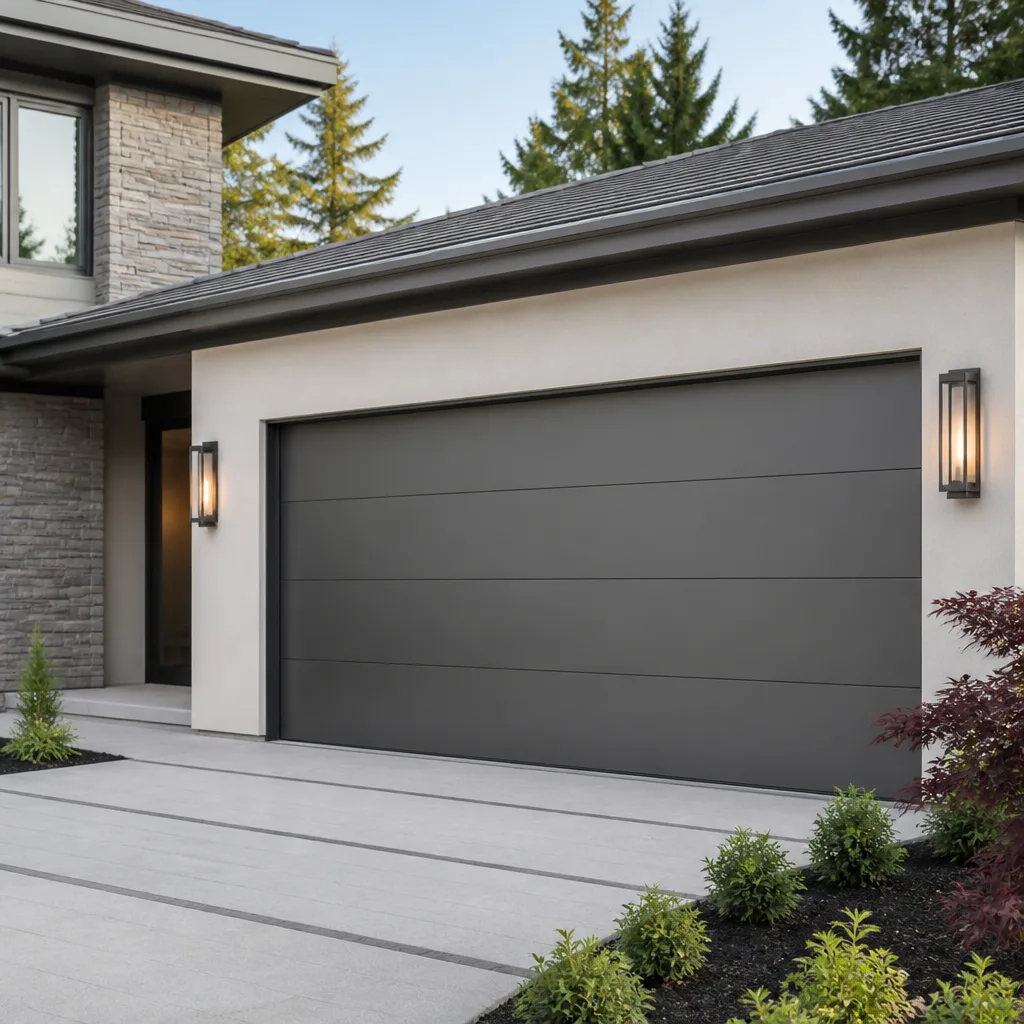 Modern flush
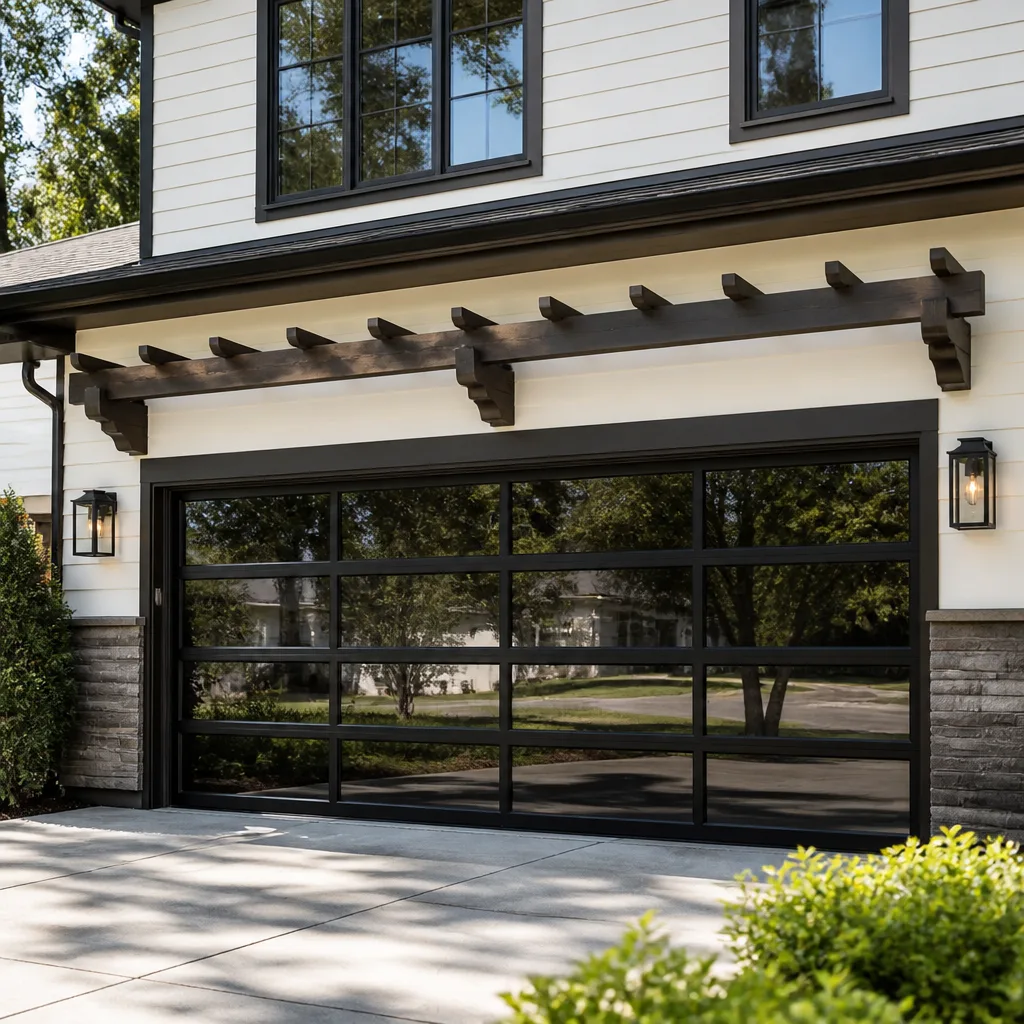 Full-view glass
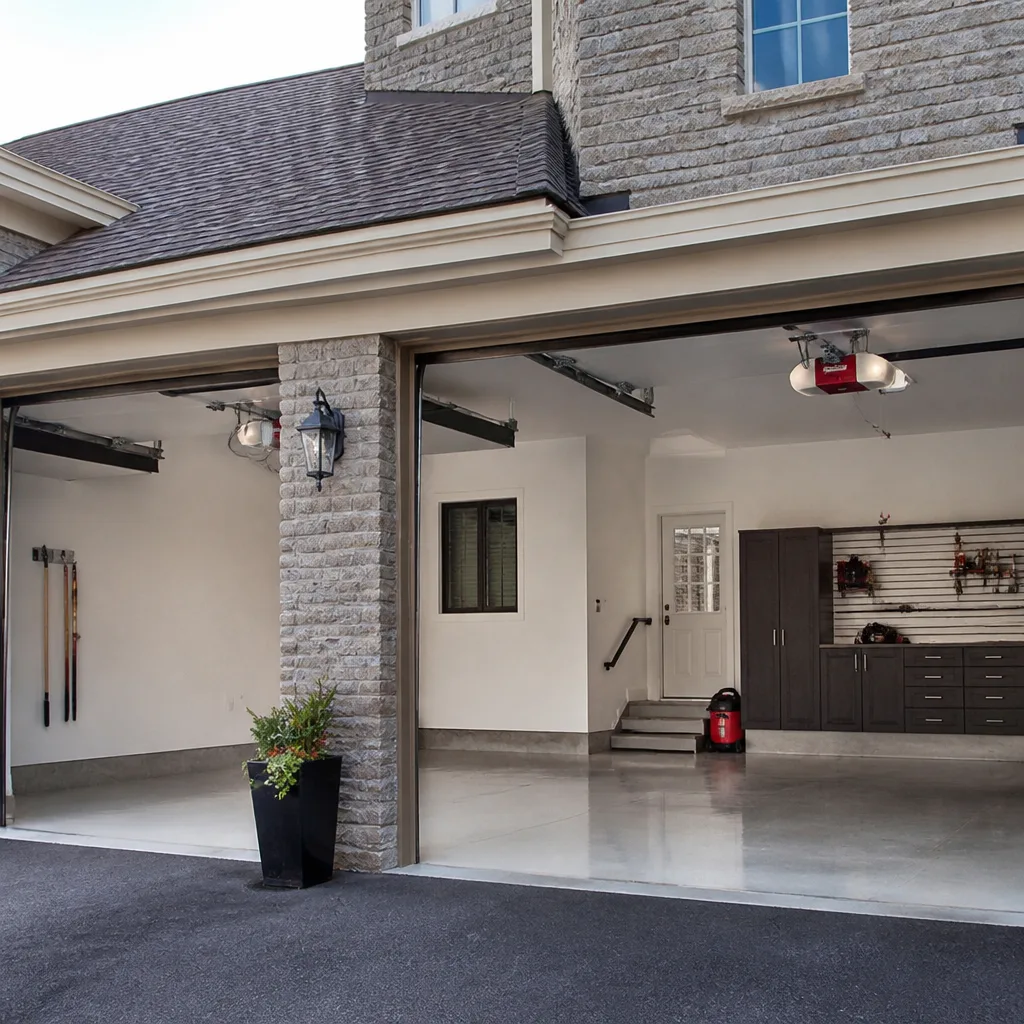 LiftMaster openers
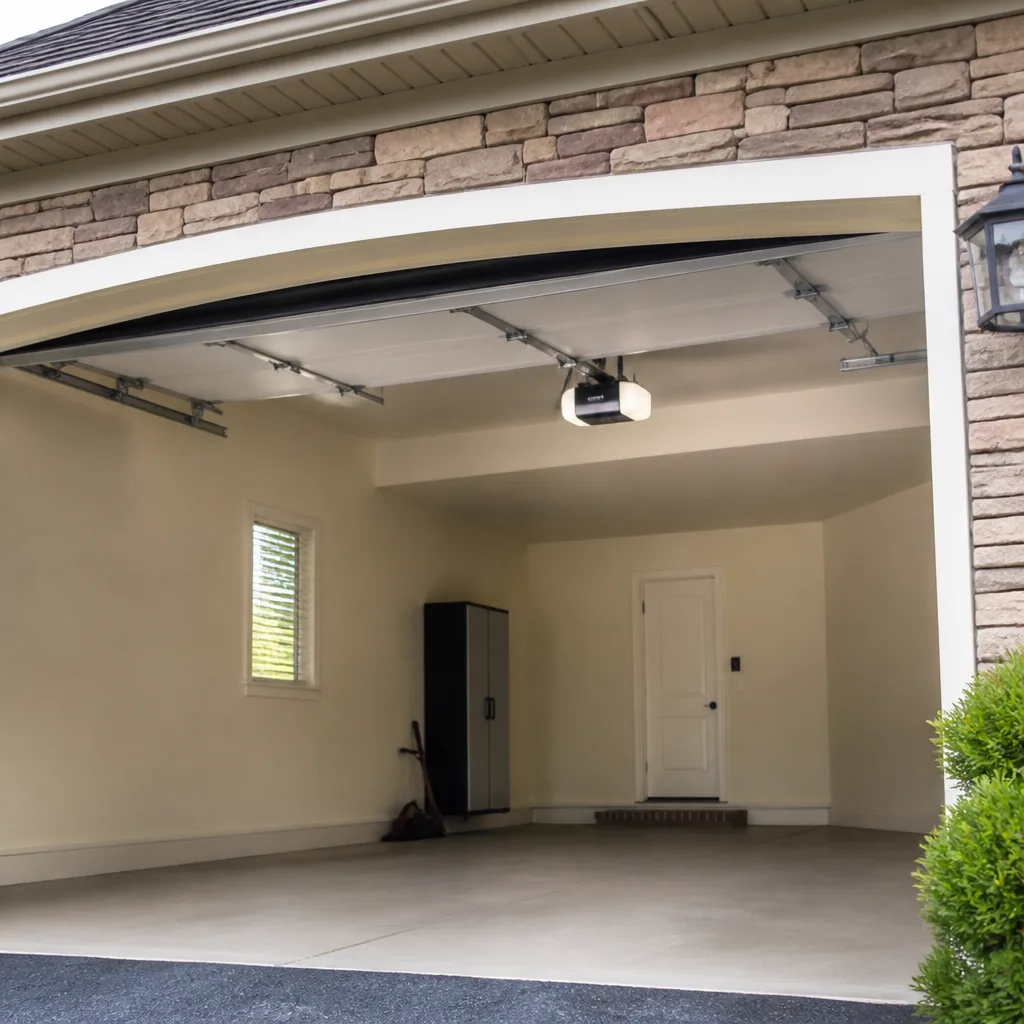 Chamberlain openers
Full 25-point door and opener safety check with every visit - springs, cables, rollers, tracks, and your LiftMaster or Chamberlain opener included
You get a price before we start. It does not change when the pro arrives.
Get your free estimateChoosing the Right Garage Door Brand: A Buyer’s Guide for San Angelo
The brand a contractor pushes hardest is usually the brand they have the best margin on, not the one that holds up best on a West Texas home. That’s the uncomfortable truth behind most garage door recommendations, and it’s why shopping by nameplate alone often leads San Angelo homeowners to the wrong door. We work on eight major brands, so we have no single product line to defend. This guide shows you how to read a door the way a multi-brand technician does: by steel gauge, insulation, coating, and parts availability, matched to this climate and your home’s configuration. By the end, you’ll know which questions separate a straight answer from a sales pitch.
Quick Answer
There is no single best garage door brand in San Angelo. The right choice depends on construction quality (steel gauge, insulation, and coating), local parts availability, and how the door fits your home. Clopay, Amarr, Wayne Dalton, and Craftsman all make doors that hold up well here when you pick the right build for the exposure, so compare specs instead of logos.
Styles & brands we work with
- Raised-panel steel
- Carriage house
- Modern flush
- Full-view glass
- LiftMaster openers
- Chamberlain openers
Table of Contents
- Why Brand Matters Less Than You Think
- How to Read a Garage Door Spec Sheet in San Angelo
- Construction Categories Explained: Single-Layer, Double-Layer, and Insulated Sandwich Panels
- Parts Availability: The Hidden Cost Factor
- Why Your Current Door’s Brand Shouldn’t Automatically Dictate Your Replacement
- Questions to Ask Any Contractor About a Brand Recommendation
- When Matching Brands Actually Matters
- How San Angelo’s Climate Shapes the Buying Decision
Why Brand Matters Less Than You Think
A garage door is mostly a stack of parts: panels, tracks, springs, rollers, hinges, and an opener. The brand on the nameplate tells you who assembled and sold that stack, but it doesn’t tell you the gauge of the steel, the thermal resistance of the insulation, or the quality of the UV coating on the finish. Two doors from the same manufacturer can sit at opposite ends of the durability spectrum depending on which build you choose.
In San Angelo, that gap matters. A door that faces the afternoon sun takes a beating that a shaded door never sees, and a builder-grade single-layer door will show that wear differently than an insulated sandwich panel from the same brand. We’ve worked on plenty of doors where the brand was fine and the specification was wrong for the job. We’ve also worked on plenty where the brand was unpopular and the build was excellent.
So the useful question isn’t “which brand is best.” It’s “which build from this brand fits this opening, this sun exposure, and this budget.” That reframing is the heart of this guide.
The other reason brand loyalty gets overweighted: it’s easy to market. A logo is a shorthand a homeowner can recognize, and it saves the buyer from learning what a 24-gauge steel face actually means. When a contractor leads with the logo instead of the spec, that’s usually a sign they’d rather you not ask about the spec.
Our whole approach at Ramsey Garage Door Repair comes from this: we work across LiftMaster, Chamberlain, Genie, Clopay, Amarr, Wayne Dalton, Craftsman, and Raynor, so the recommendation starts with your setup, not our margin.
How to Read a Garage Door Spec Sheet in San Angelo
Most homeowners never see the spec sheet, and that’s the first problem. Ask for it. A garage door spec sheet lists the construction details that actually determine how the door holds up, and three of those details matter more than the rest in this climate.
- Steel gauge. Lower numbers mean thicker steel. A 24-gauge face is common on builder-grade doors, while 25 and 26-gauge faces are thinner and more prone to denting from a stray basketball or a lawnmower wheel. For a door that sees daily use in a household with kids, thicker steel is worth asking about.
- Thermal resistance rating. Insulated doors carry an R-value, and higher is better for a garage that shares a wall with living space or gets used as a workshop. The rating only applies to the insulated portion, so ask how the manufacturer arrived at it.
- UV coating quality. West Texas sun is hard on paint and steel alike. Look for a factory-applied finish with a UV-resistant topcoat, and ask how the manufacturer handles finish warranty claims. A cheap finish fades and chalks within a few summers here.
A fourth item worth checking on any sectional door: the wind rating and reinforcement. San Angelo gets the spring and summer storms that come with this part of the state, and a door rated for higher wind pressure with proper strut reinforcement is a safer bet than one that isn’t. Ask the manufacturer or contractor what the door is rated for and how the rating was tested.
If you’re comparing two doors at similar prices, the spec sheet usually reveals the difference in one of these three areas. That’s where the value lives.
Construction Categories Explained: Single-Layer, Double-Layer, and Insulated Sandwich Panels
Garage doors come in three broad construction types, and the right one for your San Angelo home depends on where the door is and how the space behind it gets used.
Single-Layer Doors
One sheet of steel, often with a simple stamped pattern for rigidity. These are the lightest and least expensive option, and they’re common on older homes and detached garages where insulation isn’t a priority. They dent more easily and offer little thermal resistance, but they’re simple to repair and easy on the opener. If the garage is unconditioned storage and nobody spends time in it, a single-layer door can be a sensible choice.
Double-Layer Doors
A steel face backed by a layer of insulation board, usually polystyrene. This is the middle ground: better rigidity than single-layer, moderate thermal resistance, and a price that stays reasonable. Double-layer doors handle San Angelo’s heat better than single-layer because the insulation board stiffens the panel and reduces heat transfer into the garage.
Insulated Sandwich Panels
Steel on both faces with insulation injected or bonded between them. This is the sturdiest construction and the best thermal performer, and for a garage that shares a wall with a bedroom, a home office, or a workshop, it’s usually worth the step up. The panels are heavier, which puts more demand on springs and the opener, so the hardware needs to be matched to the door weight.
- Detached, unconditioned garage: single-layer or double-layer is usually enough.
- Attached garage used for storage: double-layer handles the heat and keeps the price in range.
- Attached garage with living space above or beside it: insulated sandwich panel pays back in comfort and noise reduction.
- West- or south-facing door with full afternoon sun: favor a thicker face and a factory-applied UV-resistant finish regardless of construction type.
When a door finally gives out, the natural call is garage door repair, and we’ll tell you honestly whether a rebuild or a replacement makes more financial sense.
Parts Availability: The Hidden Cost Factor
Here’s a factor almost nobody mentions in brand comparisons: how fast can a technician get the right part? A door that’s built well but relies on a proprietary panel or a special-order spring can turn a simple repair into a two-week wait. In San Angelo, where a garage is often the main entry point and the only storage for tools and gear, that delay has real cost.
Regional parts distribution separates the brands into two rough groups. The widely installed names, LiftMaster, Chamberlain, Genie, Clopay, Amarr, Wayne Dalton, Craftsman, and Raynor, tend to have parts available through regional distribution that reaches West Texas without a long lead time. That means common repairs, springs, rollers, hinges, cables, and opener components, can usually be handled without a special order. Less common brands or discontinued models often require a special order or a substitute part, and substitution is where mismatches creep in.
This is the practical reason brand familiarity matters to a service company. When we know a brand’s specs and parts conventions, we diagnose faster and we’re more likely to have the correct component the first time. That’s not brand loyalty; it’s logistics.
The same logic applies to openers. A motor unit, remote, or keypad failure is a different job from a door mechanical failure, which is why we treat garage door opener repair as its own specialty. If you want to understand more about how that service works, it’s worth reading up on it separately.
Ask any contractor you interview how they source parts for the brand they’re recommending. If they can’t tell you where the parts come from and how long a typical order takes, that’s information.
Why Your Current Door’s Brand Shouldn’t Automatically Dictate Your Replacement
Plenty of homeowners assume the new door has to match the old brand. Sometimes that’s true, but often it isn’t, and forcing a match can lock you into a build that isn’t right for your opening or budget.
Here’s how to think about it:
- Track and hardware compatibility. The door panels ride on tracks and hinges that are often brand-neutral. If the tracks are in good condition and sized correctly, most new doors can work with them, which saves money. If the tracks are damaged or undersized for a heavier insulated panel, they need to be replaced, and brand matching stops mattering.
- Opener integration. Your opener is the piece most tied to brand. A door that’s heavier than the current opener can handle may require an opener upgrade, and openers have their own compatibility rules for remotes, keypads, and smart-home connections. This is the case where the brand question genuinely matters.
- Panel-by-panel replacement. If only one or two panels are damaged and the rest are sound, matching the existing brand and model is usually the cleanest path. A different brand’s panel won’t match the profile, color, or texture reliably, and the difference will show.
If you’re weighing a repair against a full replacement, the honest answer depends on the age of the door, the condition of the springs and tracks, and whether the current door meets your insulation and wind-rating needs. Repair-first is our default; replacement only when it makes sense.
Questions to Ask Any Contractor About a Brand Recommendation
The way a contractor answers a brand question tells you a lot about who you’re working with. These are the questions we’d want a customer to ask us, and the answers to watch for.
- “Why this brand specifically?” A straight answer mentions spec, parts availability, or fit. A runaround mentions relationships, promotions, or “it’s what we use.”
- “What’s the steel gauge and insulation on this door?” If they can’t tell you without checking the spec sheet, that’s a red flag on a job this size.
- “What’s the parts lead time on this brand?” A good answer names a realistic timeline and where the parts come from.
- “Will you work on my existing door if I decide to repair instead?” A brand-agnostic service company says yes. A company that only installs one line will steer you toward replacement.
- “What’s the written estimate and what does it cover?” The price should be quoted and agreed before any work starts, and the written estimate sets the final price.
- “What happens if the door needs a part that isn’t standard?” The answer should be clear and honest, not “we’ll figure it out.”
- “Are the technicians licensed and insured?” This is basic, and the answer should be immediate.
Compare three contractors if you can. The way each handles these questions will tell you more than a brochure ever will.
When Matching Brands Actually Matters
We’ve argued that brand loyalty is overrated, but there are real cases where matching matters, and it’s worth naming them so you don’t swing too far the other way.
- Panel replacement on a door with life left. If the door is otherwise sound and you need one or two panels, matching the existing brand and model is the only way to get a clean visual and structural match.
- A recent opener install. If your opener was installed recently and is still under warranty, a door that’s compatible with it saves you from replacing a good unit. Opener compatibility is a real constraint.
- Warranty terms. Some manufacturers require their own parts for warranty validity, so check the fine print before substituting.
- Aesthetic continuity. On a street-facing home where the door is a prominent part of the façade, matching the existing profile and color matters to resale.
For brand-new installations, though, matching stops mattering. That’s the point where you’re free to pick the build, and the logo is just a label. Our San Angelo installation work covers the full design and sourcing process, and we’d rather show you three builds at different price points than steer you to one brand.
How San Angelo’s Climate Shapes the Buying Decision
San Angelo sits in West Texas, where summers bring sustained heat and UV exposure and winters stay mild. Snow and ice aren’t the story here; sun and heat are. That changes what to prioritize:
- Finish durability. A factory-applied UV-resistant topcoat matters more than the finish warranty sheet suggests, because a faded door is a permanent cosmetic problem here.
- Thermal performance. A hot garage heats the adjacent rooms and makes storage spaces uncomfortable. Insulation helps, especially on a door facing the afternoon sun.
- Wind reinforcement. Spring and summer storms bring wind pressure on doors, and a door with proper strut reinforcement and a wind rating is safer than one without.
- Spring hardware. Heavier doors put more load on springs, so insulated sandwich panels should come with springs rated for the door’s weight. We can’t cover the risks of working on high-tension springs safely, and we recommend trained professionals for any spring work.
A door that’s a great fit in a cooler, shaded climate can be the wrong choice on a west-facing San Angelo wall. Match the build to the exposure.
Common Mistakes to Avoid
- Choosing by brand alone. The logo tells you almost nothing about steel gauge or insulation. Ask for the spec sheet.
- Assuming a current brand must match a replacement. Track and hardware are often brand-neutral, and forcing a match can cost more than it saves.
- Ignoring parts availability. A well-built door with a long parts lead time can strand your garage for weeks when something fails.
- Skipping the wind rating. A door without proper reinforcement in a storm-prone part of Texas is a risk you don’t need.
- Letting an installer pick for you without a second opinion. Get the recommendation in writing with the spec, then compare it against another quote.
- Underinsulating a west-facing door. Full afternoon sun makes a builder-grade single-layer door a poor fit on exposed walls.
- Skipping the written estimate. The written estimate should set the final price, and it should be quoted and agreed before any work starts.
See the difference
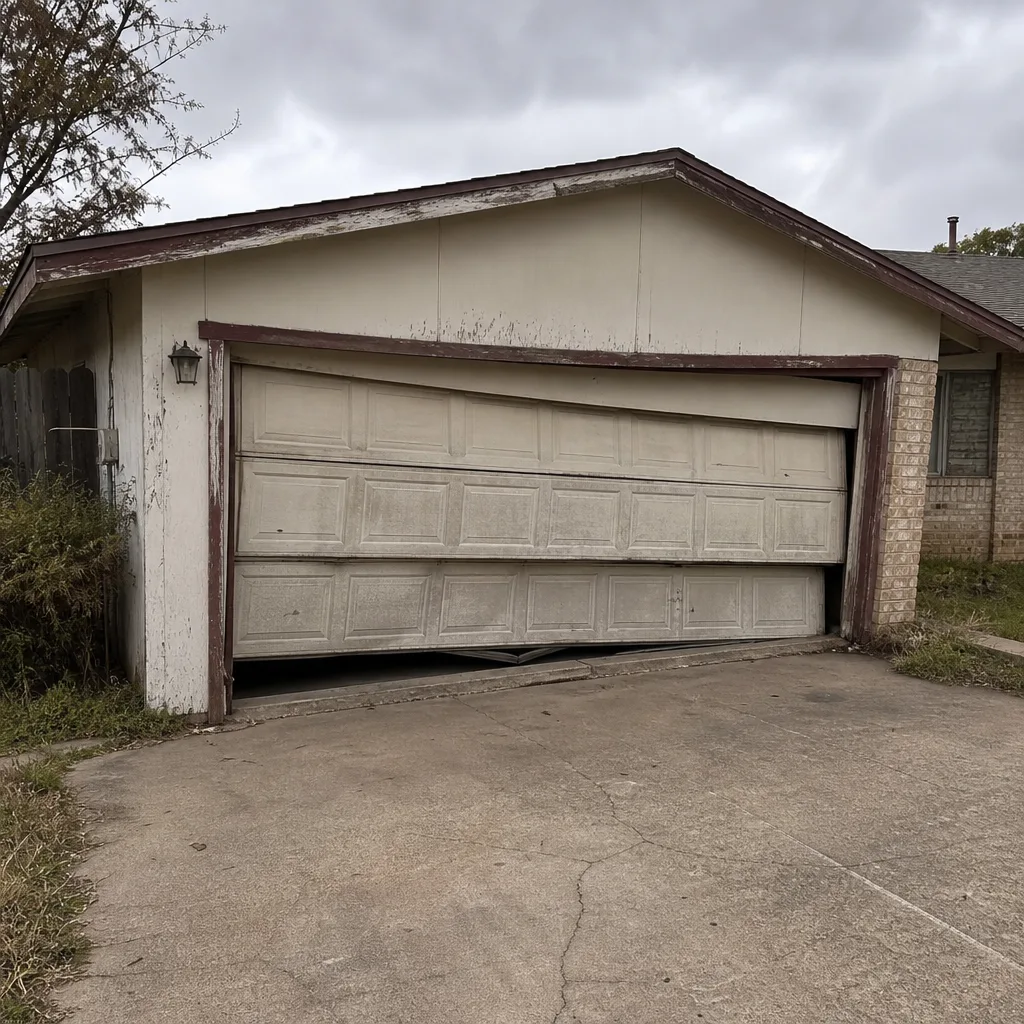 Before
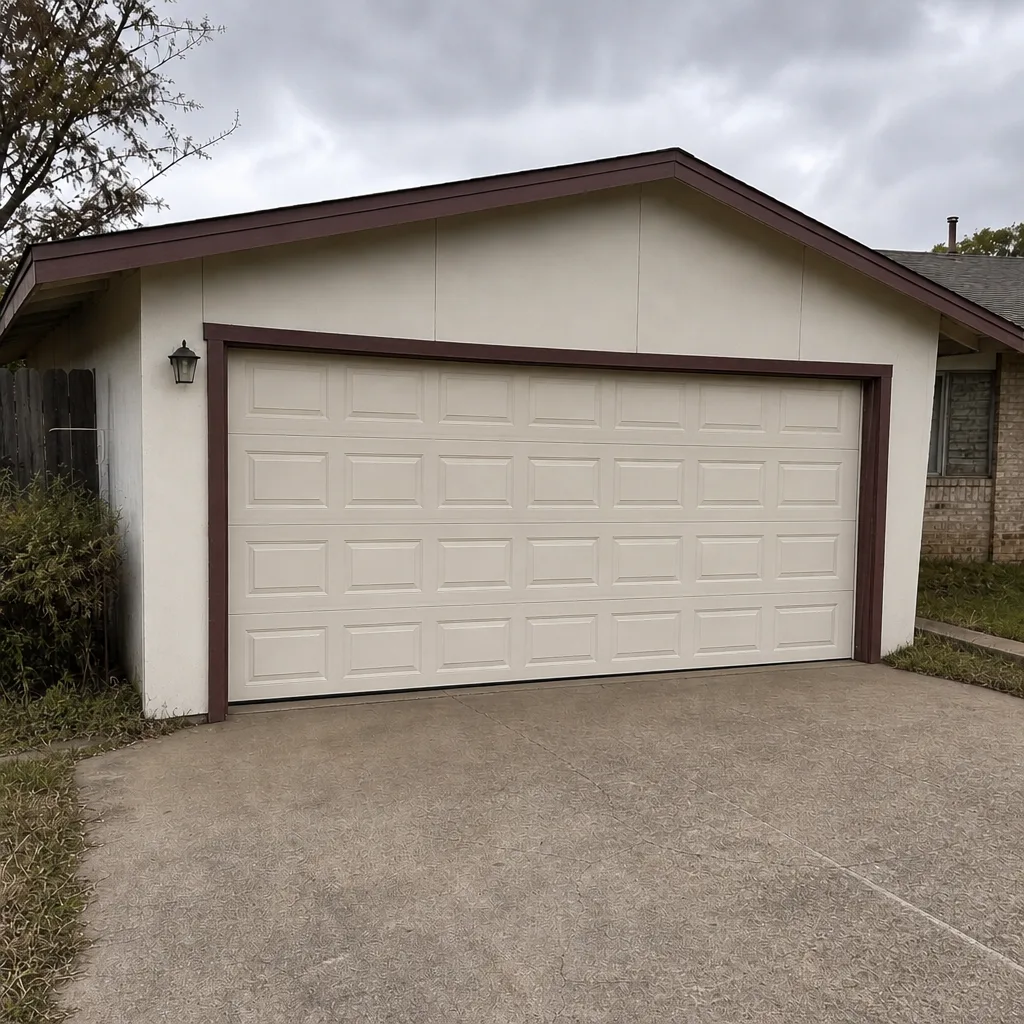 After
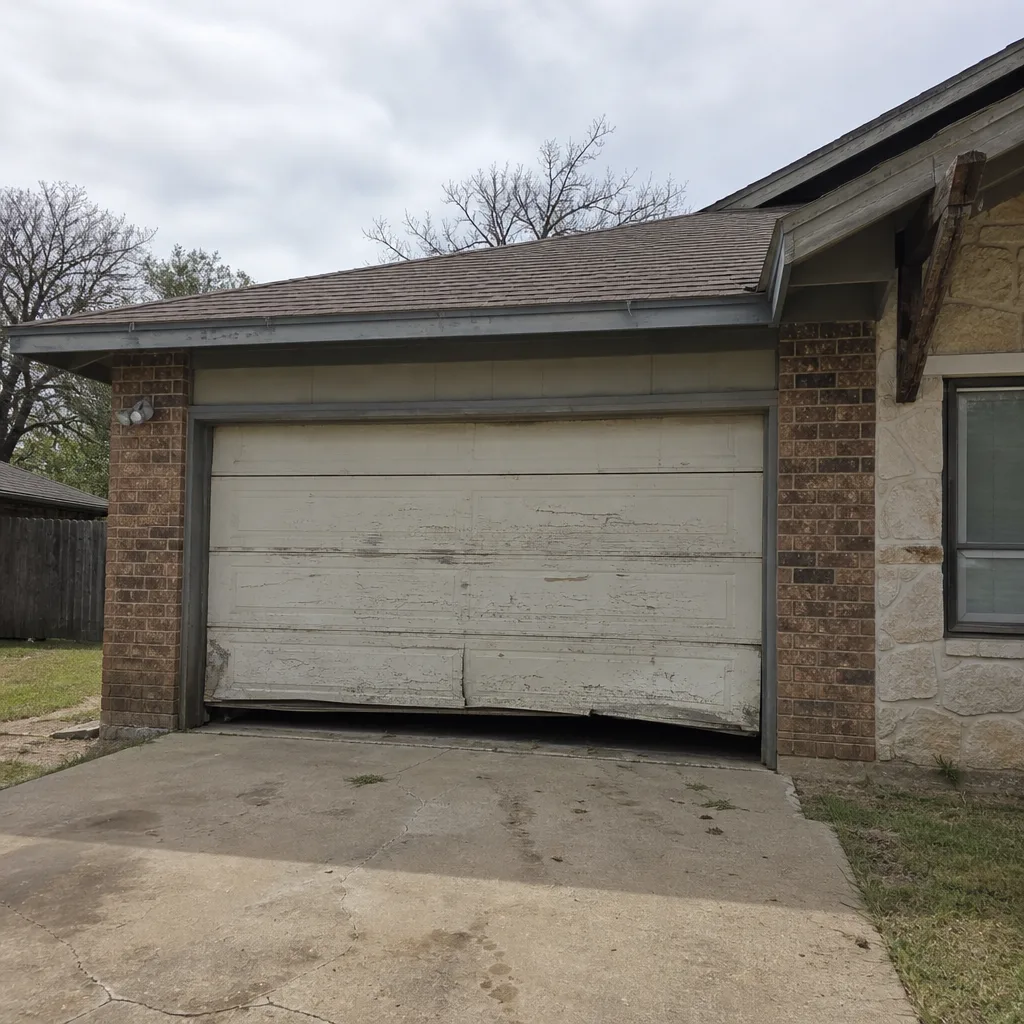 Before
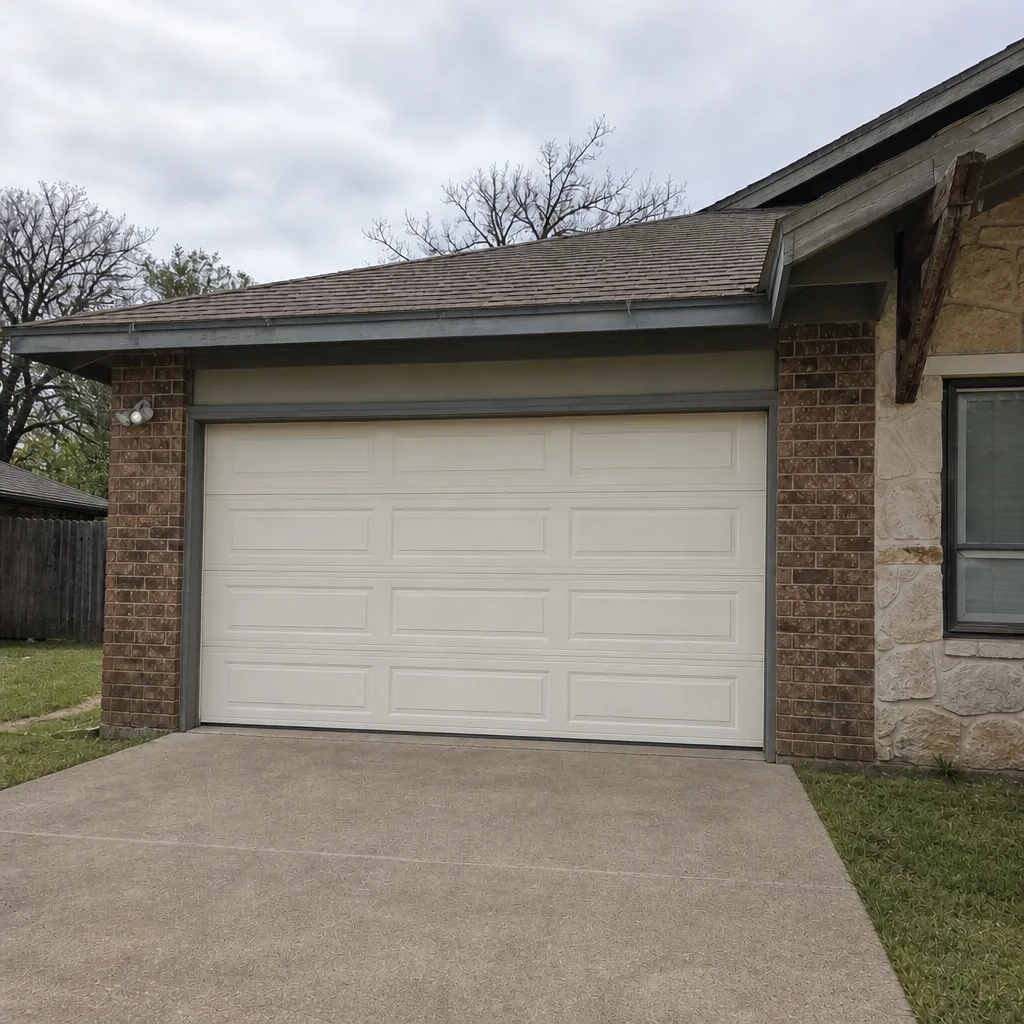 After
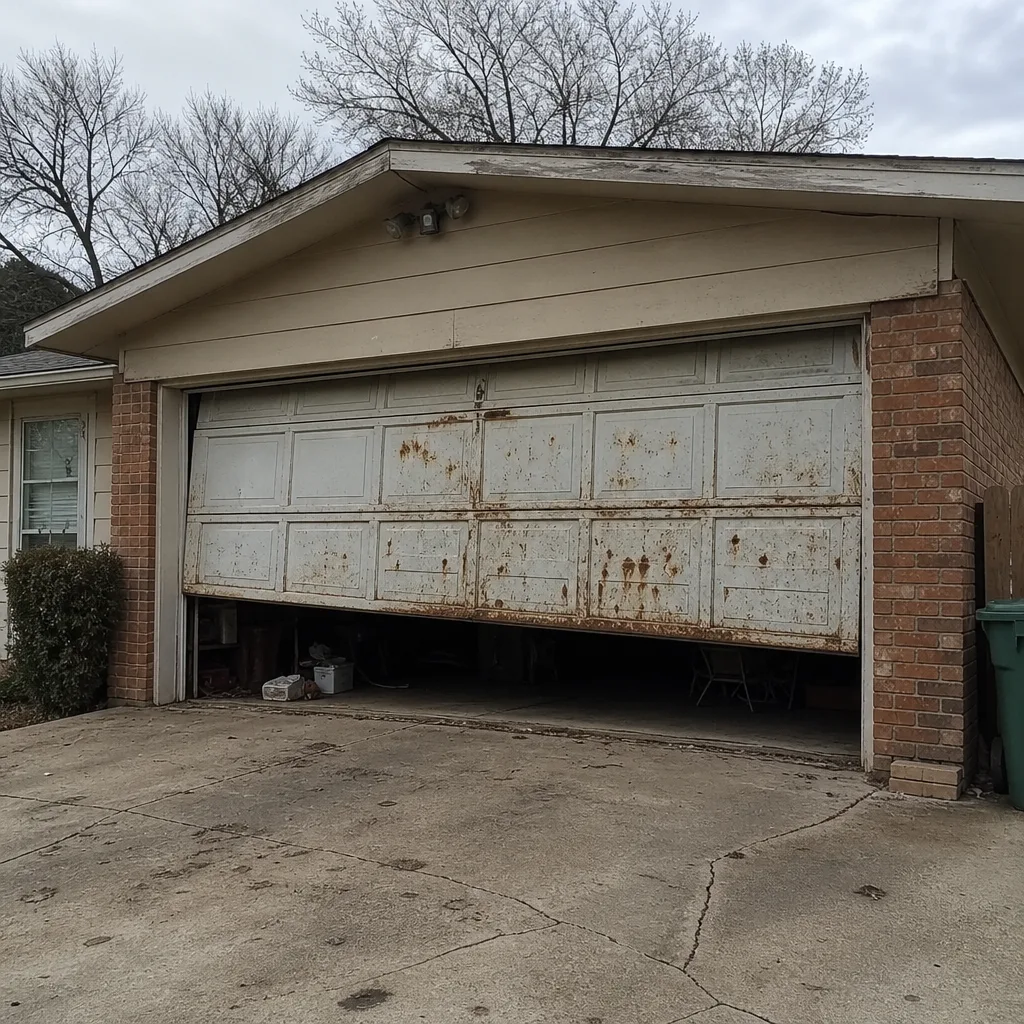 Before
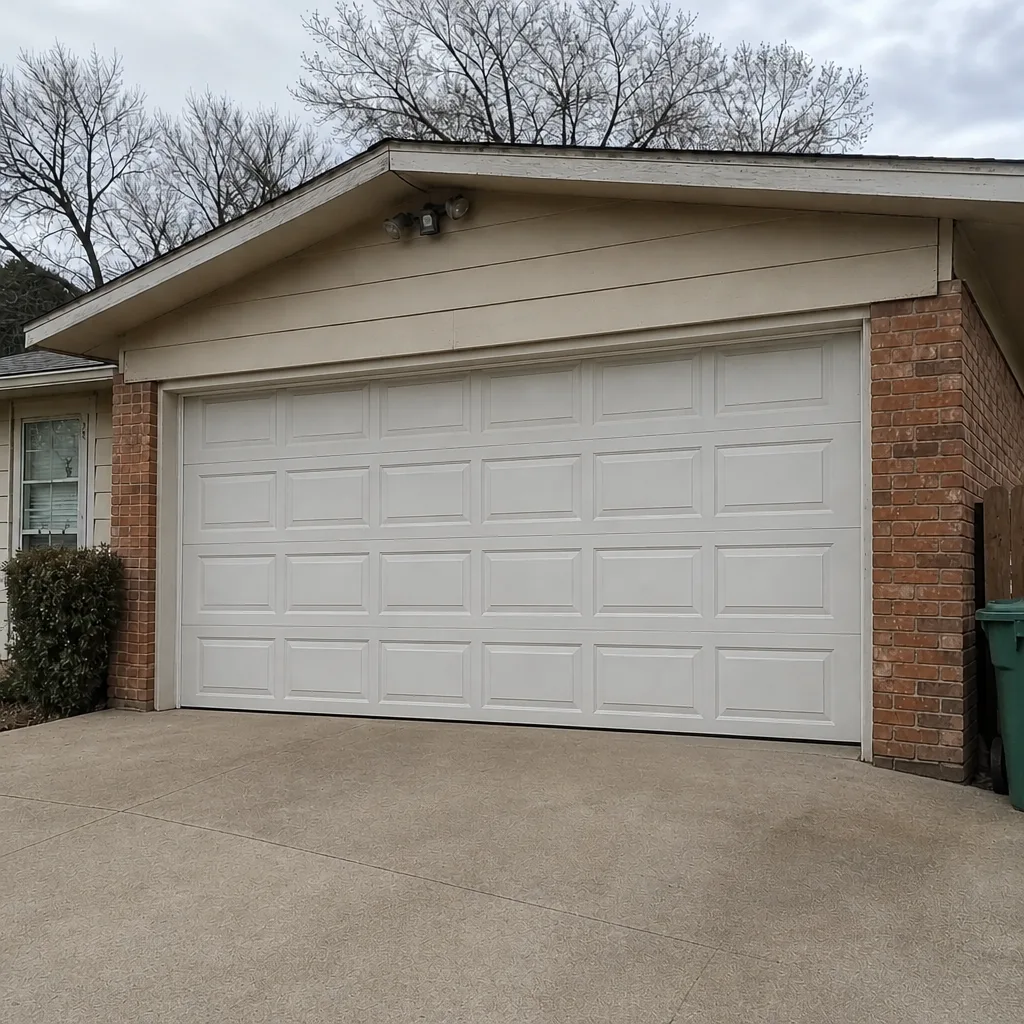 After
When to Call a Professional
A few situations warrant a call before you commit to anything. If your door is stuck open or closed, if the springs are visibly damaged or the door feels heavy and won’t stay put, or if the opener runs but the door doesn’t move, stop and call. Springs and cables are high-tension components, and they’re dangerous to touch without the right tools and training. If you’re comparing brands or builds and want an honest read on your existing setup, that’s also a call we welcome. Our technicians have up to 14 years of experience, and we work across eight major brands. Ramsey Garage Door Repair offers free estimates in San Angelo. Call (833) 486-5004. We answer 24/7. Fast dispatch from 7am to 7pm, Sunday through Friday.
Frequently Asked Questions
Clopay, Amarr, Wayne Dalton, and Craftsman all make doors that hold up well here, but the better question is which build fits your wall, sun exposure, and budget. Compare steel gauge, insulation, and parts availability before you compare logos.
No, unless you’re replacing individual panels on a door with life left. For a full replacement, the tracks and hardware are often brand-neutral, and only the opener integration usually constrains the choice. Call (833) 486-5004 for an exact recommendation.
Ask for the thermal resistance rating and how it was measured. A door that shares a wall with living space or gets used as a workshop warrants more insulation than a detached, unconditioned garage. If you’re unsure, a free estimate will help you decide.
It can, if parts are hard to source or the finish fails early under West Texas sun. A slightly higher price on a door with better coating and wider parts availability often pays back. Call (833) 486-5004 to compare builds.
Yes. We install across eight major brands, so the door and the work don’t have to come from the same place. What matters is that the door and hardware are matched to your opening and opener.
Margin is one reason; brand familiarity is another. A straight answer mentions spec and parts availability, while a runaround mentions relationships. Comparing two or three quotes is the best way to separate them.
The Bottom Line
Brand selection matters less than the specification behind the nameplate. In San Angelo, the factors that actually affect how a door performs are steel gauge, thermal resistance, UV-resistant finish, wind reinforcement, and parts availability. Match those to your home’s configuration and exposure, and any of the well-established brands will serve you well. Ask any contractor why they’re recommending a specific door, ask for the spec sheet, and get the estimate in writing. That’s how you buy a door with confidence.
Written by the team at Ramsey Garage Door Repair.