
Last updated November 15, 2026
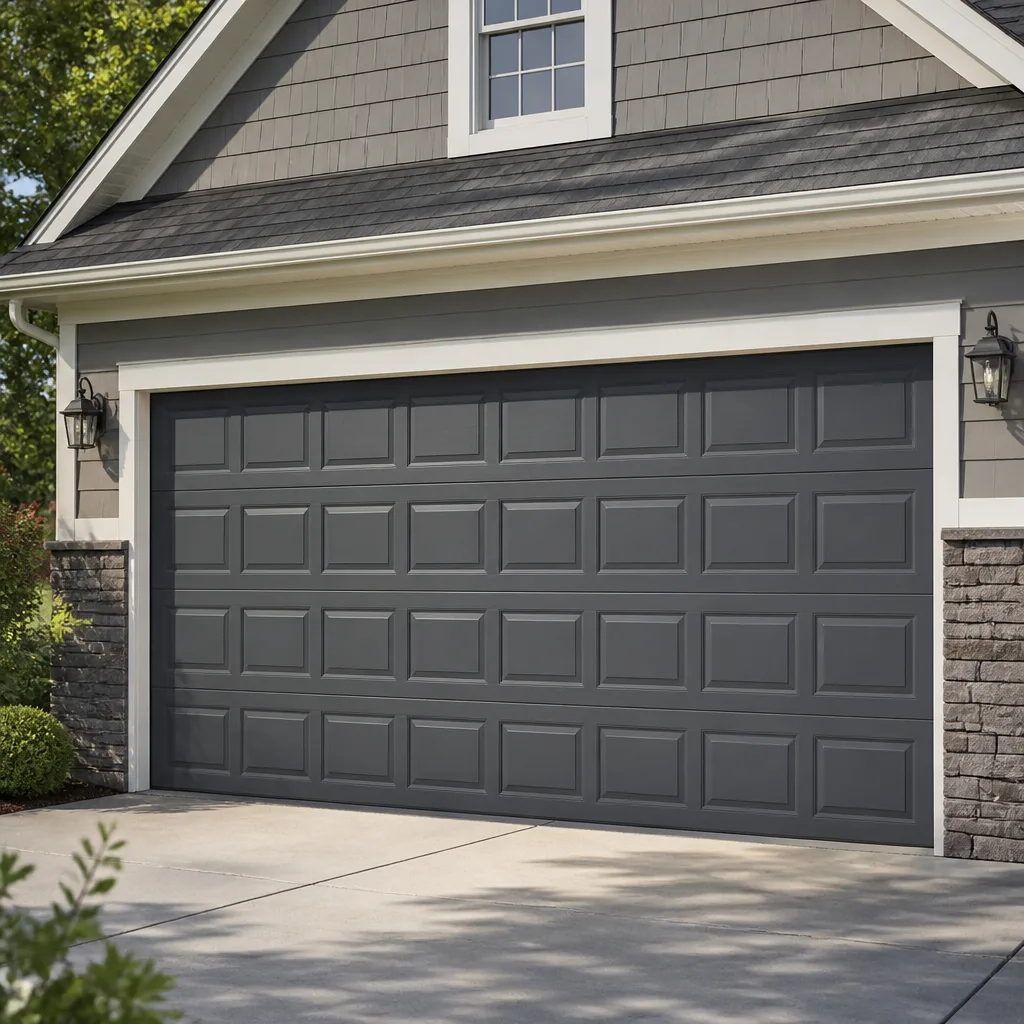 Raised-panel steel
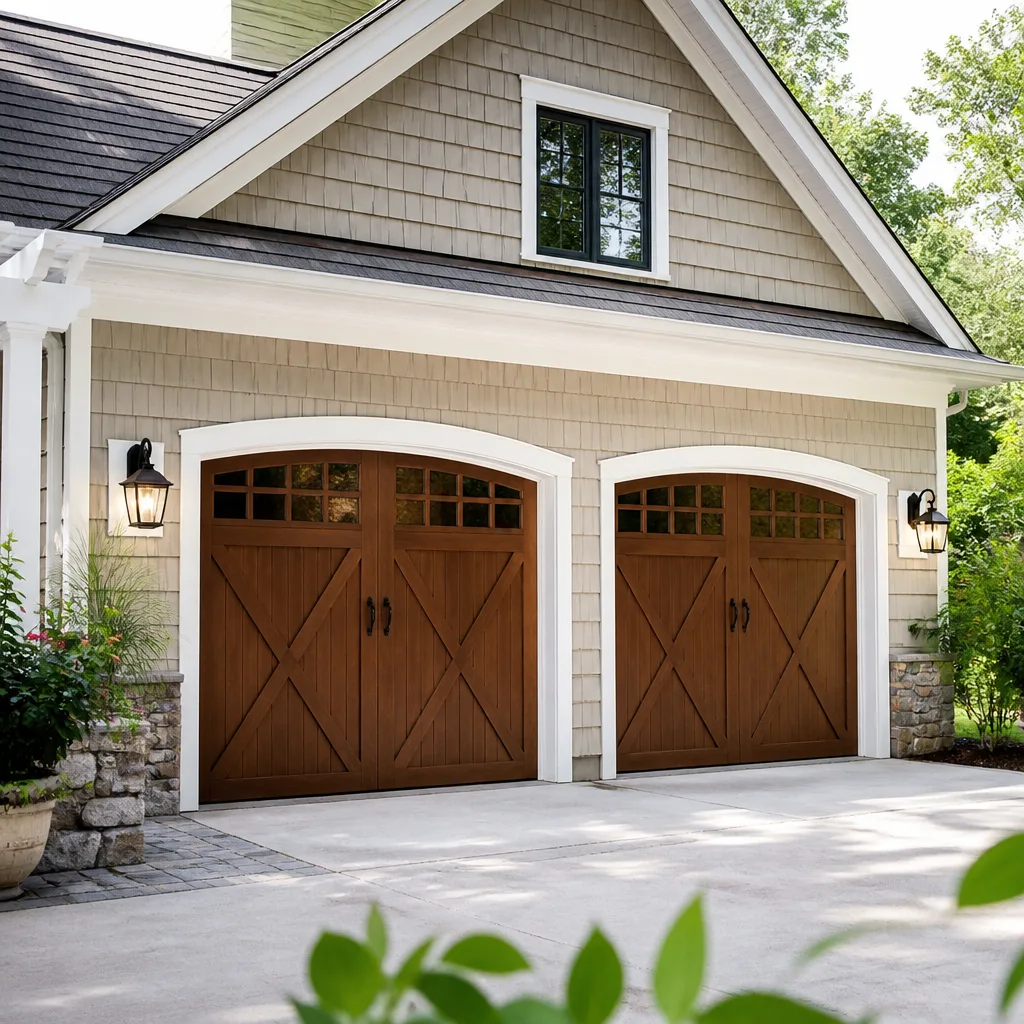 Carriage house
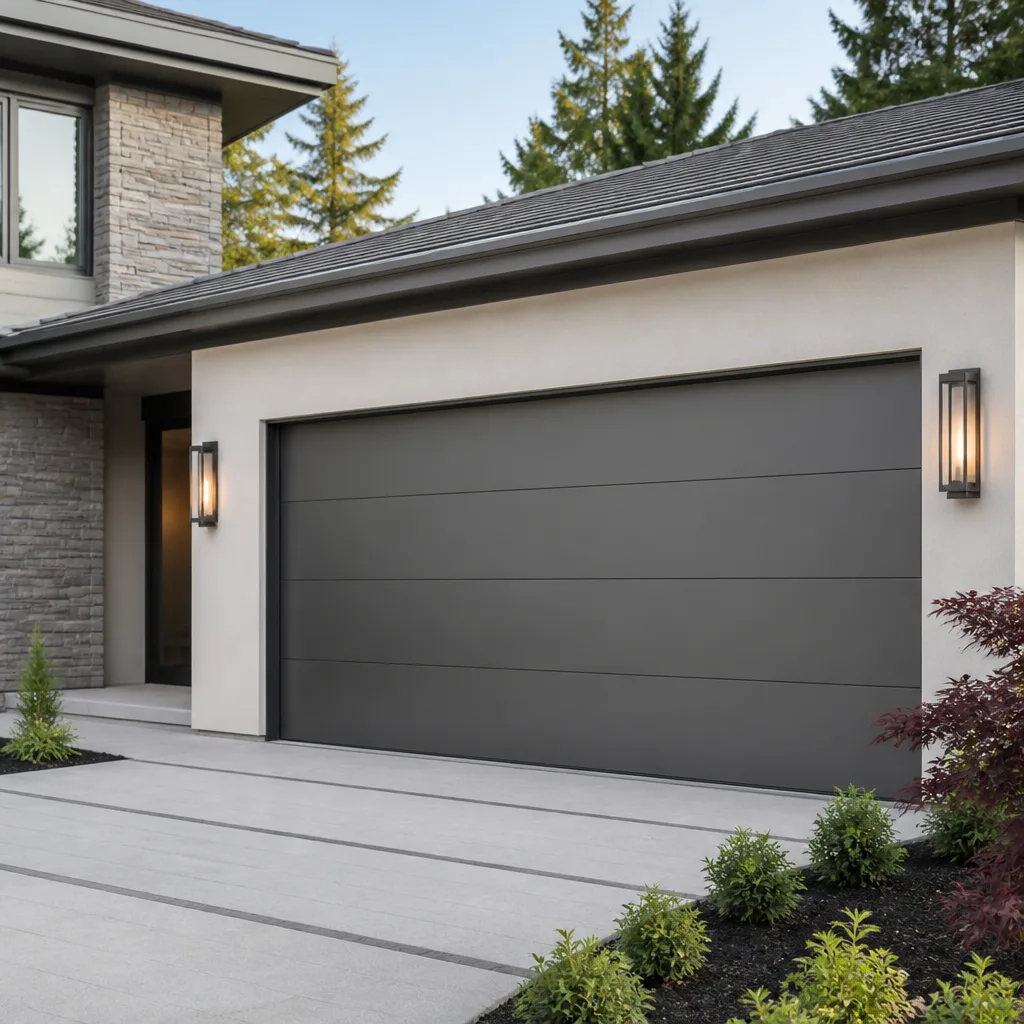 Modern flush
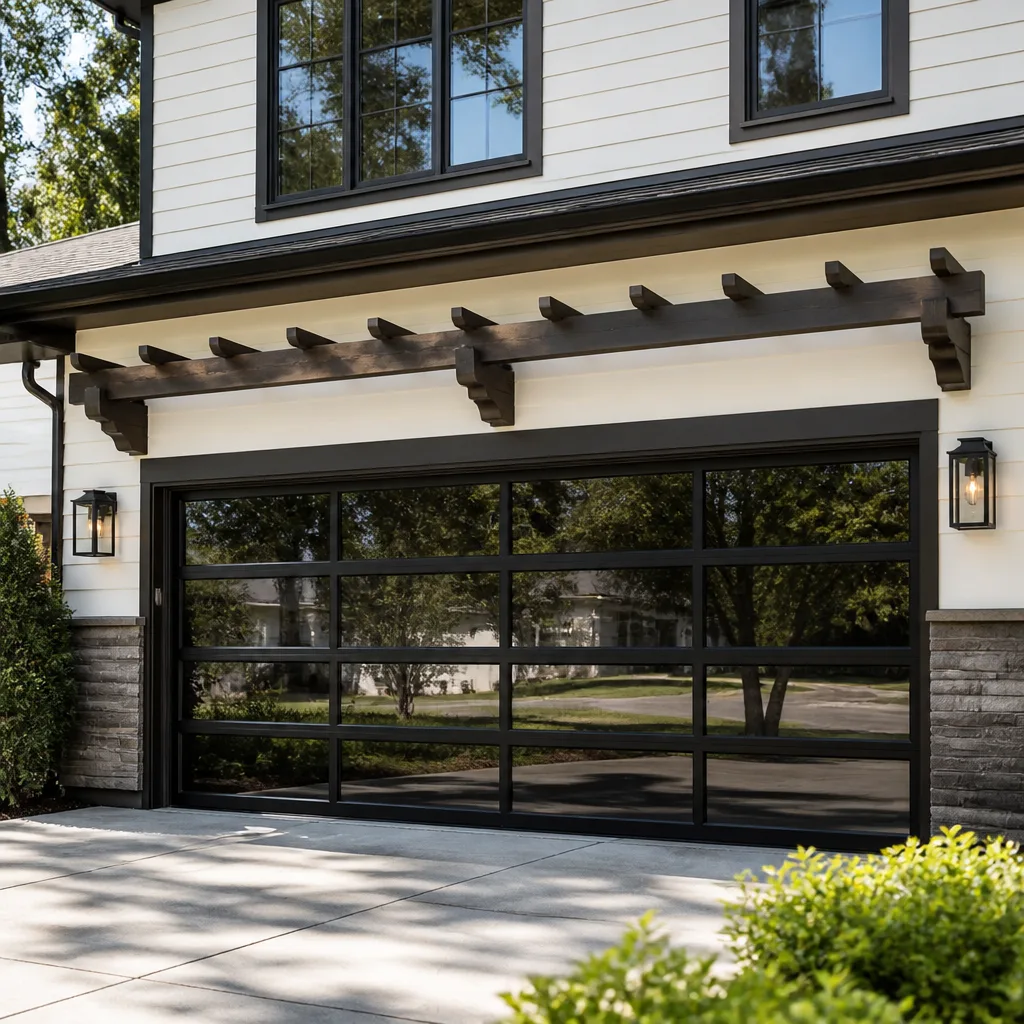 Full-view glass
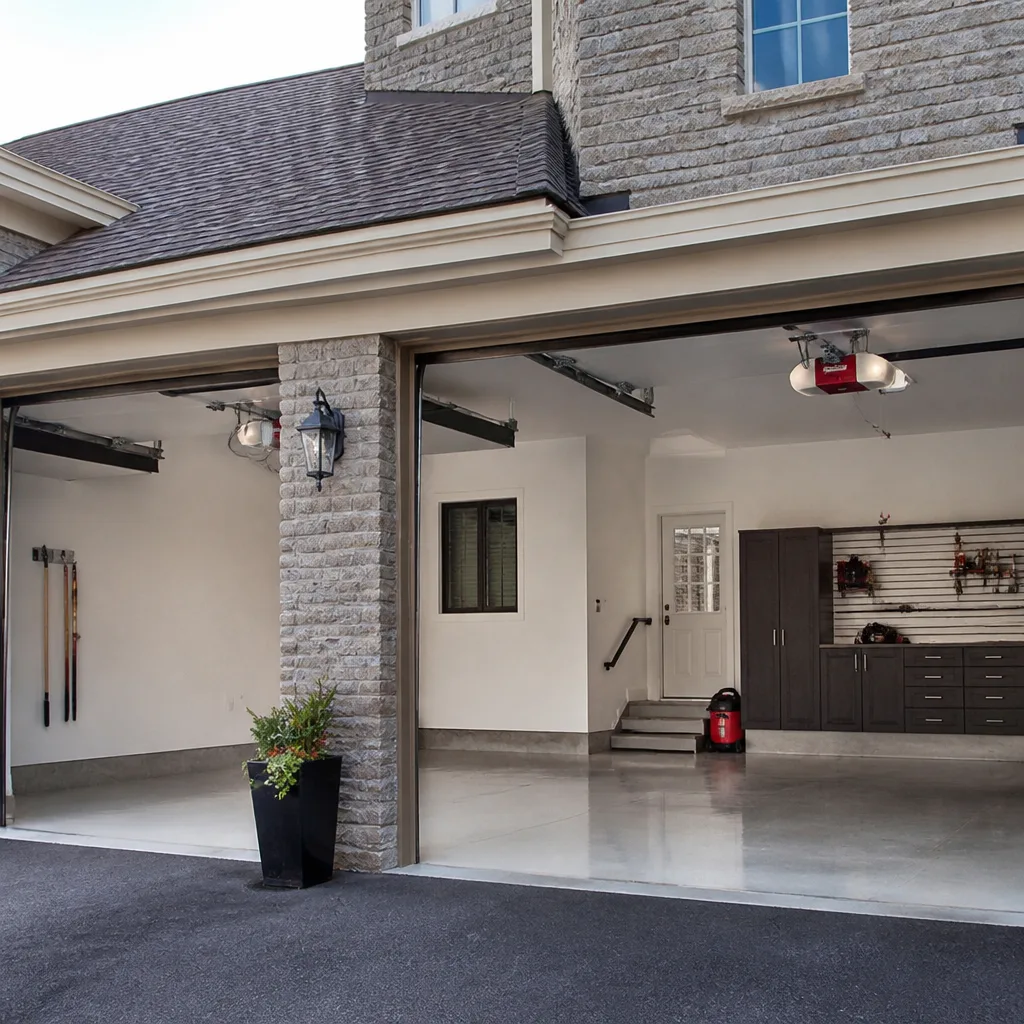 LiftMaster openers
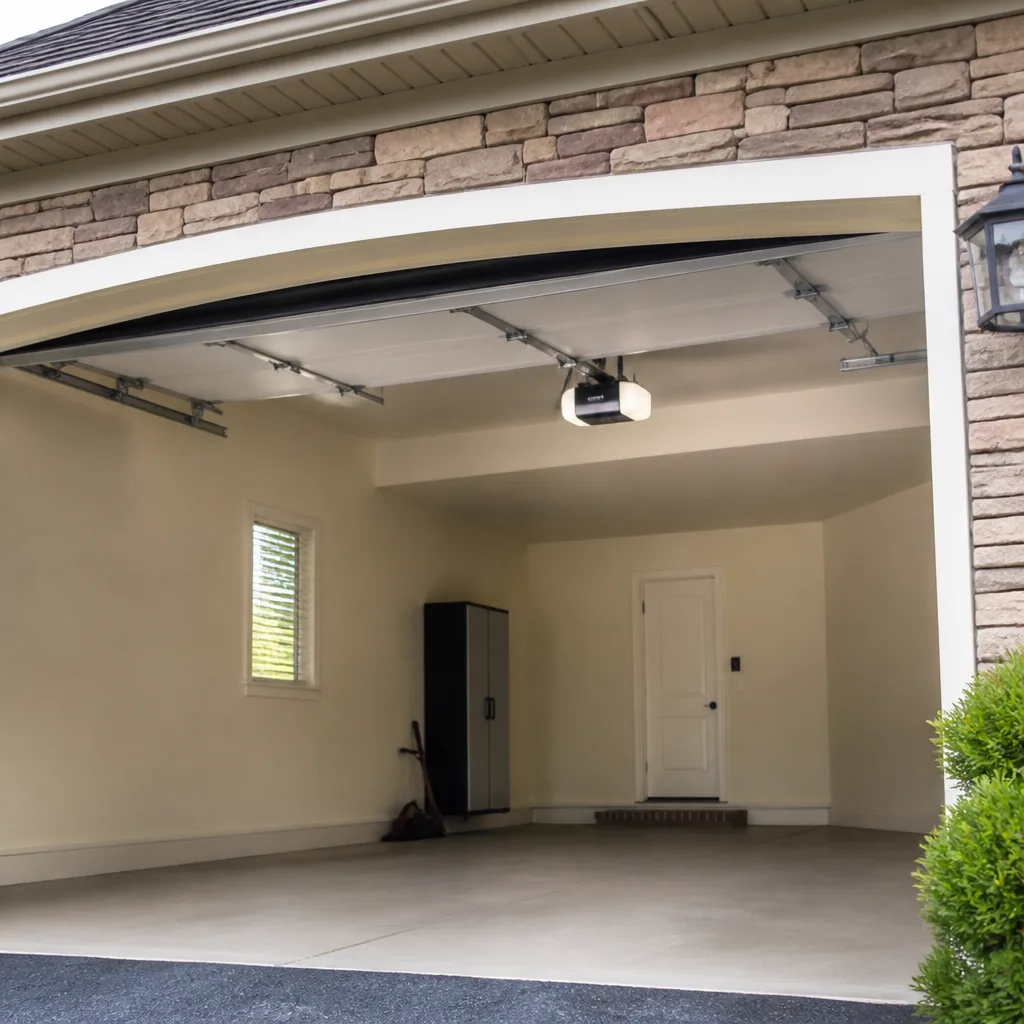 Chamberlain openers
Full 25-point door and opener safety check with every visit - springs, cables, rollers, tracks, and your LiftMaster or Chamberlain opener included
You get a price before we start. It does not change when the pro arrives.
Get your free estimateGarage Door Permits, Codes & Inspections in San Angelo, TX: What You Need to Know
Here’s the part most San Angelo homeowners get wrong: skipping the permit isn’t a shortcut, it’s a risk that can stay buried for years and then surface at the worst possible moment. When you sell a home and a buyer’s inspector finds an unpermitted garage door opener or structural replacement, it can slow your closing or reopen negotiations you thought were settled. The permit question has a real financial answer, and it’s calmer and more manageable than the internet makes it sound. This guide walks through when Texas and City of San Angelo rules actually require a permit for garage door work, what an inspector checks, which projects are exempt, and how to verify permit status before you buy or sell.
Quick Answer
In San Angelo, a full garage door replacement or any structural work around the opening (header, framing, track anchoring into modified framing) usually requires a permit from the City of San Angelo’s building department, while a like-for-like opener swap, a spring replacement, or an opener repair generally does not. Exact requirements vary by scope and by the inspector’s read of your job, so the city is the only authority that can confirm your specific project. What matters most is retaining documentation either way, because it protects you at resale and if you ever file an insurance claim on the door system.
Styles & brands we work with
- Raised-panel steel
- Carriage house
- Modern flush
- Full-view glass
- LiftMaster openers
- Chamberlain openers
Table of Contents
- Texas State Code vs. City of San Angelo Requirements
- Which Garage Door Projects Need a Permit
- Which Projects Don’t Require a Permit
- How to Check Permit Status Before You Buy or Sell
- What a City of San Angelo Inspection Actually Covers
- What Documentation to Keep
- How Unpermitted Work Affects Insurance Claims
- Permits and Garage Doors at Resale
Texas State Code vs. City of San Angelo Requirements
Texas does not adopt a single statewide building code the way some states do. Instead, each municipality chooses which model codes to adopt and enforce locally, and building departments administer them. For San Angelo homeowners, that means the practical answer to “is a permit required?” comes from the City of San Angelo, not from a state statute. The state sets the framework and requires compliance with adopted local codes, but the day-to-day permitting decisions, plan reviews, and inspections are handled at the city level.
Why does this matter for a garage door? Because the door and its framing don’t exist in a vacuum. They’re part of the building envelope and, in many homes, part of the structural system that carries the opening. When you replace a full door assembly, change the size of the opening, or modify how the header is framed, you’re touching a structural element that a code official wants documented. A simple opener swap is a mechanical replacement and is handled differently.
In our work across San Angelo, the practical distinction we see most often is this: mechanical and cosmetic work usually stays on the “no permit” side, while anything altering the structure of the opening moves to the “permit required” side. That isn’t a legal rule we invented, it’s the pattern that plays out because structural changes carry the load and the inspection interest.
If you’re unsure where your project lands, ask the city’s building department directly. Phone calls are free, and a five-minute conversation upfront is cheaper than a surprise at resale. For scope-specific questions about the mechanical work itself, that’s where our garage door repair team can help you define what’s structural and what isn’t.
Which Garage Door Projects Need a Permit
A permit is the city’s way of saying “this change was reviewed and inspected.” The projects below are the ones that commonly trigger that requirement in San Angelo. Local rules can shift, so treat this as a working guide and confirm with the city before you start.
- Full garage door replacement where the opening changes. A bigger or smaller opening, or a change in how the door fits the framing, is structural work and typically needs review.
- Header or framing modifications. If the beam over the opening is being repaired, widened, or replaced, that’s a structural change.
- Converting the space. Enclosing the garage, or converting it to living space, is a larger project and the door opening often gets reframed in the process.
- Replacing the door with a different weight or load profile. A much heavier door on an existing track and framing may require reinforcement, which pulls in the structural side.
- New construction or an addition that includes a garage. This is a full building permit scope that includes the door opening.
As a general guide: the more the project changes the opening itself, the more likely you’ll need a permit. A full replacement like-for-like where the opening stays the same often sits in a gray zone, but the city decides. When in doubt, call the building department and describe the job in plain terms: “I’m replacing the door and the opening is staying the same.”
Structural work of any kind on a garage door header is not a homeowner job. If the header is compromised or being changed, a trained professional handles it, and the permit process protects you because the work gets inspected. If a contractor offers to do header work without a permit, that’s a red flag worth walking away from.
Which Projects Don’t Require a Permit
Most of what a garage door company actually does in San Angelo doesn’t require a permit. That’s reassuring because it means the common repair you need on a Tuesday afternoon can usually be handled without paperwork. The following projects typically fall on the no-permit side.
- Like-for-like opener swap. Replacing an older opener with a comparable unit, same track, same mounting, same door weight class, is a mechanical replacement.
- Opener repair. Motor, gear, belt, chain, or circuit board replacement on an existing unit. This is repair, not construction.
- Spring replacement or torsion work. Springs, cables, drums, and rollers are wear components inside the existing system.
- Panel replacement. Replacing a damaged section on a sectional door without changing the opening or framing.
- Track, roller, and hinge repair. Mechanical fixes on the existing door and track system.
- Remote, keypad, and smart-home integration. Programming a new LiftMaster or Chamberlain remote, adding a keypad, or syncing a door to a home hub.
Notice the pattern: anything that’s a direct swap or repair inside the existing opening usually stays off the permit side. Anything that changes the opening, the framing, or the load on the structure moves to the permit side. San Angelo homes shift through hot summers and dry spells, so a small amount of settlement around garages is common, and the line between “repair the gap” and “reframe the opening” is where the permit question lives.
That said, an unpermitted scope on a “simple” repair isn’t a reason to skip inspection coordination if the work touches anything structural. If a technician ever tells you “it doesn’t matter” and starts cutting framing, stop and ask the city. We would. Opener issues are their own specialty, and we keep garage door opener repair scoped to the opener so nothing structural gets dragged in.
How to Check Permit Status Before You Buy or Sell
Buying a San Angelo home? Before you close, confirm that the garage door work on record actually was permitted, if it needed to be. This is one of the cheapest insurance policies you’ll ever take out on a purchase, and it takes a phone call or two.
- Ask the seller for documentation. A permit number, inspection card, or a copy of the closed permit is the cleanest proof. Request it in writing during the due diligence period.
- Search city records directly. The City of San Angelo’s building department maintains permit records for the property address. Call them, give the address, and ask for the permit history on the garage door and garage structure.
- Look for the inspection record. Permits that passed inspection are signed off. A permit that was pulled but never inspected is worth knowing about.
- Compare records to what’s physically there. If the door on the house looks substantially newer than the last permit on record, ask why. Sometimes it’s a no-permit-needed swap; sometimes it isn’t.
- Document the answer. Save the email, the file number, or the call notes. Future buyers will ask you the same question.
Selling? Same steps, in reverse. Pull your records before you list. If the garage door opener or door was replaced during your ownership without a permit, and the work didn’t require one, a short written explanation closes the loop. If the work did require a permit and you don’t have one, the honest path is to talk to the city about getting it inspected and permitted retroactively. That conversation is rarely as painful as the fear of it.
One nuance: most of what a garage door company records is repair history, not permit history. A spring replacement, an opener swap, a LiftMaster remote reprogramming all show up as service records, not permits. When a buyer’s inspector sees that kind of work, a service record is exactly what they want. That’s a big reason to keep service documentation even on jobs that don’t require a permit, which we cover below.
What a City of San Angelo Inspection Actually Covers
When the city inspects permitted garage door work, the focus is on structural and safety-of-the-opening questions, not on how the door finishes or what color it is. The scope varies with the project, but here’s what inspections typically look at.
- Framing and header. Whether the header beam is correctly sized, correctly supported, and correctly attached. This is the structural core of the inspection.
- Attachment and anchoring. How the track and opening hardware tie into the framing, and whether the fasteners are appropriate.
- Clearances and geometry. Whether the door operates inside the opening without structural interference.
- Alignment with the approved plan. The inspector compares what’s installed with what was submitted. Deviations get corrected before sign-off.
- Other trades if applicable. If the project included electrical work for a new opener on a different circuit, that gets reviewed within its own scope.
Notably, inspections don’t cover the cosmetic quality of installation, and they don’t test the opener’s electronics. Those are the manufacturer’s domain and the installer’s responsibility. What the inspection confirms is that the structure is sound and the installed system matches what was approved.
In our experience working San Angelo garage doors, the most common inspection correction is documentation rather than construction: the wrong model sheet submitted, an amendment not filed, or a plan detail that doesn’t match the actual door installed. Those are the kind of mismatches that get caught earlier when the door installer and the permit applicant are the same party. For full door work, our garage door installation service handles the installation itself, and coordinating with the permit applicant as needed is exactly the kind of conversation worth having before the work starts.
What Documentation to Keep
Whether or not your San Angelo garage door project requires a permit, keep a paper trail. It costs nothing and it pays off twice: once at resale and once if you ever have to answer an insurance question. Here’s the short list.
- The written quote or estimate showing scope and price.
- The invoice showing what was actually done and when.
- Permit number and inspection card if a permit was required. Screenshot the city portal record.
- Manufacturer documentation for any new opener or door, including warranty paperwork. LiftMaster and Chamberlain opener warranties have activation requirements worth reading.
- Photos of the finished installation and, if relevant, of the framing before the door went in.
- Service records for repairs (springs, cables, rollers, opener repair). These fill in the story between permits.
A simple folder, physical or digital, does the job. When a buyer’s inspector asks about the garage door, being able to hand over a coherent record answers three questions at once: what was done, when it was done, and whether it was permitted. That last one is the one that delays closings.
Springs and cables deserve a safety note here. Torsion springs and the cables that run with them are under extreme tension, and adjusting them without the right tools and training is one of the genuinely dangerous jobs in home maintenance. That work belongs to a trained professional, and the documentation you keep is part of what a professional handoff should include.
How Unpermitted Work Affects Insurance Claims
This is the part most San Angelo homeowners don’t think about until after something goes wrong: if the garage door system fails and causes property damage, an insurer is going to ask two things first. Who did the work, and was it permitted if it required a permit? The answers affect how the claim is evaluated.
Typical patterns we see discussed when this question comes up:
- No-permit-needed work with clean service records. The simplest claim path. The insurer sees a professional installation and the claim proceeds normally.
- Permit-required work without a permit. The insurer may request proof of code compliance or an inspection, and this can slow the claim or lead to a coverage dispute.
- Homeowner-installed work without documentation. The hardest to argue. If there’s no professional record and no permit where one was needed, the burden of proof falls on the homeowner.
- Permitted and inspected work. The cleanest position. The inspection is on record and the claim is straightforward.
Nobody’s insurer is going to void a claim over a remote battery, and the small stuff doesn’t matter. What matters is the big-ticket work: a full replacement, a structural modification, anything that changes how the door opening performs. That’s where a permit becomes evidence the work was done right.
We can work with your insurer on documentation for a claim, and providing records of what was serviced is part of what a good garage door company should do. If your door is currently in a state where a claim might be on the horizon, get the repair handled before it cascades. We answer 24/7.
Permits and Garage Doors at Resale
A garage door replacement is one of the more visible upgrades a San Angelo house can get, and it’s often the largest single moving assembly on the property. That makes it a natural line item in any pre-listing inspection. What buyers’ agents actually want to see is documentation, not a guarantee the door is brand new.
Three scenarios play out in San Angelo resales:
- The door was professionally installed with a permit where needed. Buyer’s agent asks for records, you produce them, transaction continues. This is the boring best case.
- The door was professionally installed without a permit because none was needed. Less documentation but still clear, especially with a service record. A quick explanation in the listing packet covers it.
- The door was installed with no record where a permit was required. This is the one that reopens negotiations. The buyer asks for a permit after closing, you don’t have one, and the conversation shifts to retroactive permitting or a price adjustment.
If you’re buying in San Angelo and the garage door looks newer than the listing says, ask the same questions in reverse. The permit history on record is a reasonable diligence item, right alongside the roof and HVAC.
Worth saying plainly: most San Angelo homeowners who skip a permit get away with it for years. Nothing happens, the door works, the house sells. Then one day it’s a problem. The permit question isn’t about rules for rules’ sake, it’s about the fact that the record exists or it doesn’t, and once work is buried in the walls it becomes expensive to untangle. Better to know before you sell.
Common Mistakes to Avoid
- Assuming all garage door work needs a permit. It doesn’t. A like-for-like opener swap or a spring replacement typically doesn’t. Over-permitting costs you time and money you don’t need to spend.
- Assuming no garage door work needs a permit. Also wrong. Anything structural, anything that changes the opening, anything involving the header, is going to be reviewed.
- Skipping documentation on “no-permit” jobs. Even a Genie opener repair deserves a service record. Future buyers and insurers want the trail.
- Taking a seller’s word on “it was permitted.” In San Angelo, verify with the city’s building department. Records trump handshakes.
- Letting a generalist touch header work. Garage door repairs are their own specialty. If the work reaches into framing, keep it with someone who understands the whole opening, not just the door.
- Ignoring an older opener on a newer door. Mismatched age and load profile on an existing system is a common source of premature wear, especially on Genie and Chamberlain units swapped onto heavier doors.
- Reprogramming or reconfiguring without a record. A LiftMaster opener reconfigured for a new remote, or a Chamberlain unit synced to a new smart-home hub, should still be documented in your service file.
See the difference
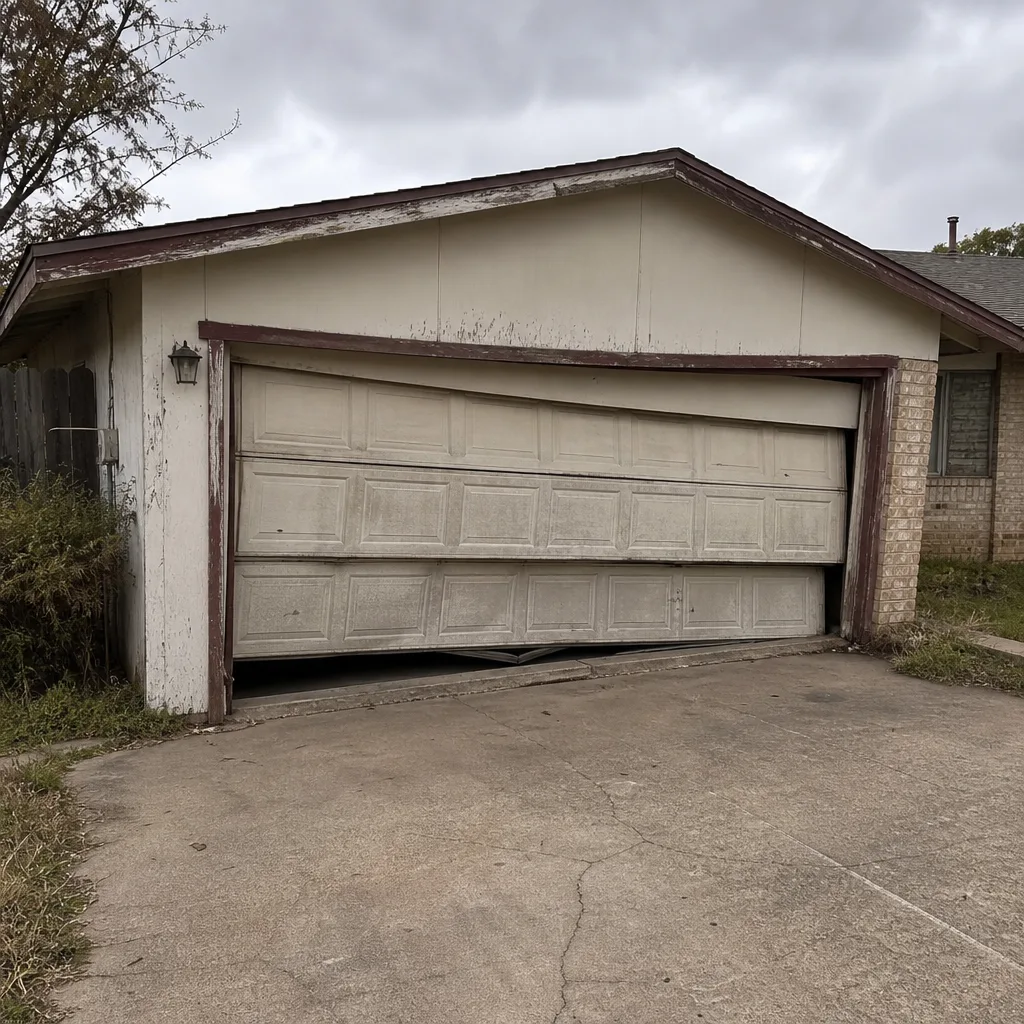 Before
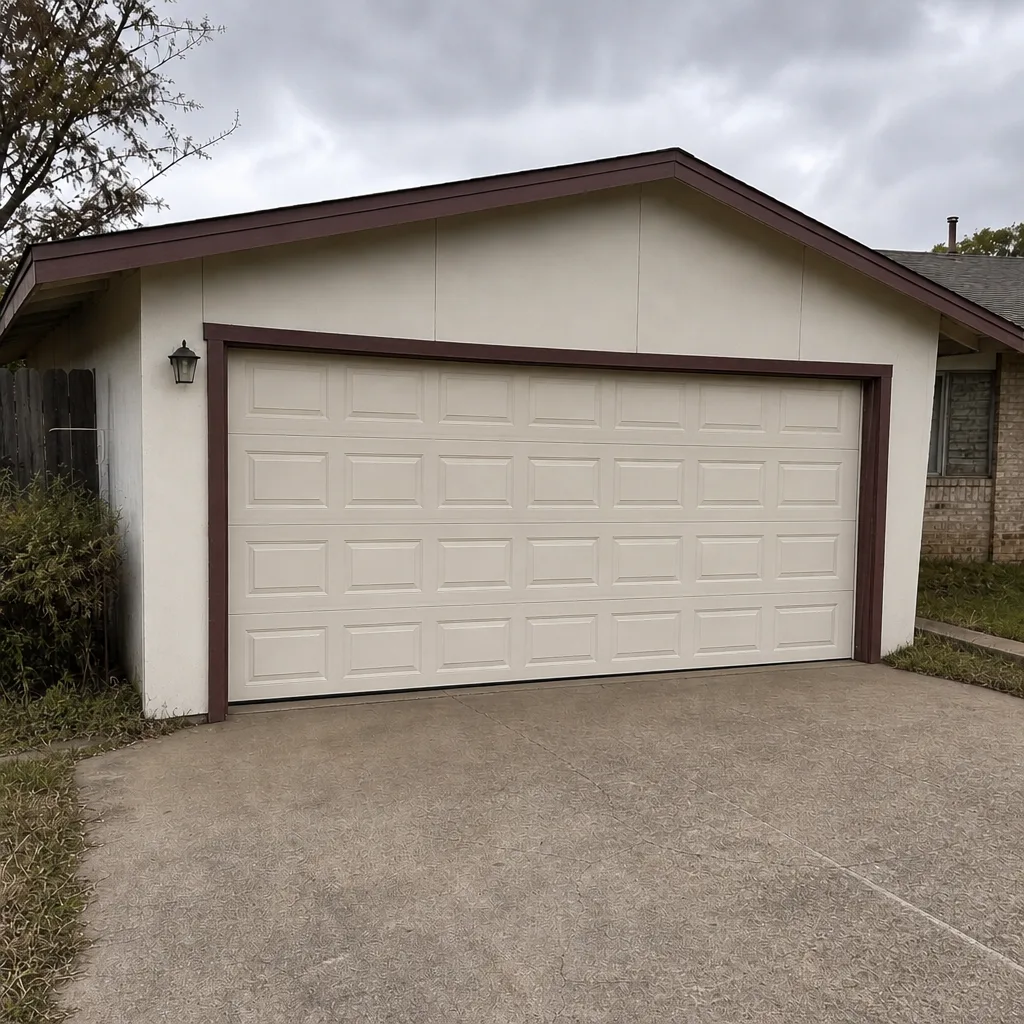 After
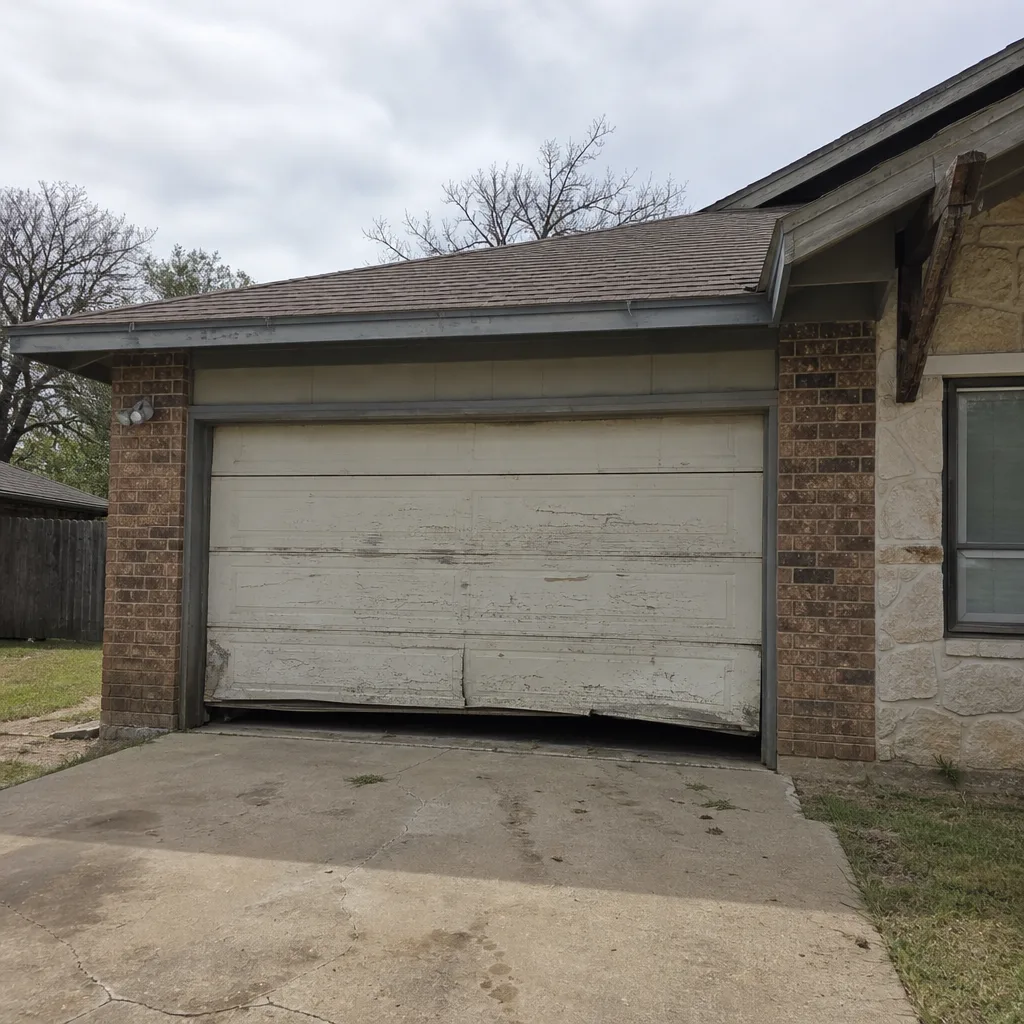 Before
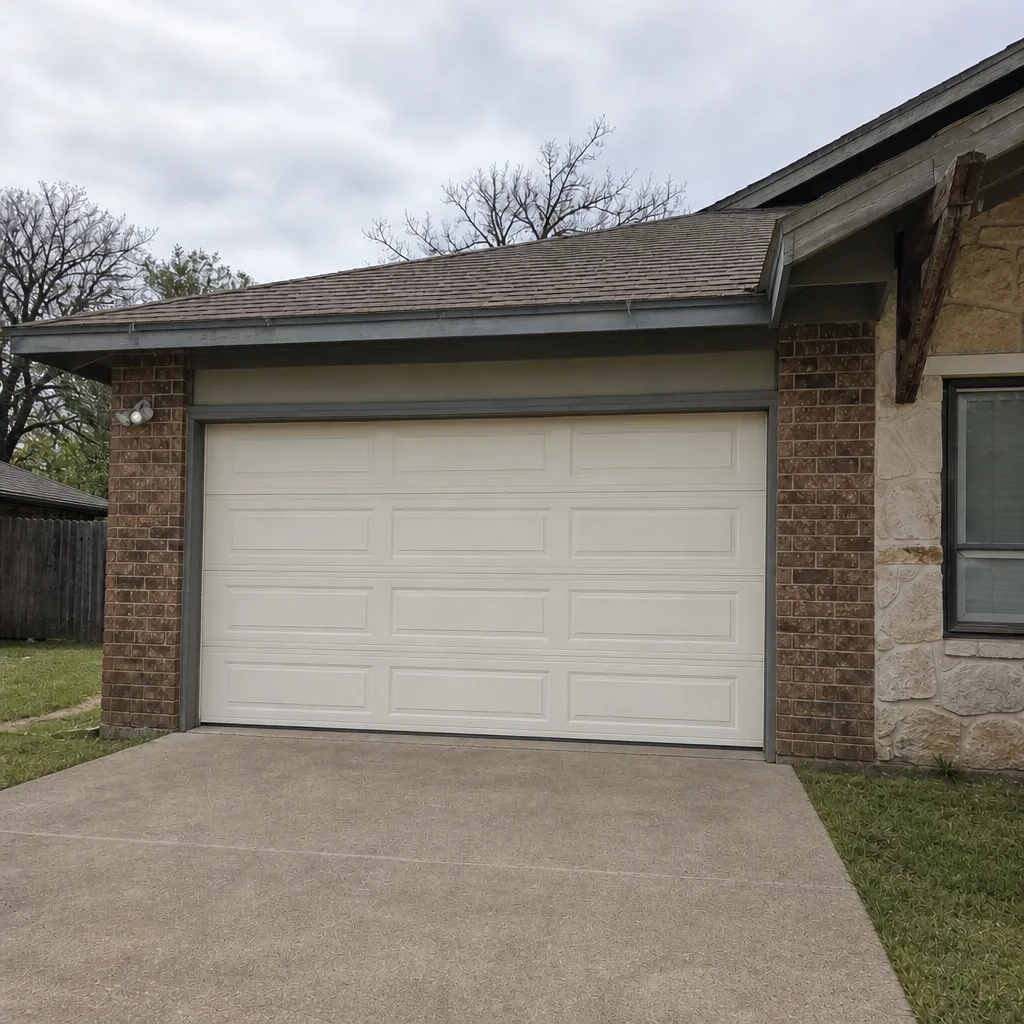 After
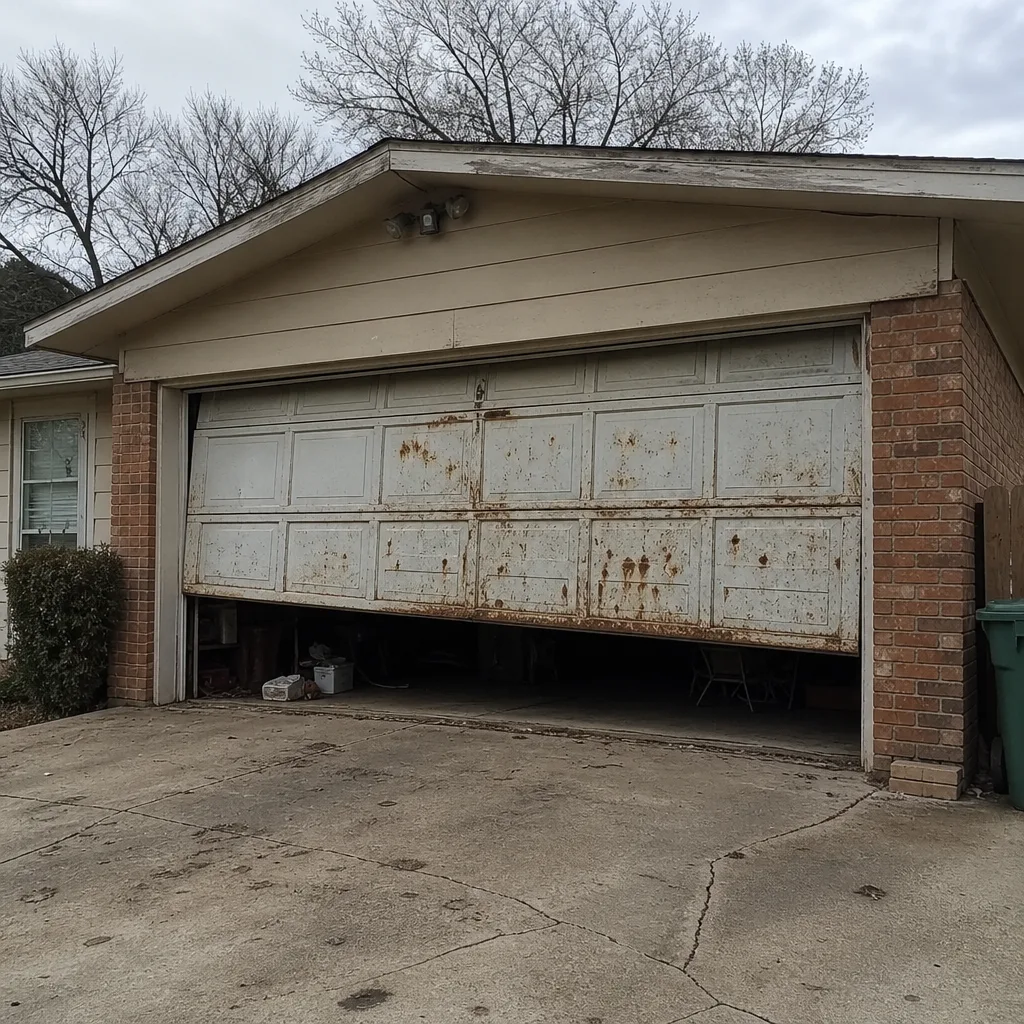 Before
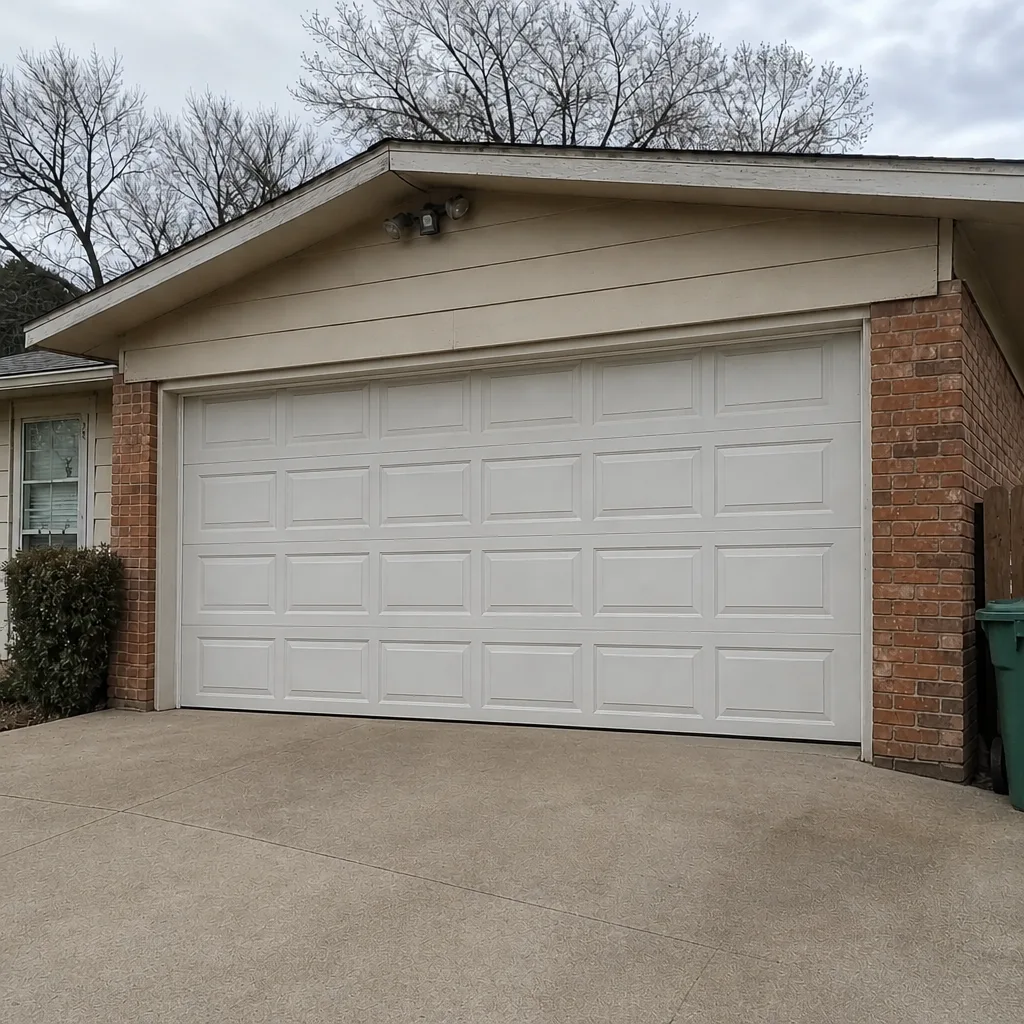 After
When to Call a Professional
Some garage door work is reasonable for a homeowner to handle, and some isn’t. Programming a new remote, changing a battery, wiping down panels: fine. Anything involving springs, cables, torsion hardware, the track under load, or the framing around the opening belongs to a trained professional. The same is true for any job where the door has become unreliable at the worst moment, or where a recent opener upgrade hasn’t matched up with how the door actually moves.
For San Angelo homeowners, our Ramsey Garage Door Repair team handles repair, opener repair, and installation on the brand you already have, whether that’s a Raynor, a LiftMaster, a Chamberlain, or any of the eight brands we service. Ramsey Garage Door Repair offers free estimates in San Angelo. Call (833) 486-5004. We answer 24/7. Fast dispatch from 7am to 7pm, Sunday through Friday.
Frequently Asked Questions
It depends on the scope. A full replacement where the opening stays the same may or may not require a permit, while any change to the opening (bigger, smaller, structural) typically does. The City of San Angelo’s building department is the only authority that can confirm your specific project, so a quick call before you book installation is worth the five minutes. For an estimate once the scope is clear, call (833) 486-5004.
Usually no. Replacing an opener with a comparable unit on the same track and mounting is treated as mechanical replacement, not construction. If the project involves electrical changes on a new circuit or affects the door’s structural load, ask the city directly. Opener issues are their own specialty, and a qualified technician can tell you quickly what’s mechanical versus structural. Call (833) 486-5004 for a free estimate.
Contact the City of San Angelo building department with the property address and ask for the permit history on the garage door and garage structure. Cross-check the record against the actual door and opener to confirm the age and model match the paperwork. If you’re buying, put the request in writing during due diligence so it’s in the file. Need a professional inspection of the door itself? Call (833) 486-5004.
It typically covers the structural side of the opening: the header beam, framing, anchoring and attachment, clearance and geometry, and whether the installed work matches the approved plan. It does not evaluate the cosmetic quality of installation or the opener’s electronics. Retain the inspection card when it’s issued, since it’s the cleanest proof of code compliance you can have at resale. For repair work that supports a permit, call (833) 486-5004.
Yes, retroactive permitting is usually possible. The city can inspect existing work and issue a permit after the fact if the installation meets code. It’s rarely as difficult as homeowners fear, and it’s much easier than discovering the issue at resale. If the inspection finds deficiencies, a trained technician can bring the door or opener into compliance. Call (833) 486-5004 for a free estimate.
It can. If the door system fails and causes property damage, the insurer may ask for proof the work was permitted where required, and a missing permit can complicate the claim. Clean service records on repair work and a permit card on structural work are the best protection. We can work with your insurer on documentation. Call (833) 486-5004 if a repair needs to be handled before a claim window closes.
The Bottom Line
Most San Angelo garage door work doesn’t need a permit, and the work that does is very specific: structural replacements, framing, and opening changes. Skip the permit on those and nothing happens for a while, then it can reopen a closing or complicate a claim. The right answer is calm and cheap to follow: know which project is which, verify permit history with the City of San Angelo before you buy or sell, and keep clean documentation whether or not a permit was required. If you’re not sure where your project lands, call (833) 486-5004. We answer 24/7. Fast dispatch from 7am to 7pm, Sunday through Friday. Estimates are free, and we’ll tell you straight what’s mechanical, what’s structural, and what the next step is.
Related Reading
If you’re working through a garage door decision in San Angelo, the closest answers live in our San Angelo service pages, where you’ll find repair, opener, and installation scopes explained in plain terms.
Written by the team at Ramsey Garage Door Repair.